2024 – The year Local Chicken comes mainstream

We have been key advocates for local chicken over the years, and in 2022 we made a pivot from commercial layers, into breeding and raising local birds, based on parent stock from a reputable breeder.

Strategy for Maximizing Outputs

The key to maximizing the outputs for local chicken is based on:

  • Improved nutrition – rather than feed the birds on leftovers, plain maize bran leverage concentrate based feeds like commercial hybrids (while managing costs)
  • Proactive care and treatment – vaccination (following the same schedules as commercial hybrids), regular deworming and vitamin boosts
  • Management – clean and airy rooms, dry litter, clean water and feeding utensils, birds per square meter, number of birds per drinker and feeder
  • Dark laying boxes for hens for eggs
  • Debeaking of hens so that they do not eat their eggs, additional trimming of claws for cocks so that they do not tear the backs of the hens for breeding stock

Market Opportunity

This is always a key question to adoption, and there are two paths:

  1. Home Farming – this approach is for anywhere between 10 to 50 birds, a great place for those who are new to the poultry business. The focus of this approach is:
    • Improve household nutrition – when the hens start laying, chicken for meals (cocks are best for this), as a starting point for households
    • Increase household incomes – once the family has sufficient nutrition, the extra eggs can be sold off, the hens/cocks can be sold off not just for meat but for breeding too
    • Provide training for children home – to understand how to raise chicken, responsibilities, maintaining clean living spaces for them, repairs and creativity in solving common problems
  2. Commerical Purposes – the dual purpose birds are competitive with commercial hybrids if you target different aspects
    • Cocks/hens do not grow as heavy as kuroilers but are preferred for traditional ceremonies, gifts, even slaughter during Eid and for discerning customers
    • Hens do not lay as much as commercial hybrids, only up to 75-85% depending on management, however their offlaying prices are almost 100% higher. Adding green to get yellow yolk eggs provides a premium over the numbers that hybrids produce making breaking even much easier for smaller numbers

Overall the market opportunity is with premium pricing for the birds, eggs and their meat, rather than going head to head with the hybrids broilers and layers, like the marketing books say “Change the rules of the game so that you can compete”

Where do I begin?

The most important question, depends on where you are, however our recommendation is to always start small to what you can manage and afford

  1. Home farming – 10 to 30 birds which helps balance the amount of investment and effort to the outputs
  2. Commerical farming – 50 to 100 birds, for a beginner, and more depending on your experience however targeting a specific market is very important to get clarity on the birds you will select to invest in

How can we help you get started?

We breed and sell all ages of birds, you can select the gender from 4 to 6 weeks when anatomical features become more prominet

  1. Day old chicks – the lowest cost starting point, best if you have experience, capacity and resources for brooding
  2. 4 week old birds – these are the sweet spot for many farmers, the birds are just out of the brooder, not needing additional heat in the evenings
  3. 8 week birds – after fowl typhoid vaccination
  4. 16 weeks – adult birds which are usually adversely affected by any environment changes, thus gives sufficient time for recovery before laying commences from 20 weeks

Resources

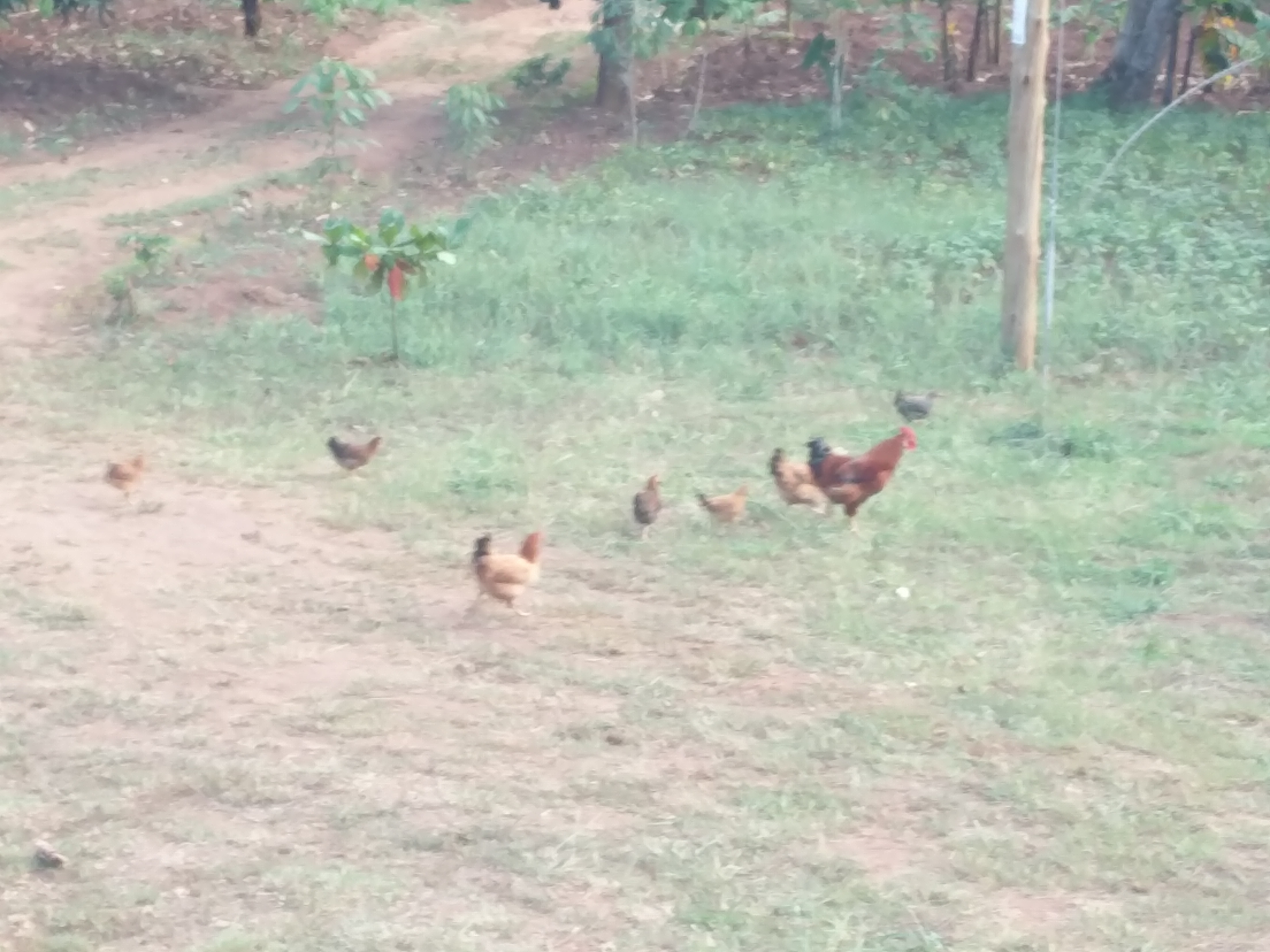
What do they look like?

An Alternate Business Model for Small Holder Farmers – Free Range Indeginous Chicken

The commercial poultry business is now the rage with the increased demand for eggs and broilers, however it is fraught with peril due to the flock management needs, unstable prices of feed ingredients, weather (oh yes ask any farmer what the effects of the heat wave have been), feed formulation knowledge and not forgetting disease management due to the high numbers maintained in closed spaces. This business model requires specialized breeds whose genes have been formulated to grow fast (meat), have high productivity (layers) if managed well. This raises the capital and operational costs, which many cannot afford.

Based on our experience with commerical poulty, we would like to share an alternate business model, and our current progress with it, as a way of stimulating home-based agribusinesses. These are local birds, indeginous yes, which many have shunned over the years for kuroiler breeds (unfortunately we are not a big fan) so went back to our roots.

What are the major challenges with indeginous breeds that have been put forward:

  1. Diseases wipe them out
  2. Low productivity (eggs) and low weights (meat)
  3. Long growth times to achieve milestones
  4. Predators – rats, dogs and “humans”

In our experience, the business model and thinking is that the business model is what is wrong, leading to mismatched expectations. The commercial approach fot indeginous birds is not selling bulk in low value, but low numberrs of high quality and value.

What is our approach:

  1. The value of the local flock cannot be realized quickly, and has to be built over time so that it it self sustaining
  2. Leverage the learnings from the commerical poultry to fix some of the issues such as:
    • Disease management – follow the vaccination schedules for the commercial breeds to build immunity and reduce infection
    • Low productivity – supplement the diet with 30-50% commercial feeds to fix any deficiencies
    • Local additivies – leverage local plants such as aloevera, pupmkins, yams,  tree leaves (will provide names later), millet, sorghum, popcorn to supplement the diets
  3. Infrastructure:
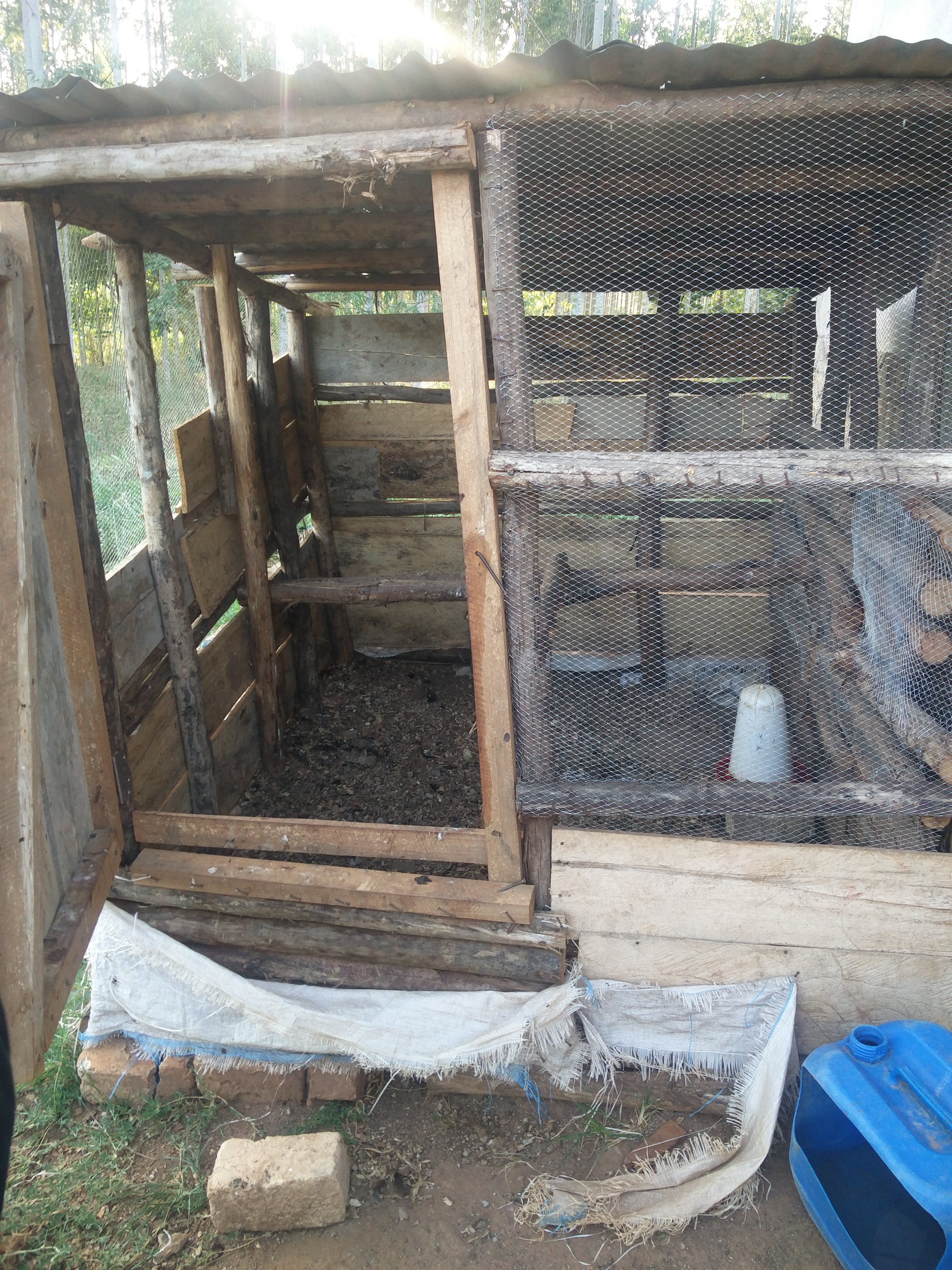
    • Housing – ensure adequate space for the birds to spend the night away from predators such as dogs, and rats (yes we lost 10 1-month chicks)
    • Keep the place clean – oh yes this requires investment, but reduces on disease outbreaks
    • Feeders and drinkers – for local birds, are you kidding me, they can scavenge! Oh yes, look after them well and they will multiply
    • Free range area – demarkate an area for the birds to move around looking for food and scratch around, otherwise they collect diseases as they roam and also are prey for predators. We have not gotten to this stage yet but are getting there as the numbers grow
  4. How do we intend make money through the sale of:
    • Breeding stock – pullets and cocks since their lineage can be traced
    • Cocks for traditional ceremonies like kwanjulas, gifts to parents
    • Yellow yolk organic eggs at a premium
    • Pullets and cocks for food – very tasty for special occasions
  5. What do the numbers look like? This is a summary of the numbers in a way that makes sense on growth. All the chicks were brooded by their mothers
Month Additions Losses Notes
October 2018 3 Initial stock – 1 Cock and 2 pullets
November 2018 6 pullets,

18 chicks

1 pullet,

9 chicks

Purchase of pullets.

Theft of a mother and her 9 babies,

December 2018 10 chicks 8 chicks Predator birds and wild animals
January 2019 15 chicks, 6 pullets 3 chicks A purchase of pullets from upcountry travels
February 2019 10 chicks 3 chicks Predator birds and wild animals
March 2019 4 chicks 8 chicks Rats killed the chicks so moved the mother to the main house
April 2019 4 chicks 8 pullets Had lots of dogs around the house during mating season so ate the birds in the mornings

As of today, 28 April 2019, we have 2 hens brooding 18 eggs, and a laying hen with about 10 eggs – they tend to start brooding at about 10 – 12 eggs, that seems to be the natural cycle.

2019-04-06 18.24.04

Happily walking around with the main cock

2019-04-06 17.59.51

Chicken house from locally made materials and frugal designs

2019-04-06 17.59.11

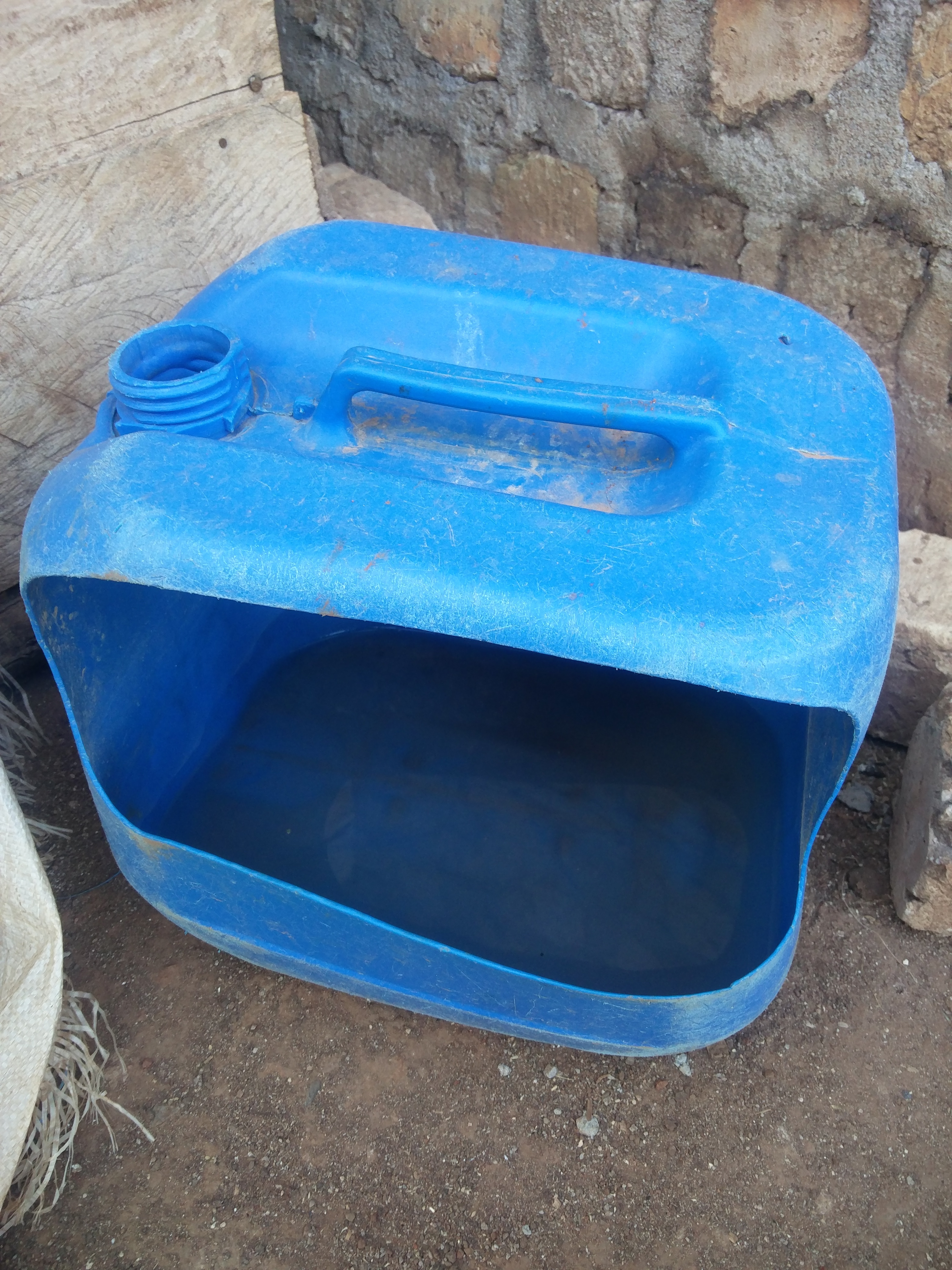
Drinker from jerrycan leveraged from commercial deep litter operations

2019-04-06 17.59.17

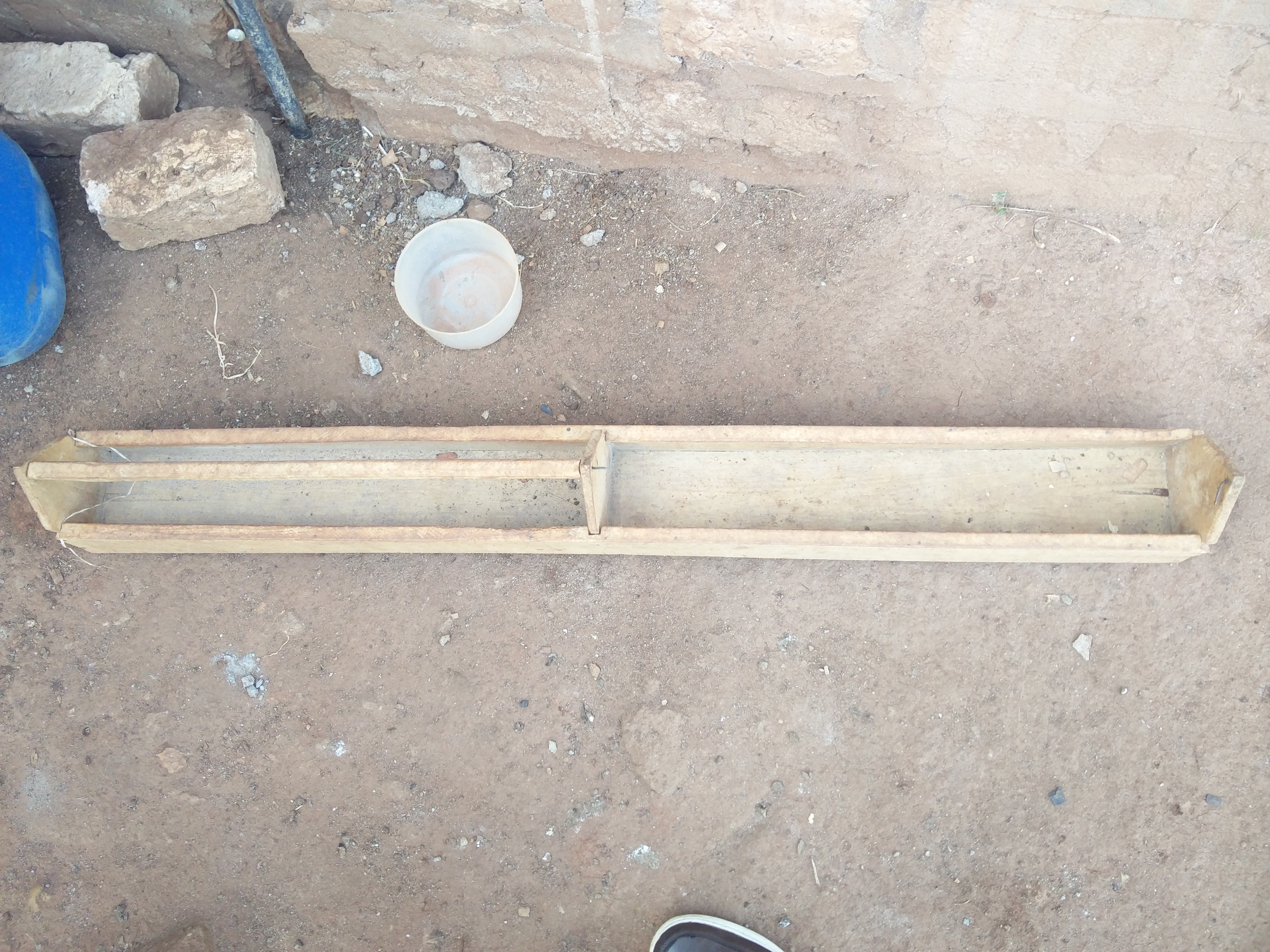
Locally made feeder usually used in deep litter

This Twitter thread covers similar ground for the construction of the house and how the flock is proceeding https://twitter.com/kungufarm/status/1080144748252418048?s=20