Poultry Drugs and Medication

Can you offer technical advice on the use of those drugs in poultry? A question that came into my Inbox a couple of days ago

The answer below was given by a user “Chicken Doctor Himself” in a Poultry Whatsapp group

Ascalex is a dewormer composed of piperazine citrate. It is always used on evidence of worms or following the periodic routine of 30days for highly exposed chicken or 60 to 90 days in non exposed ones. Follow vets guidance and always do not follow it with a dewormer in the same class for better results attacking a different type of parasite keeping other factors costant .

Amilyte is a powdered in-water supplement with vitamins, amino acids and electrolytes all in one pack. It helps manage any kinds of stress such as treatment, after vaccinations, deworming, debeaking, change of feed etc

Doxin is a mixed antibiotic composed of doxycycline and tyrosin used in treatment of respiratory diseases but should be used on vets prescription. Remember flu is not a disease but a symptom so never rush to treat it.

Glucovit is composed of mild vitamin concentrations and glucose majorly used in early stages of birds growth or when energy levels of the birds are dowm due to different reasons .

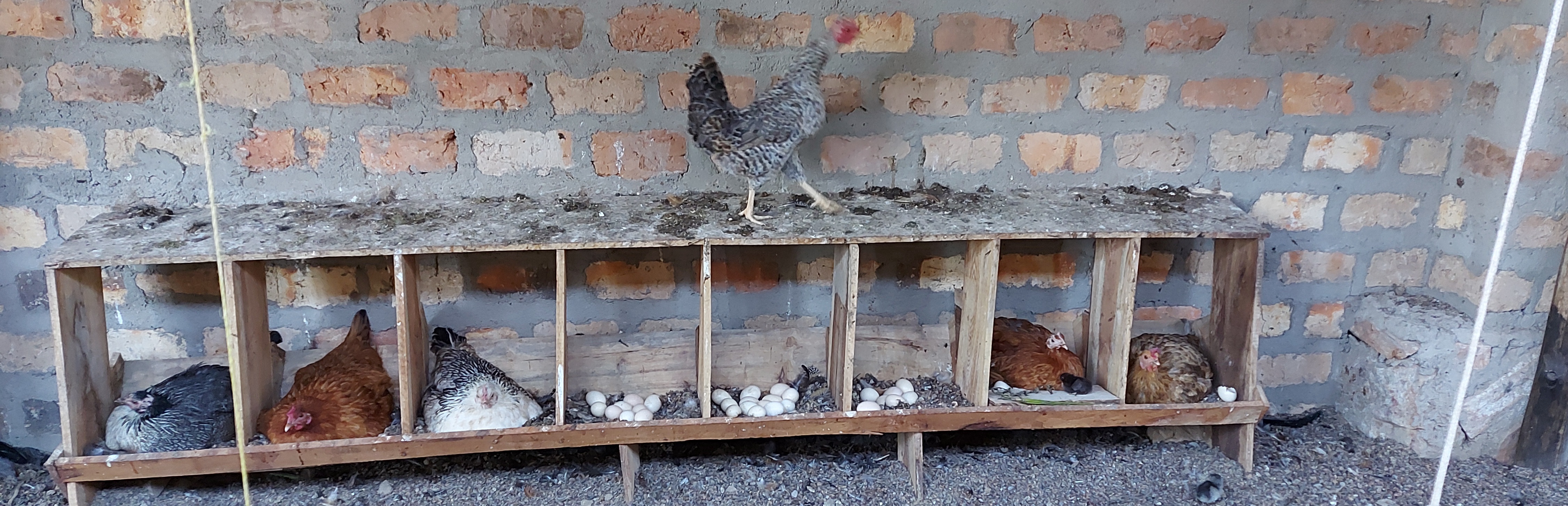
Poultry Laying Box Design

A common challenge with poultry especially layers is the design of the design and use of laying boxes. I will be sharing the design of boxes that we have used and the reasons for the design choices, including enhancements we have made in newer iterations

The design considerations are:

  1. The slanting top about 45 degrees stops the birds from spending time at the top of the laying box, and soiling it (the last image below illustrates this adequately)
  2. The laying box has to be placed close to the wall so that the birds do not climb on the edge
  3. The laying boxes are 1 foot wide to fit a laying bird, or even two especially during peak laying times from 9am to 11am
  4. The laying boxes are also about 1.5′ high so that there is sufficient clearing for the birds and cleaning is a breeze
  5. The floor is slanted at a small angle so that the eggs roll to the wall – it should not be a large angle to break the eggs
  6. Coffee husk shavings can also be added on the floor to keep the eggs from cracking when laid, and to provide comfort in cases where the hens are allowed to incubate the eggs
  7. At the front is a wood barrier to protect birds inside from getting their behinds pecked by those on the ground (this is common as the birds turn to position themselves to lay) and protects the eggs from being eaten
  8. The height of the laying box is about 15cm (0.5′) so that a bird cannot fit below but the birds can get in easily

An Alternate Business Model for Small Holder Farmers – Free Range Indeginous Chicken

The commercial poultry business is now the rage with the increased demand for eggs and broilers, however it is fraught with peril due to the flock management needs, unstable prices of feed ingredients, weather (oh yes ask any farmer what the effects of the heat wave have been), feed formulation knowledge and not forgetting disease management due to the high numbers maintained in closed spaces. This business model requires specialized breeds whose genes have been formulated to grow fast (meat), have high productivity (layers) if managed well. This raises the capital and operational costs, which many cannot afford.

Based on our experience with commerical poulty, we would like to share an alternate business model, and our current progress with it, as a way of stimulating home-based agribusinesses. These are local birds, indeginous yes, which many have shunned over the years for kuroiler breeds (unfortunately we are not a big fan) so went back to our roots.

What are the major challenges with indeginous breeds that have been put forward:

  1. Diseases wipe them out
  2. Low productivity (eggs) and low weights (meat)
  3. Long growth times to achieve milestones
  4. Predators – rats, dogs and “humans”

In our experience, the business model and thinking is that the business model is what is wrong, leading to mismatched expectations. The commercial approach fot indeginous birds is not selling bulk in low value, but low numberrs of high quality and value.

What is our approach:

  1. The value of the local flock cannot be realized quickly, and has to be built over time so that it it self sustaining
  2. Leverage the learnings from the commerical poultry to fix some of the issues such as:
    • Disease management – follow the vaccination schedules for the commercial breeds to build immunity and reduce infection
    • Low productivity – supplement the diet with 30-50% commercial feeds to fix any deficiencies
    • Local additivies – leverage local plants such as aloevera, pupmkins, yams,  tree leaves (will provide names later), millet, sorghum, popcorn to supplement the diets
  3. Infrastructure:
    • Housing – ensure adequate space for the birds to spend the night away from predators such as dogs, and rats (yes we lost 10 1-month chicks)
    • Keep the place clean – oh yes this requires investment, but reduces on disease outbreaks
    • Feeders and drinkers – for local birds, are you kidding me, they can scavenge! Oh yes, look after them well and they will multiply
    • Free range area – demarkate an area for the birds to move around looking for food and scratch around, otherwise they collect diseases as they roam and also are prey for predators. We have not gotten to this stage yet but are getting there as the numbers grow
  4. How do we intend make money through the sale of:
    • Breeding stock – pullets and cocks since their lineage can be traced
    • Cocks for traditional ceremonies like kwanjulas, gifts to parents
    • Yellow yolk organic eggs at a premium
    • Pullets and cocks for food – very tasty for special occasions
  5. What do the numbers look like? This is a summary of the numbers in a way that makes sense on growth. All the chicks were brooded by their mothers
Month Additions Losses Notes
October 2018 3 Initial stock – 1 Cock and 2 pullets
November 2018 6 pullets,

18 chicks

1 pullet,

9 chicks

Purchase of pullets.

Theft of a mother and her 9 babies,

December 2018 10 chicks 8 chicks Predator birds and wild animals
January 2019 15 chicks, 6 pullets 3 chicks A purchase of pullets from upcountry travels
February 2019 10 chicks 3 chicks Predator birds and wild animals
March 2019 4 chicks 8 chicks Rats killed the chicks so moved the mother to the main house
April 2019 4 chicks 8 pullets Had lots of dogs around the house during mating season so ate the birds in the mornings

As of today, 28 April 2019, we have 2 hens brooding 18 eggs, and a laying hen with about 10 eggs – they tend to start brooding at about 10 – 12 eggs, that seems to be the natural cycle.
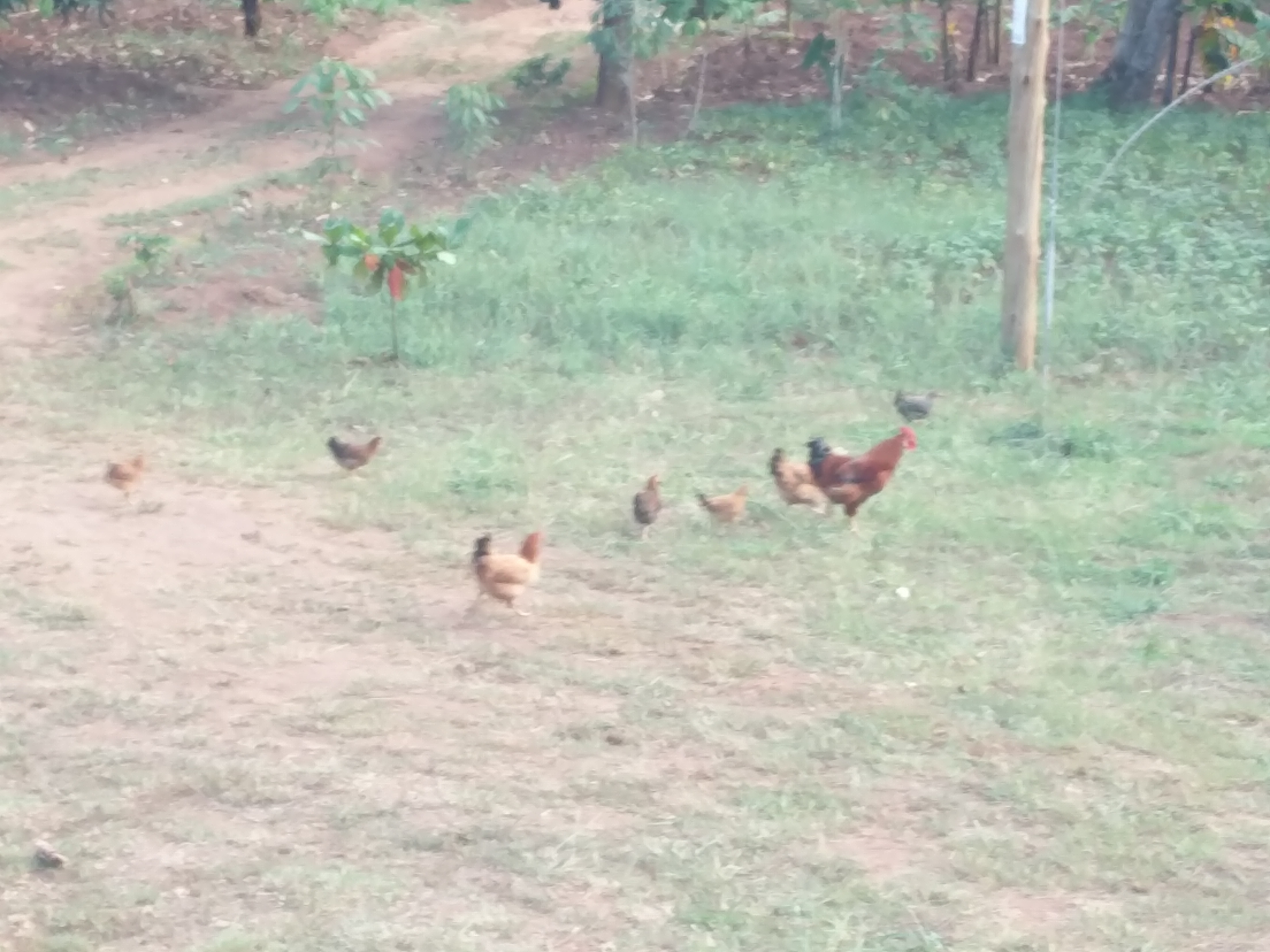
2019-04-06 18.24.04

Happily walking around with the main cock
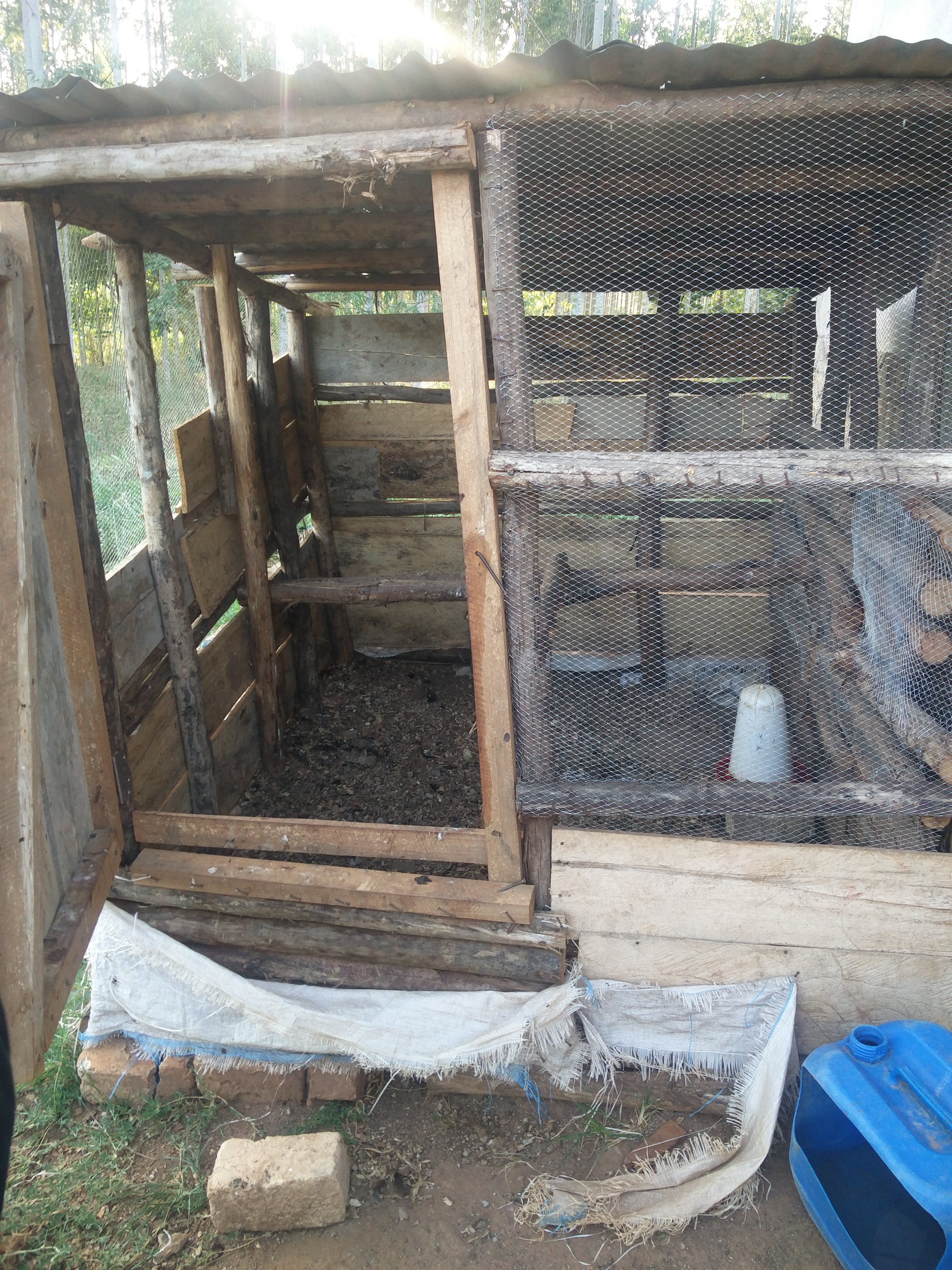
2019-04-06 17.59.51

Chicken house from locally made materials and frugal designs
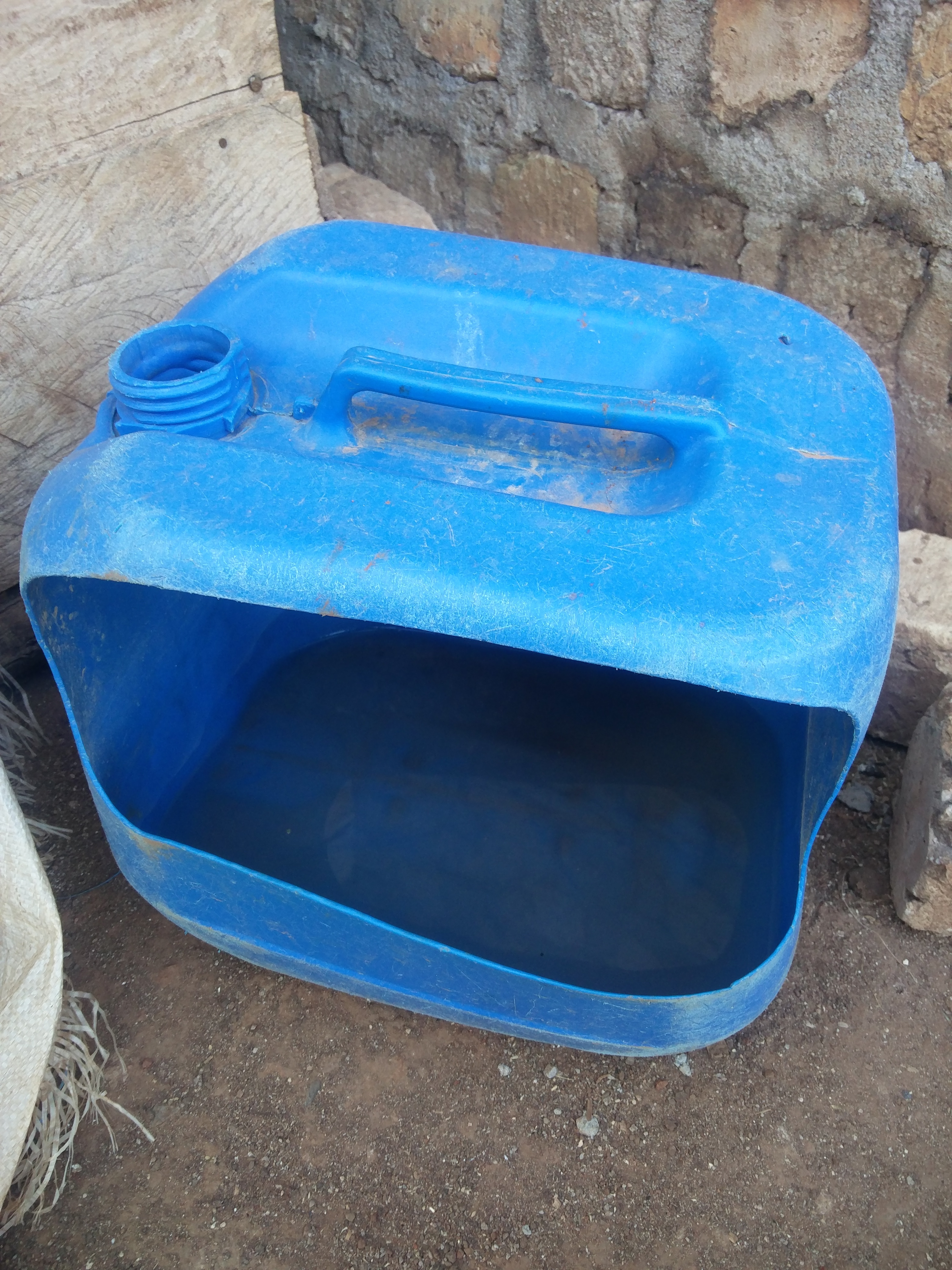
2019-04-06 17.59.11

Drinker from jerrycan leveraged from commercial deep litter operations
2019-04-06 17.59.17

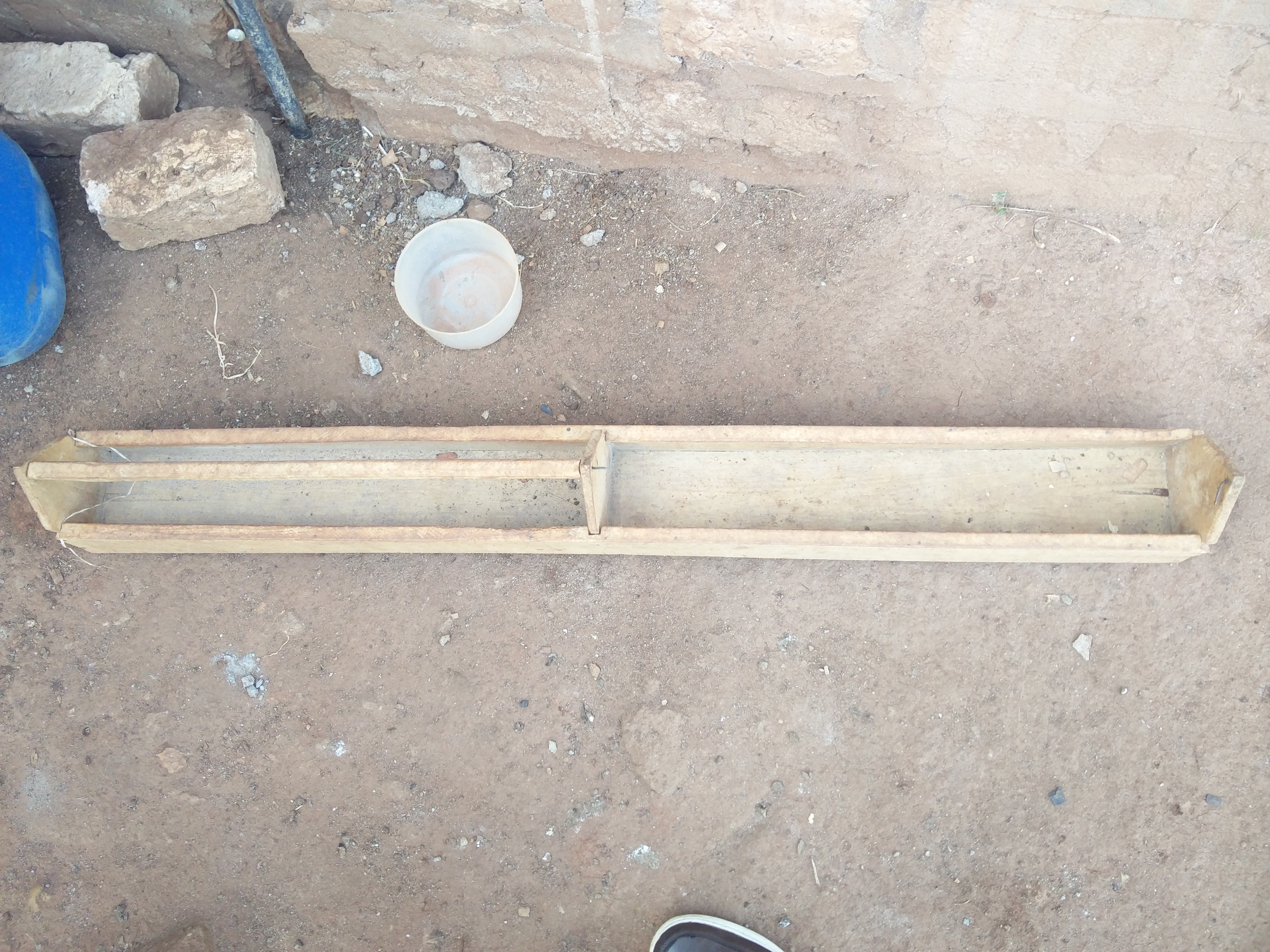
Locally made feeder usually used in deep litter

This Twitter thread covers similar ground for the construction of the house and how the flock is proceeding https://twitter.com/kungufarm/status/1080144748252418048?s=20

Brooder Week 5 – Learnings and Look Ahead

The chicks are now 5 weeks in the brooder, with a mortality rate of 0.4%, weights less than the management guide (which are based on environmentally controlled conditions) but within range and closing fast, weight uniformity distribution of over 70% and improving.

This post is about lessons learnt in this flock and what we have done differently:

  1. Hired brooding services from a poultry focused service provider who provided a worker for the brooder and a vet who visited regularly: 3x per week in the first two weeks, 2x a week later, currently at 1x per week
  2. The vet provided also supervised and carried out vaccinations as per the recommended schedule
  3. Focused on building immunity in the first 3 weeks, now growth and development of the pullets
  4. Weighed the birds to provide benchmarks for the growth, but only used the data for tracking so did not adjust diets to bring up the weights
  5. Adjusted the chick and duck mash formula, to provide the necessary energy levels and texture for easy feeding.
  6. Provided recommended levels of feeders and drinkers to reduce bullying and contention for deed
  7. Bio-security improvement: started leveraging powdered construction lime for initial disinfection and at entrance to the brooder, disinfectant spraying every week on the premises and proactively spraying inside the brooder with a high mist disinfectant (selected not to have any major side effects for the birds)
  8. Collecting data on feed and water consumption on a day-to-day to better understand the changing patterns – increase in feed consumption is at 4g per bird per week

As always a selection of shots from brooder:

image

image

image

image

Q and A: Newcastle Vaccines – Thermal Stable or Cold Version

Question: I have been using the “cold” Newcastle vaccine for my birds, however I am thinking of moving to the thermal stable version. Being paranoid knowing that it is important to stay consistent for a flock – does it make sense for me to move at this time to the thermal stable version

Answer by Dr. David Omoding of Quality Chemicals (U) Ltd

Your fears and apprehension are understandable. However, be assured that moving to the thermal stable version would be the right move for the reasons below:

  1. Vaccine failure is a major issue for any “cold” (thermolabile) vaccine from point of manufacture, thru transit, to storage at the pharmacy premises, transportation to your premises etc. Wipe that uncertainty away by using a thermostable vaccine.
  2. The Thermostable strain is called I2 and it offers quicker, stronger, longer lasting immunity to poultry as compared to the cold La Sota, Clone, R2 strains. It might be bit more expensive but surely worth every penny. More can be found from http://www.fao.org/docrep/005/ac802e/ac802e04.htm.

In extensive systems (free range), one application is sufficient for the life of the bird including local birds while In intensive systems we advise one application every 3 months.