2020 Plans

As the rest of the world is making New Year resolutions we have solidified our 2020 plans

  1. Grow current flock from 2,200 to 3,200 which is our installed capacity. This will enable us to leverage our 6 year learning journey and start turning it into profit
  2. Start livestock farming – this is part of our long term strategy of vertical integration and multiple revenue stream. The plan is
    • The livestock will be zero grazed and growing the numbers organically
    • Start goats herding from the does that we own but do not have a home. Construction of a goat pen
    • Diary farming – start with a heifer mid year as we figure out the feeding needs and processes
    • Immediately we shall get access to dung and urine which will improve the yields of our banana plantations
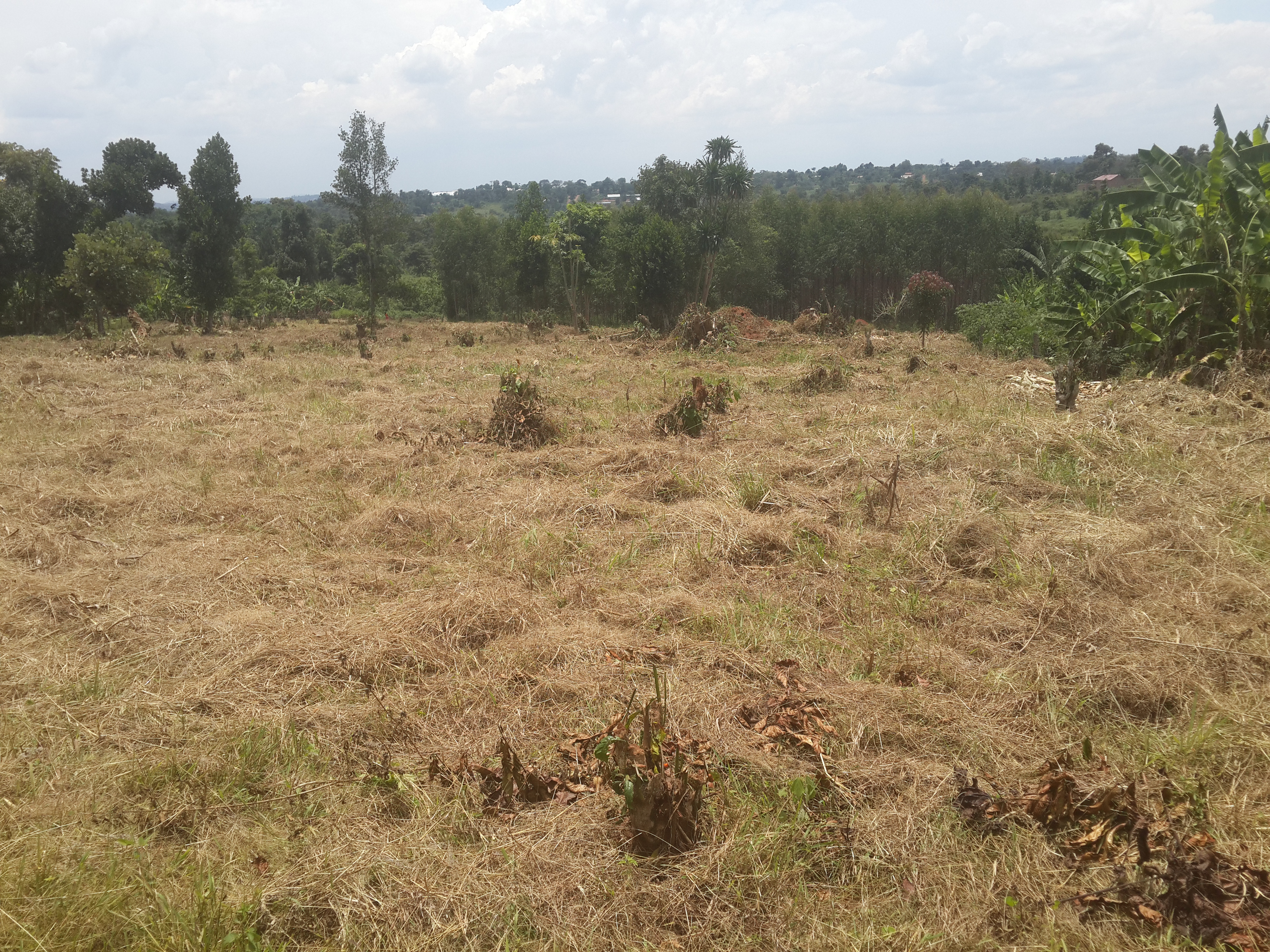
  3. One of our plantations seems to have a persistent infestation of Digitaria scalarum Chiov. (gramineae) commonly known as lumbugu, and despite all the hard work the soil quality too does not seem to be improving. So we are going to cut this down around the March rains, and plant sweet potatoes, followed by a maize & beans combo to provide alternate soil usage. This will provide a needed 18 month fallow period to better yields post 2021. The plan is to use the biomaterials – stems & leaves  mulch for the one which will be retained to give the necessary soil protection.

Looking forward to a busy 2020

Mulching lusuku 

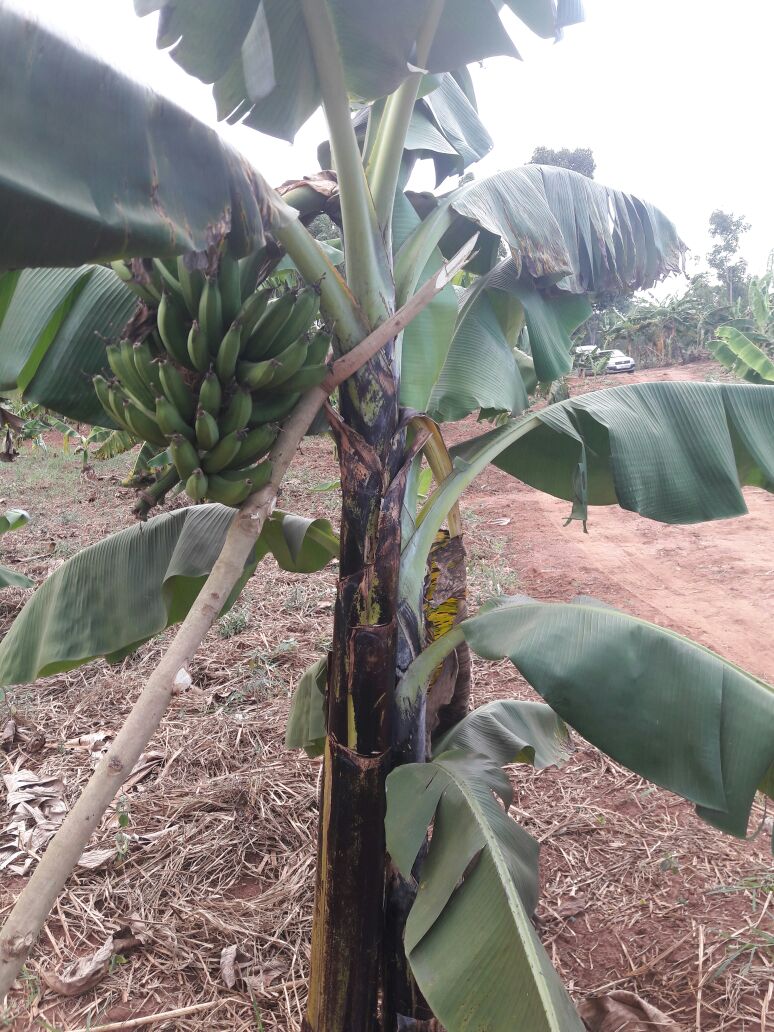
Some of the key challenges for a lusuku are weed manageent, maintaining the fertility of the soils plus dealing with droughts especially with the unpredictable rains currently being experienced around the country.

Mulching provides a natural and organic measure of combatting all the challenges above but with its own constraint of finding suitable plant material in appreciable quantities to provide an adequate layer. Our drive to focus on staying away from chemical fertilizers and herbicides/pesticides is a further driver for our push to mulching.

What we have done:

  1. Provided 3 feet separation from the banana stools to the mulch
  2. Addition of ash (from regular charcoal based cooking) in the space without mulch to control nematodes and other pests
  3. Cutting off the dried out leaves to provide additional plant material for the mulch

Just before the next rains in March 2017, we shall look to add cattle and goat dung for manure.

Spacing for mulch around stool

Spacing for mulch around stool

Mulch view 1

Mulch view 1

Mulch view 2

Mulch view 2

Mulch view 3

Mulch view 3

Mulch view 4

Mulch view 4

Banana Plantation (Lusuku) Plans

The November rains (musenene) are here, so it is time for us to put into action our plan to add a 1.3 acre plantation of bananas as part of our food security metric. After discussion with a J. B. Wasswa (@jbkwasswa ) we have narrowed on having local varieties which are:

– Mabidde for making banana juice and beer (landrace variety)
– Gonja
– Sukari Ndizi – sweet or apple bananas
– Bogoya (Gros Michel) which are larger and less sweet than the ndizi
– Nakitembe – the indigenous traditional Ganda cooking variety of the landrace class
– Kibuzi
– Mpologoma

The land is gently sloping, about 30% incline so will include terraces to stop the downward flow of water, and which shall also be used as manure stores. For manure, we are targeting to use cow dung that has been through a biogas digester, mixed at about 10kg per square hole of dimensions 1′ wide x 1’ deep with spacing of 10’ between holes.

For intercropping we shall add ginger (Zingiber officinale Roscoe) in the next rain season that starts February next year.

Lusuku Area View 1

Lusuku Area View 1

Lusuku Area View 2

Lusuku Area View 2