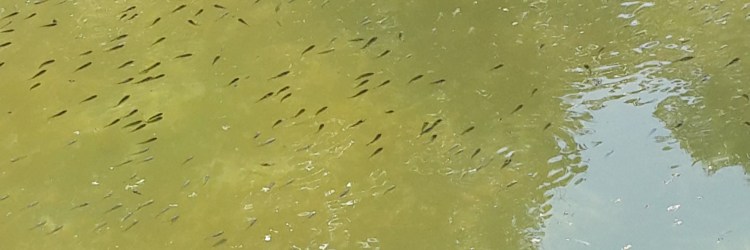
New Fish Stock – Close of 2015

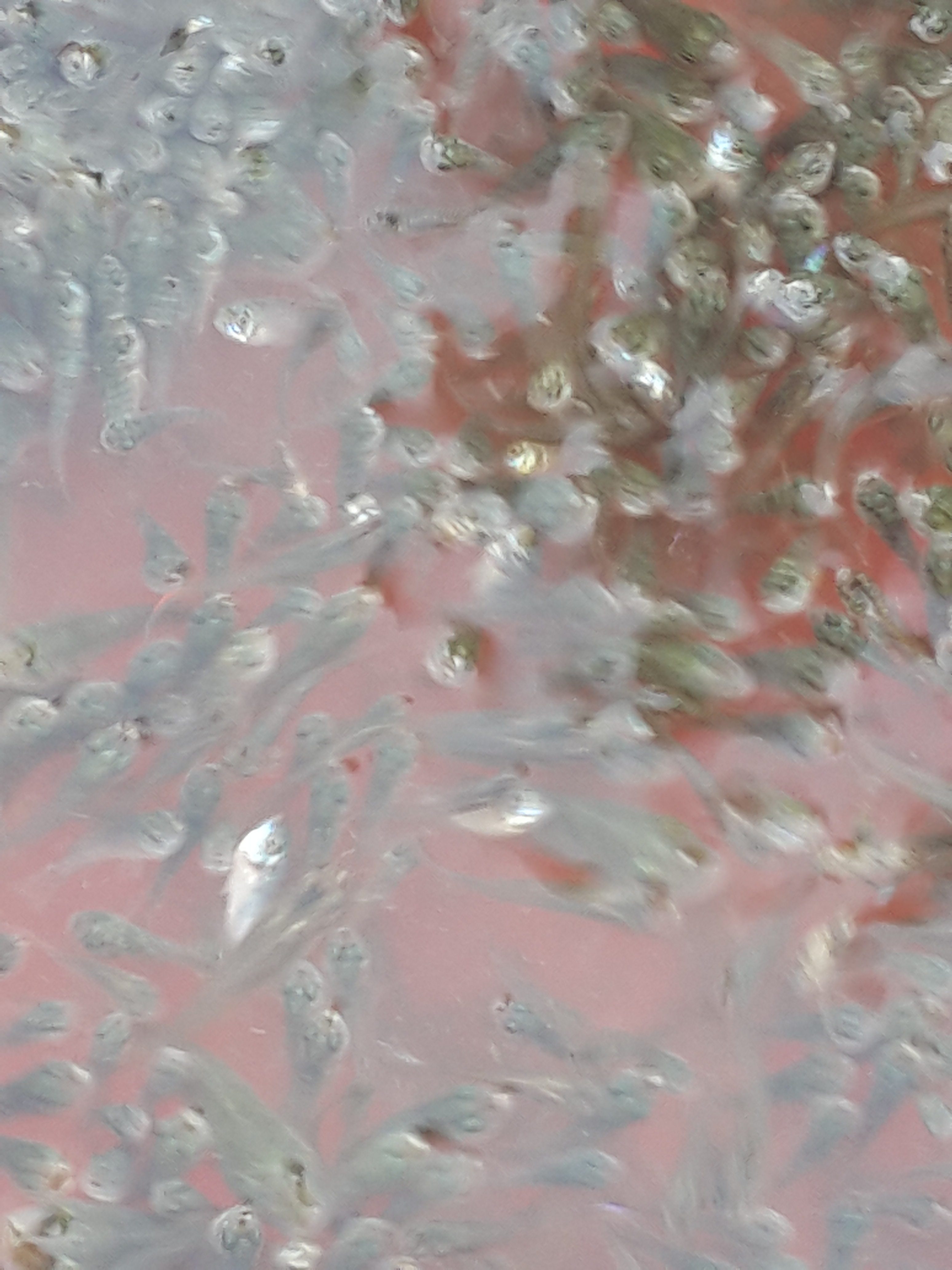
The day began very early at about 5.30am with a fast drive to Ttomi, Buloba about 9km from Busega Round about to the Aqua Consults Fish farm to pick up a batch of 4,000 1 month old Tilapia fry.

The fry were already conditioned in their “brooder” pond, so just had to be collected and counted. The counting was an interesting exercise in estimation, as a sample was picked up in a sieve – then manually counted to provide a basis for estimating how many “sieves” were required.

Once the fry were counted, they were packed into polythene bags with about 5 litres of water which included salt to help ease the stress, and filled up with oxygen from a tank and then tied with rubber strips into an airtight container.

The journey to the farm site was a compromise between driving as fast as we could on a murrum road with road works and over shaking the fry which would increase stress.

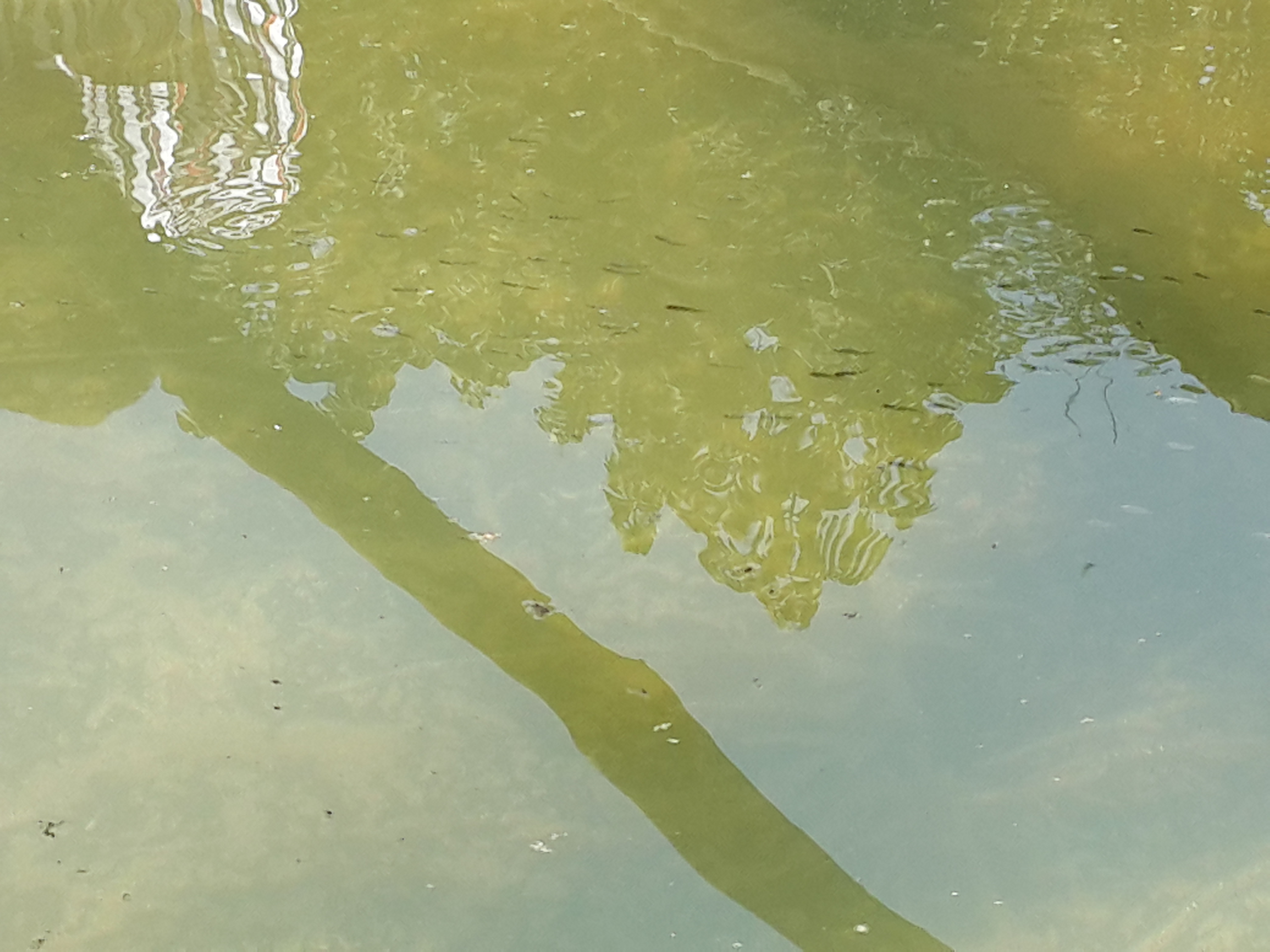
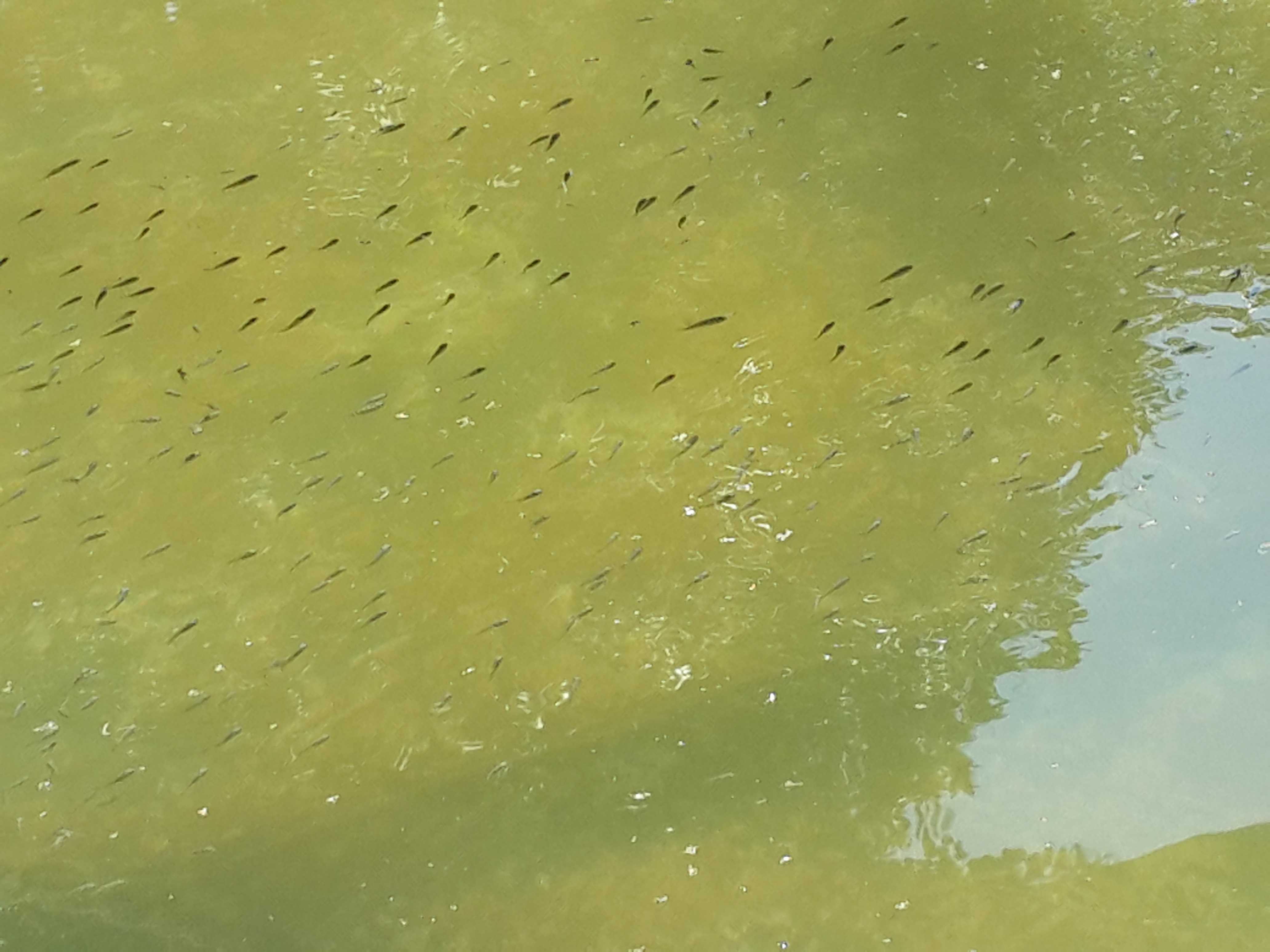
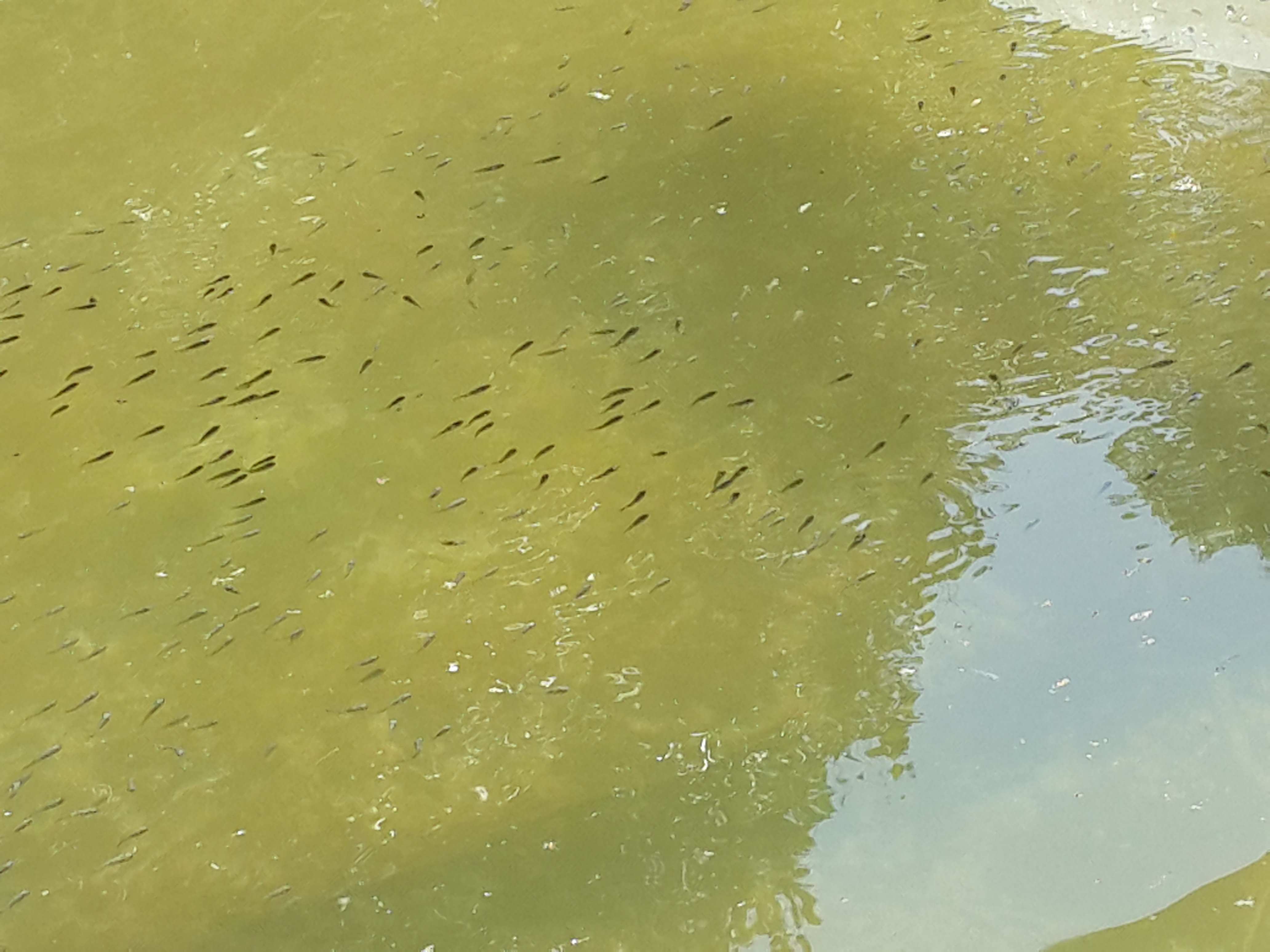
Once we got to the site, we first placed the polythene bags in the tank for 15 minutes so that the temperatures would be consistent to prevent temperature shocks, then opened the bags for water to flow from the tank. The fry moved out of the polythene through the space of 1 hour.

The fry were not to be fed on Day 1, to give them time to adjust to their new environment

All in pictures … Happy 2016!!!

2015-12-30 07.12.14

Counting the fry in a sample

Counting the fry in a sample

Counted fry ready for packaging - 1

Counted fry ready for packaging – 1

Counted fry ready for packaging - Closeup

Counted fry ready for packaging – Closeup

Airtight sealing of the container

Airtight sealing of the container

Filling the fry travel container with oxygen
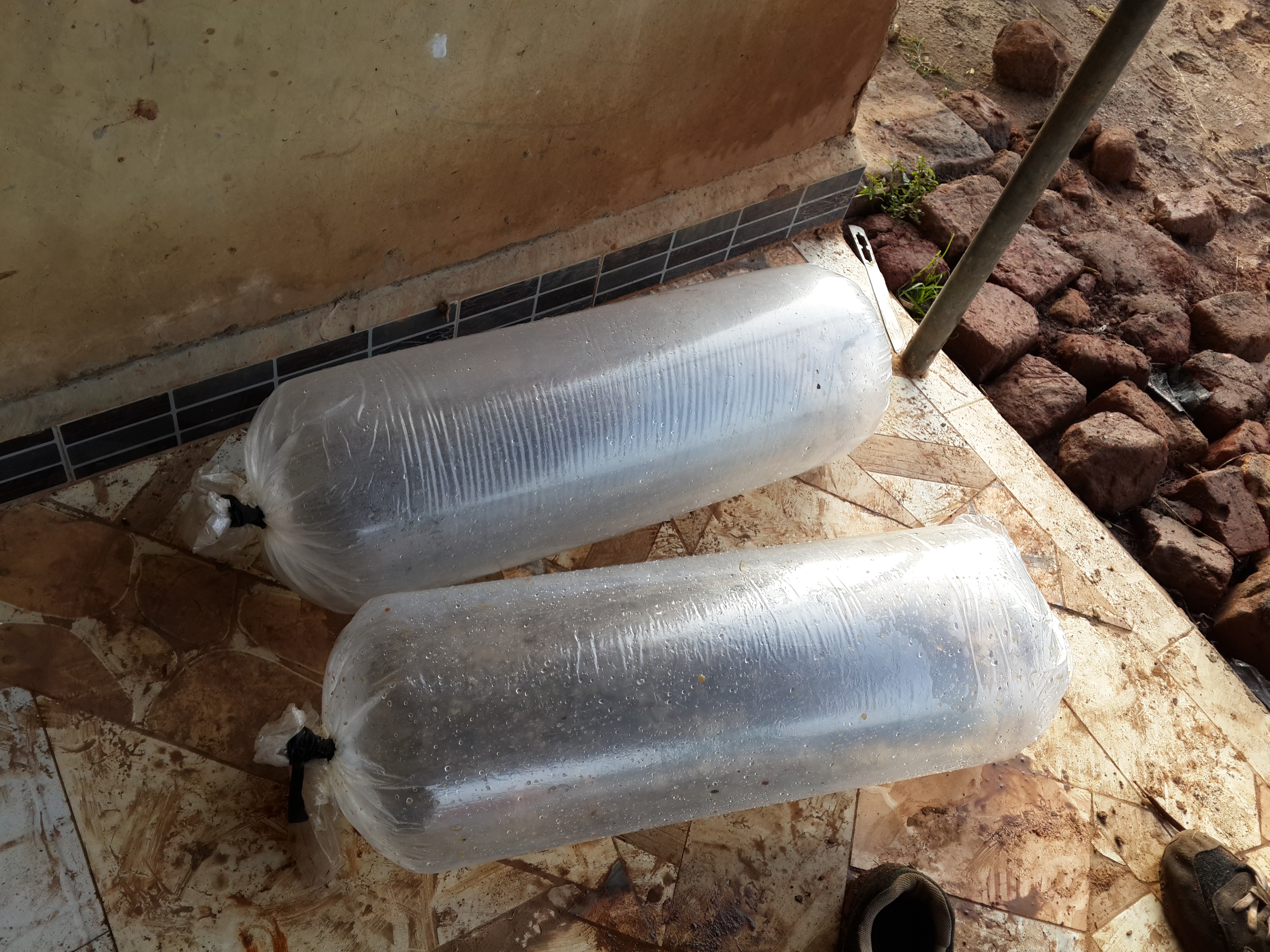
Filling the fry travel container with oxygen

Fry packed and ready to go
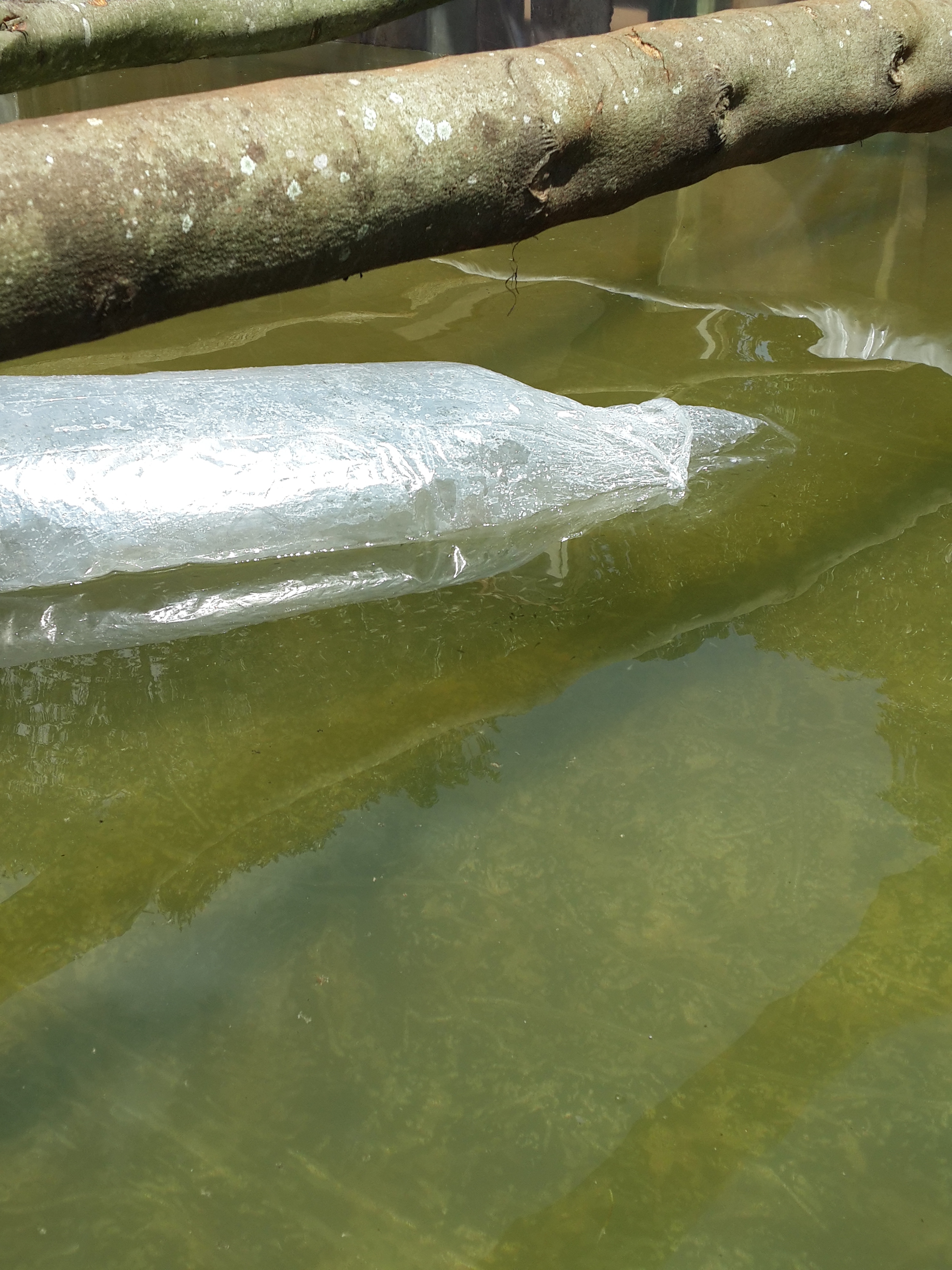
Fry packed and ready to go

Releasing the fry into their new home - no hurry

Releasing the fry into their new home – no hurry

Releasing the fry into their new home
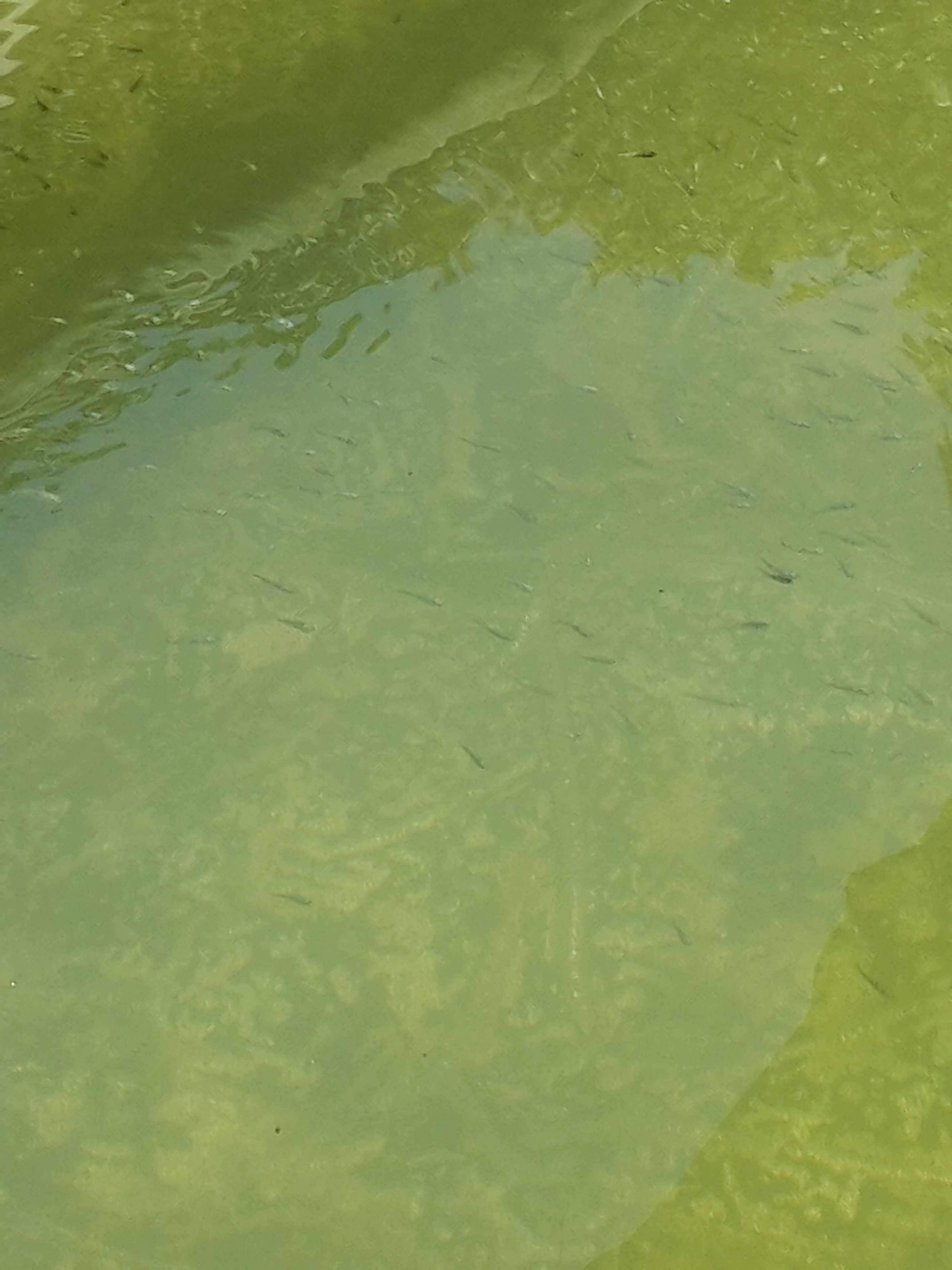
Releasing the fry into their new home

All settled in - 1

All settled in – 1

All settled in - 2

All settled in – 2

All settled in - 3

All settled in – 3

All settled in - 4

All settled in – 4

Net for protection from predators - monkeys, lizards, birds

Net for protection from predators – monkeys, lizards, birds

Fish Tanks Testing

The fish tanks are almost ready, but what it brought back were ideas from opensource technology – release fast release often & test test test.

The story continues, after the initial construction of the structure, a base of sand was added to provide a smooth foundation on top of which was overlaid a 1000 gauge black plastic sheet to provide a cushion against stone damage to the water holding clear plastic sheeting. The sheeting is sold in rolls of 5′ x 150m, so 5 sheets had to be joined side by side to provide a 25′ width sheet to go across the tank, having 4 joints. Once the sheet was placed in the tank, we started pumping water into the sheeting, patching leaks as they were identified. It was a very tedious and slow process involving alot of manual labor.

Once that was done, the tank was filled to a height of 5′, it will never hold that much water, but it provided a stress or load testing opportunity which showed that some of the corner poles needed to be reinforced.

One that was done, all is well and the tank is holding on until the fish are to arrive ….

Plastic Sheeting to add water added for the first time

Plastic Sheeting to add water added for the first time

Water test to find leaks

Water test to find leaks

Water test again for more leaks

Water test again for more leaks

Week 7 – Separation of Birds into 2 Rooms

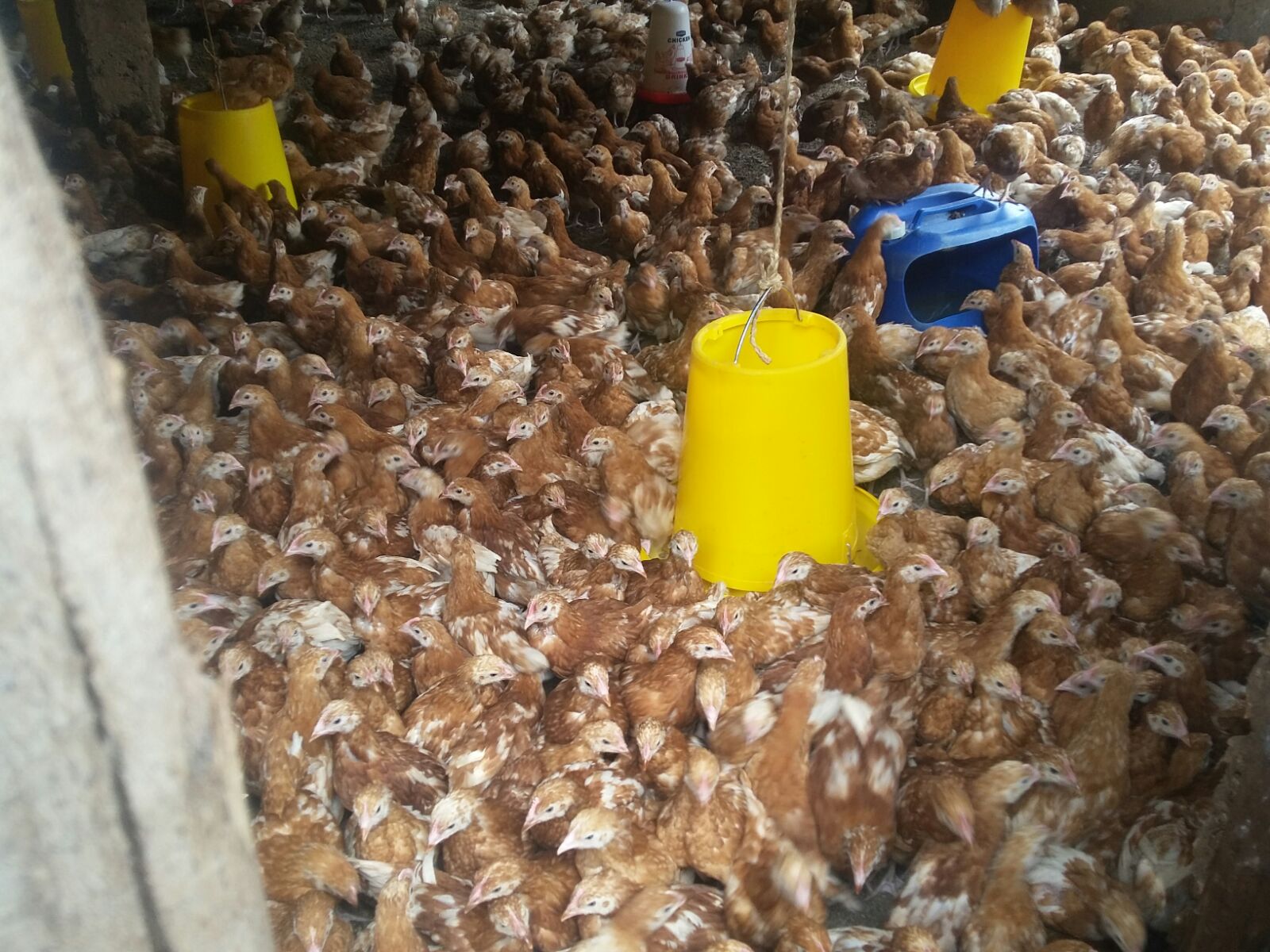
Its now week 7, and time for us to separate the birds into two separate rooms to increase space available for each bird. This was part of the plan as running two brooders is a hassle with no specific benefits.

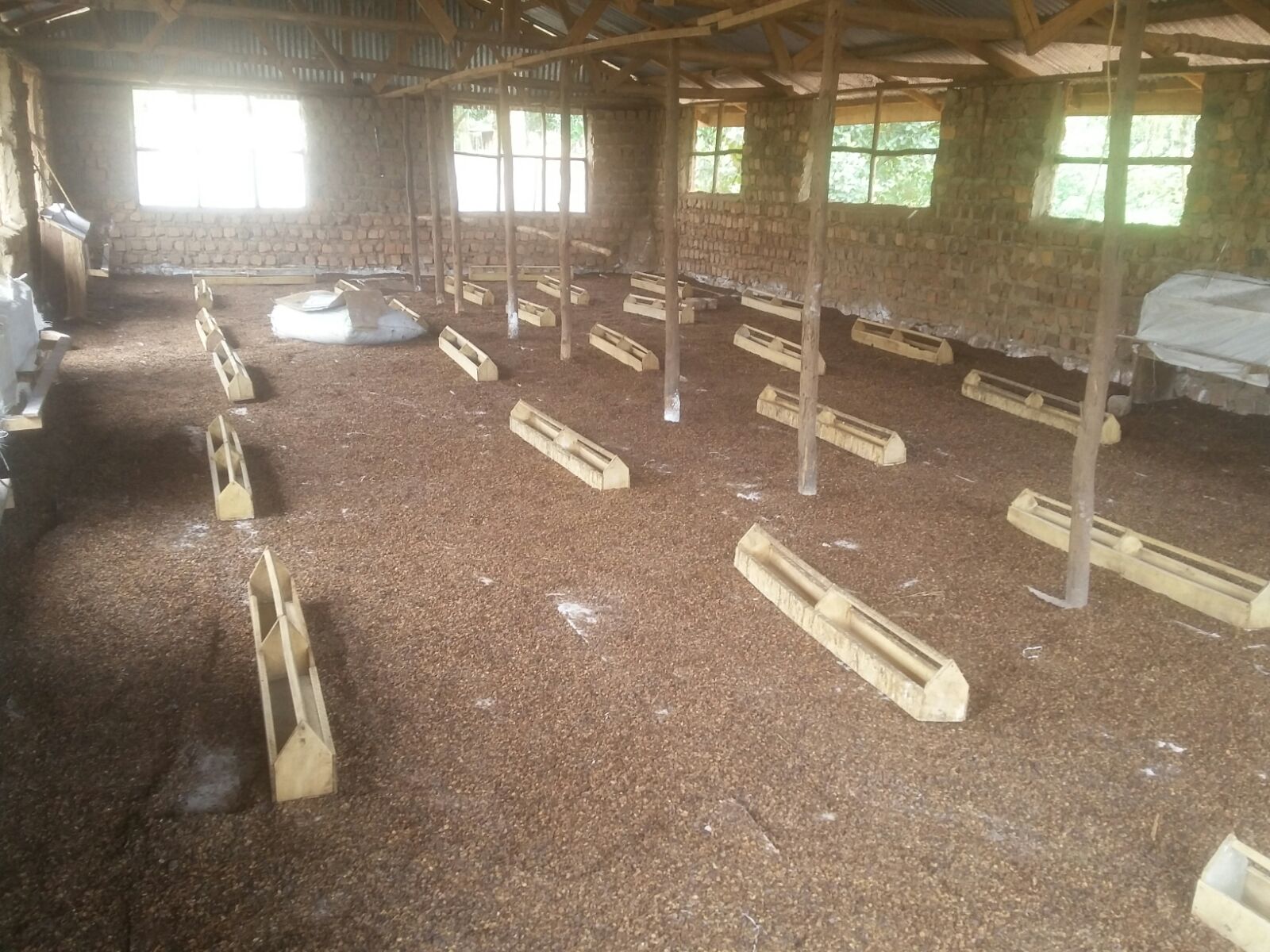
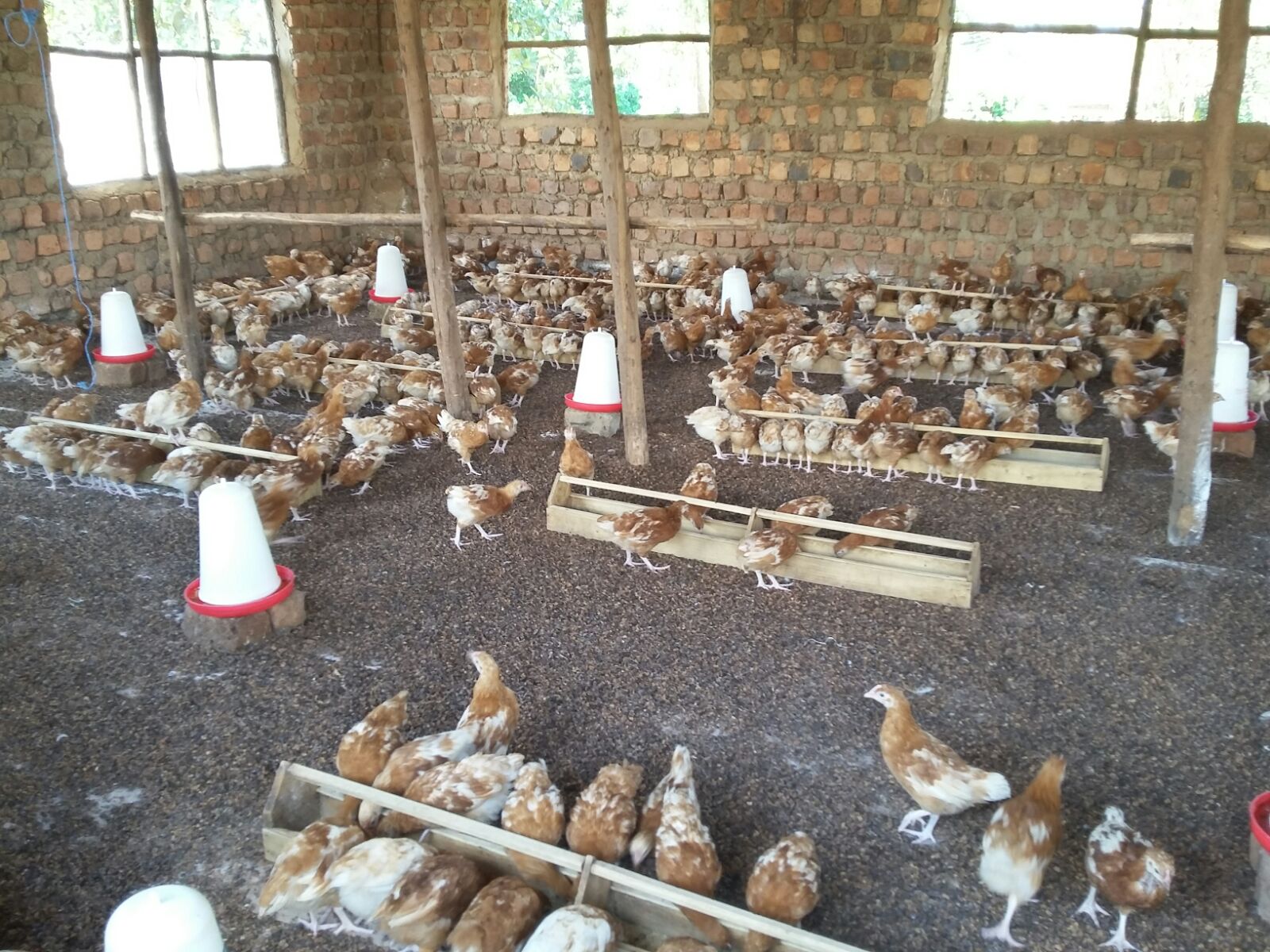
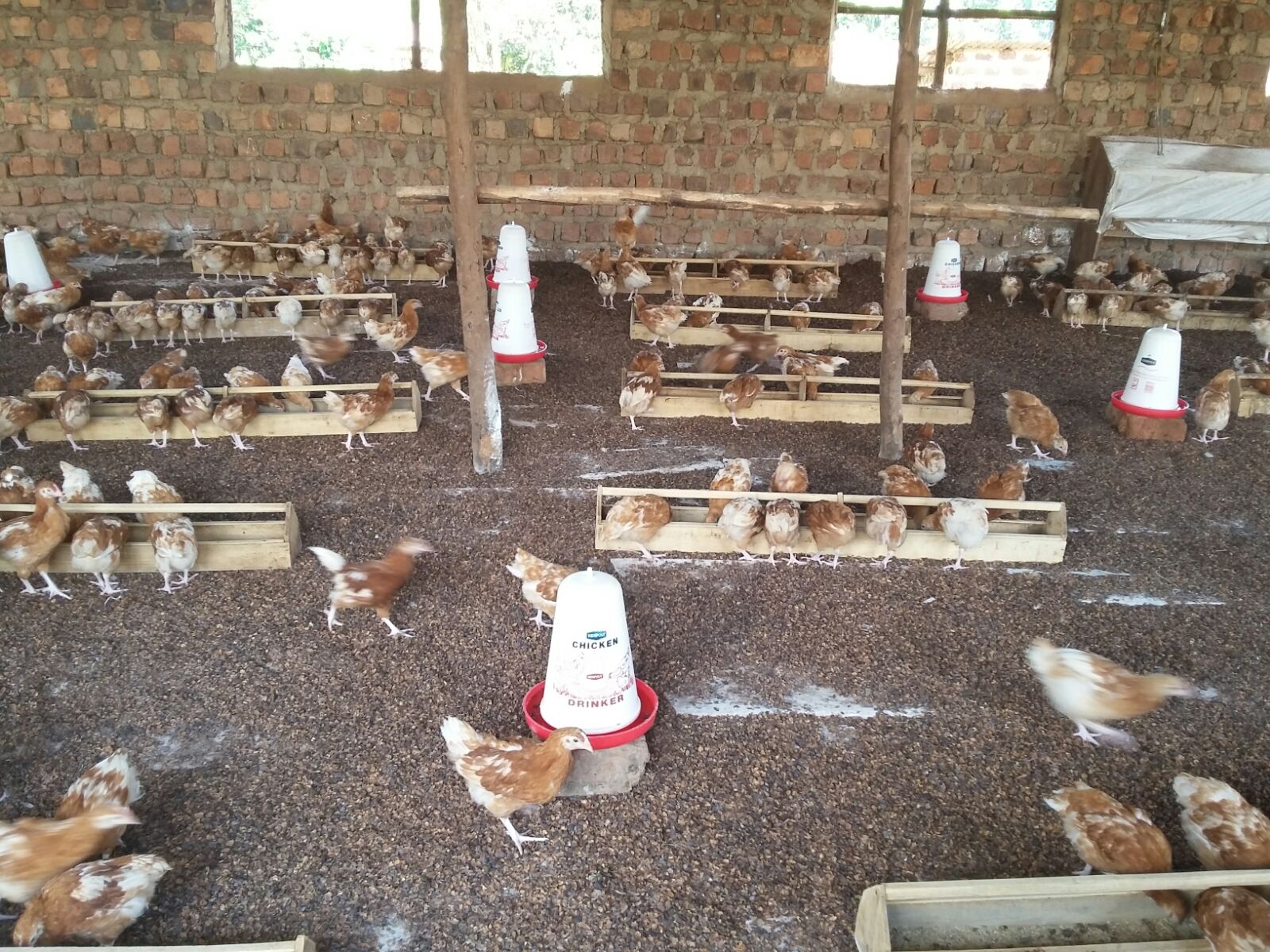
Now there are 1,215 birds in each house of giving about 1.13 sq feet per bird.  In the new house we mixed the husks with lime, as well as sprayed a disinfectant over the husks & the room during the course of 2 weeks before the move.

Before Separation – Brooding House and New Home

Birds before  separation

Birds before separation


Feeder Layout - Top End

Feeder Layout – Top End

Feeder Layout - Bottom End

Feeder Layout – Bottom End

After Moving into New Home

Happy Spacious Birds Lower End

Happy Spacious Birds Lower End

Happy Spacious Birds Upper End

Happy Spacious Birds Upper End


Feeding Time in our new home

Feeding Time in our new home

Smallholder & Commercial Farming Models Not the Future Africa Agriculture Revolution

There are a lot of interesting articles on the web on different farming models for Africa, many of which acknowledge that large scale farming is not possible. However the prescription is social enterprise driven engagement with small holder farmers, such as this New Model farming (http://africanbusinessmagazine.com/special-reports/new-model-farming/) and Realizing the potential for high returns from agriculture (https://agenda.weforum.org/2015/07/realizing-the-potential-for-high-returns-from-agriculture/)

However this new thinking is still flawed because there is no understanding of the thinking of small holder farmers which is grow enough to survive with a little left over to meet basic needs around the household. This does not lead to a focus on agronomical practices that increase yields, or in investments for growth past the current season, or even pursuit of higher revenues for better markets.

I have argued in a previous posts on the mindset shift required for agriculture to succeed in 2015 and beyond https://ugfarmer.wordpress.com/2015/02/26/mindset-shift-required-agriculture-success-for-2015-beyond/ and so has this author Agriculture in Uganda Where Next (http://ssmusoke.com/2014/10/08/agriculture-in-uganda-where-next/)

In summary the model is neither small holder farmers nor commercial farming, but rather a usually ignored hybrid of the two which is mid-tier family owned farming enterprises run by urban trained professionals.

Why would this be successful:

  1. Farms are run as agribusinesses, with cost and revenue models focusing on not only short term profits and longer term growth
  2. The mindset changes allowing the use of professionals such as veterinary doctors, agronomists, crop specialists to maximize the productivity of available land
  3. Increased use of agro-inputs such as improved seeds, agronomical practices such as irrigation, greenhouse farming, fertilizers, as well as pesticides/herbicides/fungicides to control pests and diseases.
  4. Access to capital and financing to smoothen out slumps
  5. Focus on revenues, leading to improved marketing, and distribution models.
  6. Ability to combine resources with others in cooperatives and farmers group to increase purchasing power, advocacy to drive government policy towards policy improvement.
  7. Mindset and appetite for growing economies of scale to improve revenues
  8. Mindset to embrace value addition to increase and stabilize revenues across peak and off-peak seasons

So in order to drive Africa forward the need is to grow the “middle class” agribusinesses which have the potential to feed the world.

What are your thoughts?

Poultry Feed Dilema – Mix My Own or Outsource?

The major factor affecting poultry egg production and therefore revenue & profitability is the feed. Its not enough to just provide feed, but rather a consistent product, with little variability in composition, quality and texture.
Birds are usually kept in high concentrations, so any change in the feed will quickly have a ripple effect on the productivity measured in days, with return to regular production taking longer usually weeks. The cause is that egg laying, a.k.a reproduction is not critical to a bird’s well being, so is reduced in any shocks to nutrition.
Given how critical this is, should I mix my own feed so that I have full control of the process, and outputs. That is a loaded question, my answer and advice being that it varies depending on your (the farmer) strengths and your business model.
Considerations for mixing your own feed:
  • Cash flow – as most of the ingredients are to be paid for in cash
  • Supply chain – you need to develop relationships with the providers of the ingredients to cater for times of shortages as most of them are agricultural based
  • Storage – you need to maintain your own stores and manage moisture contents along with other contamination sources. This will also include bio-security controls for the traffic within the farm related to ingredients
  • Mixing Space- you will have to mix feed regularly which period reduces with the size of operation you are running. In Uganda, you also need to manage electricity supply, repairs and operations of the motors, human resources (the mixers) along with pillage (some ingredients like premix are prone to this due to their high unit cost)
  • Dust from mixing operations – if you have a large area then this will not affect you much as this areas can be separated from the rest of the farm and living quarters
  • Consistency – can you keep doing this regularly, consistently for ever?
  • Cost – does the capex & opex for mixing your own feed add up to savings?
  • Feed formulation – do you have the necessary expertise to formulate, adjust formulae for the birds as conditions change?
Considerations for outsourcing your feed mixing:
  • Operational Capability – what capacity does your supplier have to stock up on key ingredients, ensure a consistent supply from the market even when they are shortages, and to maintain a consistent predictable feed mix. Do they have the right machinery and personnel in place, as well as capability to formulate, refine and advise on feed formulations.
  • Consistency – how consistent is the output of the feed mixing
  • Checks and balances – how is the quality of the feed maintained, and controlled, do you have to be there when the feed is being mixed all the time. Do you trust the quality of the product that you are receiving?
  • Turn around time – what is the turn around time from ordering to receiving your feed
  • Scale – will your supplier be able to scale with you as the numbers grow?
  • Feed formulation – does your supplier have the necessary expertise to formulate, and adjust formulae for the birds as conditions change?
Essentially the two camps are evenly matched with the choice depending on your particular conditions, with the ability to mix and match options as your farm grows and scales.
What choice did you take? I took the choice of outsourcing feed mixing, with the major drivers being:
  • We do not have experience with agricultural ingredient selection and quality management
  • The space we are working with is too small to allow mixing
  • The supplier we have is currently is working out for us, and we have been able to develop an efficient operation to ensure un-fettered just-in-time feed supply to the farm
  • The largest customer that our supplier services has 30,000 birds there is scaling capability there
  • There are no major cost savings given the local cost of capital & operations, so we are focusing our energies on ensuring higher revenue for our products.
  • The feed supplier is well versed with feed formulation, as well as other aspects of poultry layer management which provides additional value

Why did you make the choice you did, how is that working out for you, if you had to do it again what would you do?

Q and A: Newcastle Vaccines – Thermal Stable or Cold Version

Question: I have been using the “cold” Newcastle vaccine for my birds, however I am thinking of moving to the thermal stable version. Being paranoid knowing that it is important to stay consistent for a flock – does it make sense for me to move at this time to the thermal stable version

Answer by Dr. David Omoding of Quality Chemicals (U) Ltd

Your fears and apprehension are understandable. However, be assured that moving to the thermal stable version would be the right move for the reasons below:

  1. Vaccine failure is a major issue for any “cold” (thermolabile) vaccine from point of manufacture, thru transit, to storage at the pharmacy premises, transportation to your premises etc. Wipe that uncertainty away by using a thermostable vaccine.
  2. The Thermostable strain is called I2 and it offers quicker, stronger, longer lasting immunity to poultry as compared to the cold La Sota, Clone, R2 strains. It might be bit more expensive but surely worth every penny. More can be found from http://www.fao.org/docrep/005/ac802e/ac802e04.htm.

In extensive systems (free range), one application is sufficient for the life of the bird including local birds while In intensive systems we advise one application every 3 months.

Q & A: How can I manage Biosecurity on a Poultry Farm

Question: I hear practitioners talking about bio-security being a requirement on a poultry farm, why do I need it, how do I do it?

Answer: Biosecurity is a practice designed to prevent the spread of disease onto your farm. It is accomplished by maintaining the facility in such a way that there is minimal traffic of biological organisms (viruses, bacteria, rodents, etc.) across its borders. Biosecurity is the cheapest, most effective means of disease control available. No disease prevention program will work without it.

Best Practices:

Contributions by: Mugisha James Frank of Jade Commodities Ltd, Ssekatawa Charles – Veterinary Consultant with Surebreed Farming Operations, Peter Ssenkungu of NutriNova Limited, Dr. Sewagudde Samuel – Genesis East Africa Ltd and Nakato Winnie Fernandes of Vic and Val Ltd.

Our understanding of biosecurity is mitigation of risk in case of disease occurrence or outbreak….Measures taken so far are;

  1. Controlled access into the farm through fencing. Farm divided into two zones, buffer zone fenced off with barbed wire and clean zone with chain link. General movement is from buffer to clean zone. Poultry coops are within the “clean area”
  2. Restricted access to the farm by visitors. Any visitors who come in have their shoes sprayed with a disinfectants or common bleach.
  3. Professionals in the poultry industry are considered as the highest risk and require special permission to access the farm because they have accessed other farms so are more prone to carry bio-hazards.
  4. Manned access points were we do spray both individuals n vehicles using disinfectants like biosafe or common bleach like JIK
  5. Records kept on a daily basis on the accessibility of the farm.
  6. All staff have protective gear in terms of uniforms, dust masks n boots.
  7. Water filters fitted to each tank in the water distribution network to reduce the incidence of Ecoli
  8. Isolation of coops for flocks from each other
    • Poultry coops spaced from each reduce air-borne contamination. The minimum distance is 20m, with 50m being the international recommendation. The open nature of the poultry coops requires breaking the effect of direct flow of air from one house to another. Beyond 15m, the air flowing from one coop gets diluted with fresher air outside the coop reducing the contamination of air entering the next coop.
    • Each poultry unit is strictly manned by one person.
    • All poultry units have footbaths whose disinfectant is changed on a daily basis.
    • Feeders n drinkers washed on a daily basis, with those of a coop washed separately from others.
    • No sharing of equipment between poultry coops.
    • Each poultry coop has a separate sick bay and isolation ward.
    • Feeds for each coop stored separately so that there is reduced contact during feed distribution
  9. All mortalities recorded and inspected before disposal.
  10. Periodical water and feed tests say every 3 months to monitor their quality.
  11. Housing is provided 4 all poultry attendants, so there is reduced contact with the outside world.
  12. Posters placed all round the farm, reminding staff of the importance of maintaining set biosecurity standards.
  13. After offlaying a flock from a coop, thorough cleaning, of the poultry house is done along with the equipment that has been in use in the coop. This is done multiple times, and a time period of at least 3 weeks to increase the effectiveness of the process.
  14. Vermin control by keeping grass within the farm short and clearing bushes.
  15. Placement of rubbish bins for easy disposal of garbage n vaccine / viral bottles
  16. Periodic burning of garbage

Additional comments and inputs are welcome…

Social Media Revolution Comes to Agriculture in Uganda

When you see a good thing, the best you can do is share with the rest of the world. I am proud to have a front side seat to bear witness of this revolution coming to agriculture in Uganda through leveraging the power of social media. The trigger was actually very innocent, which was a post on one of the larger Facebook groups about the creation of a WhatsApp group, which within 1 day was over-subscribed, because of the 100 member limit on Whatsapp group.

The group sparked off a whirlwind of knowledge and information sharing bringing together a new breed of middle-class farmers in Uganda, who do not look at farming as a dead-end, but rather as a business which can free them from the yokes of the corporate world.

Immediately after the group was formed, an initial meeting was held at a farm in Kiira, in Uganda where over 100 farmers, agri-prenurs, tele farmers, and those considering the jump met to work on how to leverage their collectiveness to develop & grow themselves. The discussions focused around experience sharing, management, discussions of business models, processes and procedures.

Where to from here, only time can tell… There are currently sub-groups for poultry, piggery, passion fruits, goat farming, diary farming with more springing up each day …

The future is bright, so keep an eye on this space

Mindset Shift Required Agriculture Success for 2015 & Beyond

So 2015 is the start of campaigns for the 2016 election year in Uganda, and President Museveni is preaching the gospel for the electorate on how they will grow and prosper in the times to come. One of the messages is Value addition in agriculture being key to Uganda’s growth along with commercial agriculture, which is being picked up and replicated by members of parliament.

However this is a flawed assumption, because it assumes that value addition is a fix for low agricultural productivity and revenues for small holder farmers. For anybody involved in any kind of value addition for agricultural products, the problem is that:

  1. The supply of the products is seasonal, low quality and inconsistent.
  2. The trade in products is largely comprised by “middlemen” who buy from the farmers at the lowest prices and try to sell to the consumers at the highest prices
  3. The market for value added products has to compete with lower priced imported products, which coupled with #1 does not make value addition profitable.

So what next, how does the President, government and leaders focus their energies to get agriculture to where it needs to be:

  1. Reduce the amount of counterfeit agricultural inputs especially seeds, agro-chemicals and fertilizers
  2. Improve financing opportunities for medium-holder farmers, who like the middle class bridge the gap between the small holders and large commercial farmers and concerns. The Agricultural Credit Facility (ACF) is not readily available
  3. Support the growth of agricultural cooperative societies over SACCOs. The societies deal with bringing the farmers together to leverage economies of scale, and reducing the cost of production, as well as providing a support system via input aggregation, learning, marketing, post-harvest processing.
  4. Identify, and negotiate trade deals for agricultural produce with international markets, which can be fulfilled by co-operatives in #3 above leading to their sustainability
  5. Set quality standards for produce to ensure that the market standards in #4 above are met
  6. Provide incentives for post-harvest processing and value addition. Why would contracts to supply produce to schools, army, police etc not be passed through the Uganda Cooperative Alliance – no handouts, just opportunity to make a difference.
  7. Revive and support crop and animal specific associations

What are your thoughts?