Surviving the COVID Lockdown – A Farmer’s Perspective

March 31, 2020 will forever be etched into our minds, as the President of Uganda announced a 14 day lockdown with no movement of private cars, only motorcyles, lorries and pickups allowed.

At first glance I can say that we were very fortuate, as our most senior staff at the farm had left the day before to see his wife through childbirth for their second child who was due April 9th, but came April 2nd. He would definitely have missed the birth and first days had he stayed a day longer.

This was the test of the processes and tools that we had put in place since we started this joruney in January 2013:

  1. Feed preparation
    • This is fully outsourced although we control the formulation process, and fully mixed, packed food is delivered to the farm in 100kg bags. We weigh on delivery and cross check with the order made. This proved to be the right call as the trust relation with the feed mixing provider meant we did not have to be present at all times, and transactions could be completed remotely.
    • During this process due to stockout of the 10% concentrate formulation we successfully moved to a 5% concentrate formulation
    • The feed is prepared once a week, which reduces the need for adding preservatives to keep it for longer, and provides an opportunity to make quick changes based on feedback from the birds – always measured by productivity
  2. Farm Records Management
    • On a daily basis we track the total feed and water consumption, production (number of trays per house) which provided remote visibility into how the farm was running
    • In addition we track finer details such how many eggs were picked per hour, how much feed and water is given in the morning and afternoon. This helps spot trends and changes in behavior based on weather and other factors
  3. Production and Sales Management
    • Previously we delivered to our customers which removed visitors from the farm, helping us manage biosecurity and good old security since no visitors are allowed to come in and eggs to leave. However with the lockdown this changed due to transport constraints
    • All deliveries were pre-paid before pickup as no credit was allowed, intially payments were made to the bank (via agent banking) however now this had to change to mobile money due to movement restrictions
    • Stock management – we agressively manage our stock having order levels at 120% of production, and carefully managing our customer deliveries to keep them happy. This was put to the test with a double punch of 3-week lockdown extension and start of Ramadhan, which pushed prices to below cost and at one time we had 800 trays (over 2 weeks of production)
    • Price management – we track and manage egg sales price based on the cost of feeds
  4. Farm Operations – we have regular activities at the farm to maintain the health of the birds which include
    • Monthly deworming followed by Newcastle vaccination
    • Scheduled pre-emptive veterinary service visits to check on the stool, and look for any signs of sickness as well as assess overall biosecurity controls. Additional visits would be triggered by changes in feed & water consumption plus productivity
    • Movement Sticker – we got this one through application to the Ministry of Works, as the farm is a registered legal entity that also files taxes with URA, so proof of need was not difficult to provide
    • The two staff who were at the farm during this period did a tremendous job earning themselve a 50% monthly salary bonus, for holding the fort.
    • The production manager had 2 daily checkin calls (or more)

The lockdown has now been eased with a partial re-opening started, which has pushed up demand and has provided a window for us to complete renovations and prepare for a new flock coming in on June 9, 2020.

What have been your lessons for running your farm operations during this lockdown? What will you change and improve for the future?

An Alternate Business Model for Small Holder Farmers – Free Range Indeginous Chicken

The commercial poultry business is now the rage with the increased demand for eggs and broilers, however it is fraught with peril due to the flock management needs, unstable prices of feed ingredients, weather (oh yes ask any farmer what the effects of the heat wave have been), feed formulation knowledge and not forgetting disease management due to the high numbers maintained in closed spaces. This business model requires specialized breeds whose genes have been formulated to grow fast (meat), have high productivity (layers) if managed well. This raises the capital and operational costs, which many cannot afford.

Based on our experience with commerical poulty, we would like to share an alternate business model, and our current progress with it, as a way of stimulating home-based agribusinesses. These are local birds, indeginous yes, which many have shunned over the years for kuroiler breeds (unfortunately we are not a big fan) so went back to our roots.

What are the major challenges with indeginous breeds that have been put forward:

  1. Diseases wipe them out
  2. Low productivity (eggs) and low weights (meat)
  3. Long growth times to achieve milestones
  4. Predators – rats, dogs and “humans”

In our experience, the business model and thinking is that the business model is what is wrong, leading to mismatched expectations. The commercial approach fot indeginous birds is not selling bulk in low value, but low numberrs of high quality and value.

What is our approach:

  1. The value of the local flock cannot be realized quickly, and has to be built over time so that it it self sustaining
  2. Leverage the learnings from the commerical poultry to fix some of the issues such as:
    • Disease management – follow the vaccination schedules for the commercial breeds to build immunity and reduce infection
    • Low productivity – supplement the diet with 30-50% commercial feeds to fix any deficiencies
    • Local additivies – leverage local plants such as aloevera, pupmkins, yams,  tree leaves (will provide names later), millet, sorghum, popcorn to supplement the diets
  3. Infrastructure:
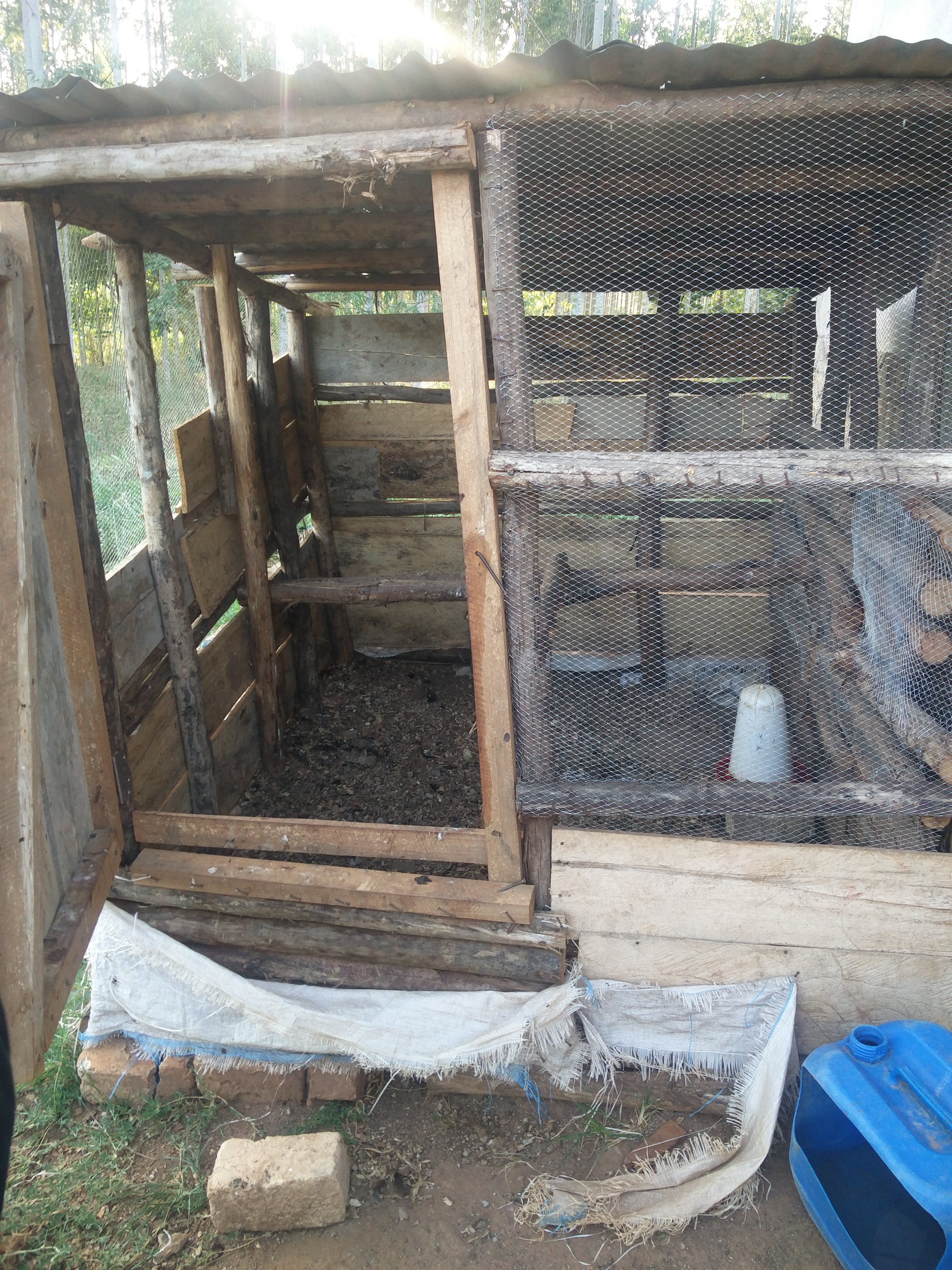
    • Housing – ensure adequate space for the birds to spend the night away from predators such as dogs, and rats (yes we lost 10 1-month chicks)
    • Keep the place clean – oh yes this requires investment, but reduces on disease outbreaks
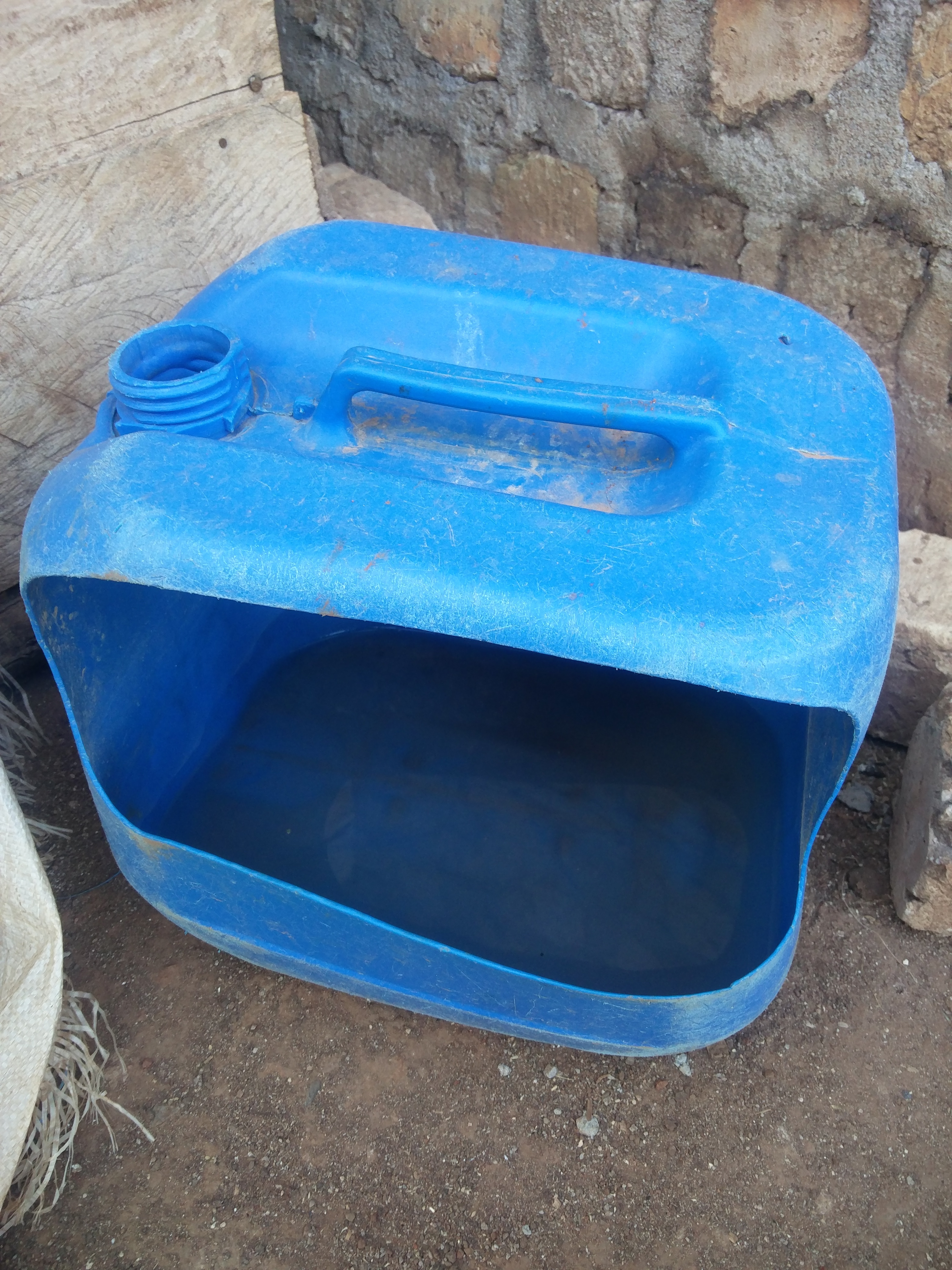
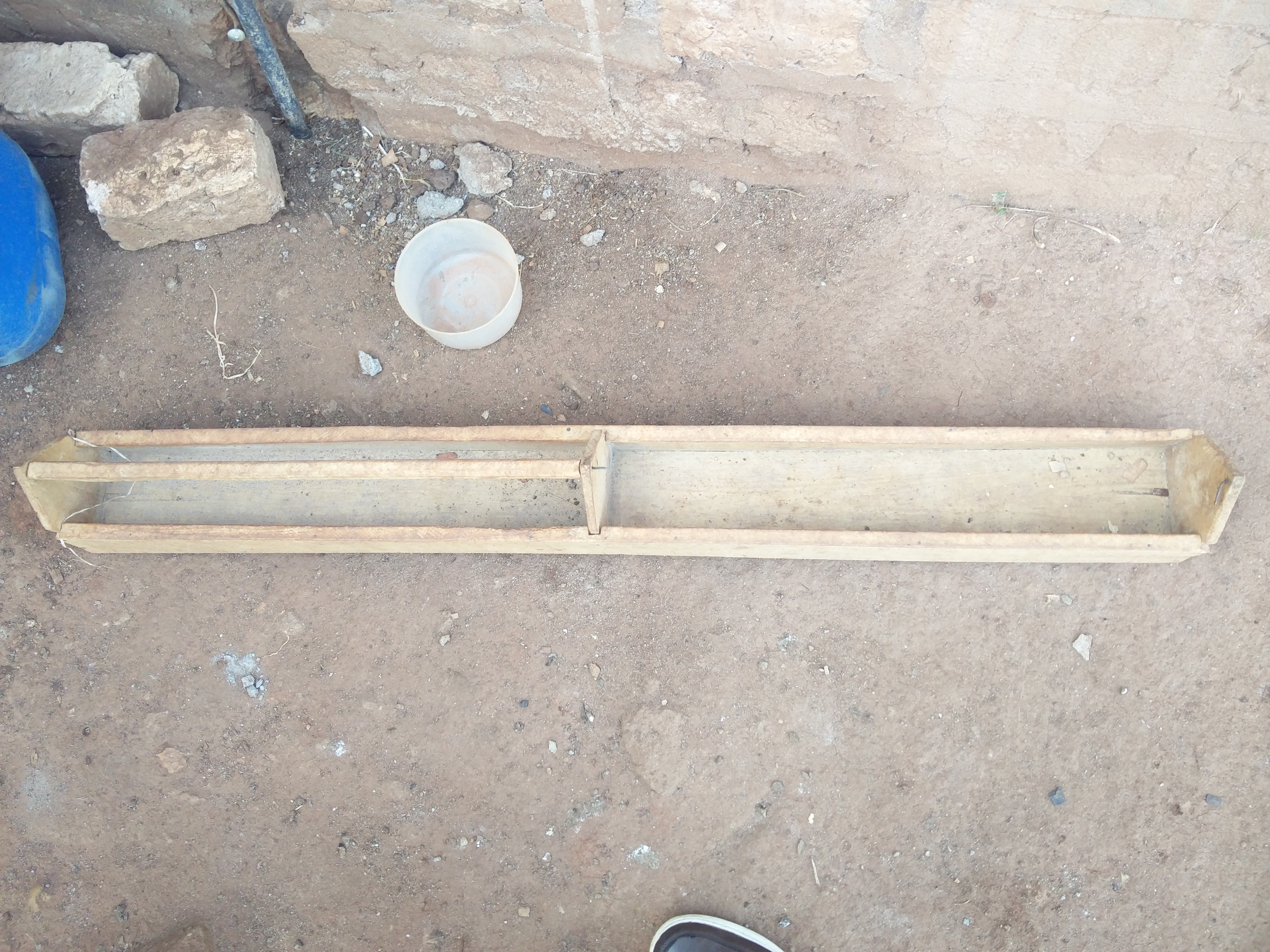
    • Feeders and drinkers – for local birds, are you kidding me, they can scavenge! Oh yes, look after them well and they will multiply
    • Free range area – demarkate an area for the birds to move around looking for food and scratch around, otherwise they collect diseases as they roam and also are prey for predators. We have not gotten to this stage yet but are getting there as the numbers grow
  4. How do we intend make money through the sale of:
    • Breeding stock – pullets and cocks since their lineage can be traced
    • Cocks for traditional ceremonies like kwanjulas, gifts to parents
    • Yellow yolk organic eggs at a premium
    • Pullets and cocks for food – very tasty for special occasions
  5. What do the numbers look like? This is a summary of the numbers in a way that makes sense on growth. All the chicks were brooded by their mothers
Month Additions Losses Notes
October 2018 3 Initial stock – 1 Cock and 2 pullets
November 2018 6 pullets,

18 chicks

1 pullet,

9 chicks

Purchase of pullets.

Theft of a mother and her 9 babies,

December 2018 10 chicks 8 chicks Predator birds and wild animals
January 2019 15 chicks, 6 pullets 3 chicks A purchase of pullets from upcountry travels
February 2019 10 chicks 3 chicks Predator birds and wild animals
March 2019 4 chicks 8 chicks Rats killed the chicks so moved the mother to the main house
April 2019 4 chicks 8 pullets Had lots of dogs around the house during mating season so ate the birds in the mornings

As of today, 28 April 2019, we have 2 hens brooding 18 eggs, and a laying hen with about 10 eggs – they tend to start brooding at about 10 – 12 eggs, that seems to be the natural cycle.

2019-04-06 18.24.04

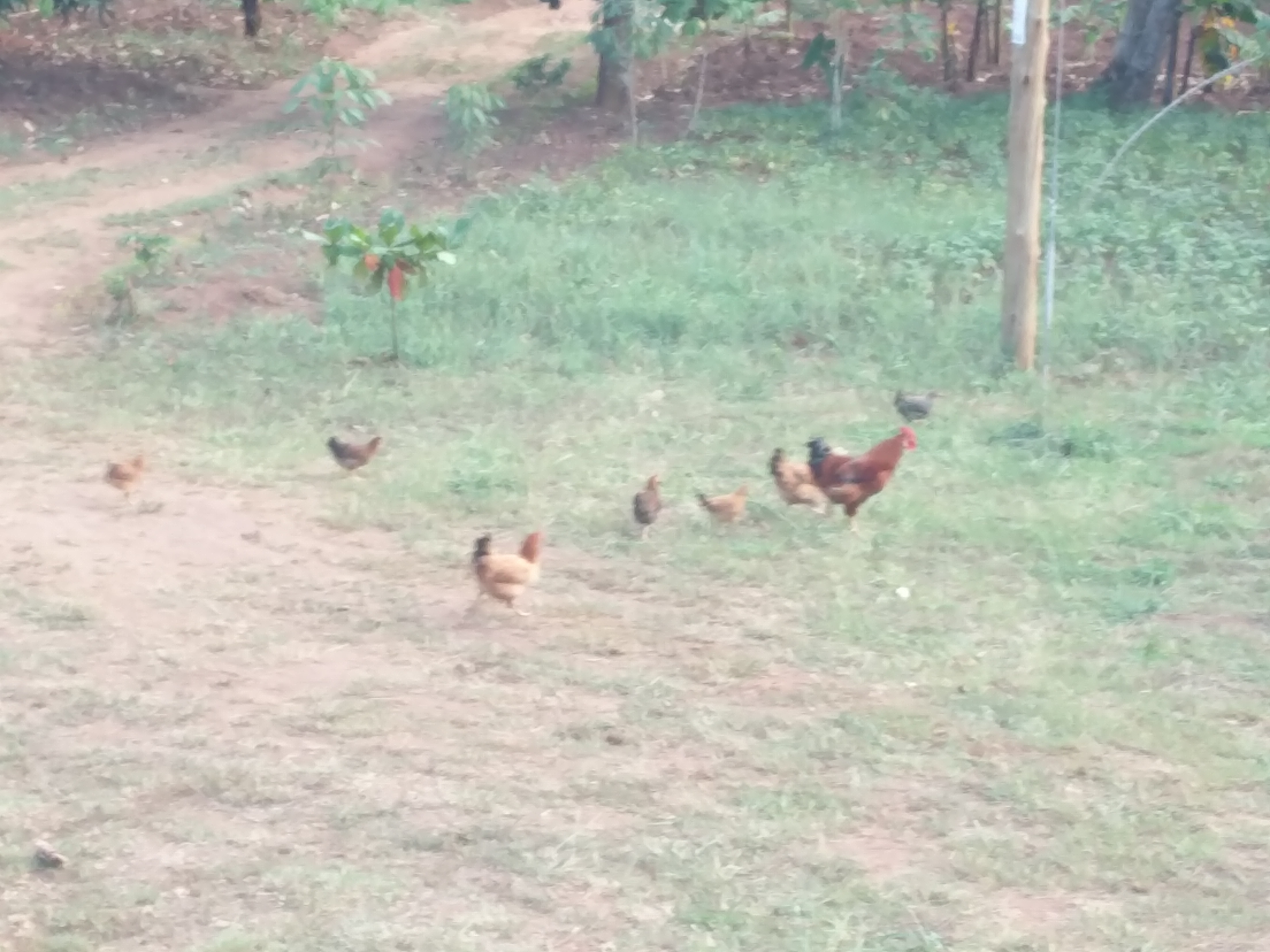
Happily walking around with the main cock

2019-04-06 17.59.51

Chicken house from locally made materials and frugal designs

2019-04-06 17.59.11

Drinker from jerrycan leveraged from commercial deep litter operations

2019-04-06 17.59.17

Locally made feeder usually used in deep litter

This Twitter thread covers similar ground for the construction of the house and how the flock is proceeding https://twitter.com/kungufarm/status/1080144748252418048?s=20