AgroTraining the new cash machine that is hurting Agriculture in Uganda

Agriculture has long been the mainstay of Uganda’s populace providing livelihoods to over 80% both directly and indirectly. Over the last 2-3 years, agriculture investment and operations has moved to urban employed who are looking at it as an alternate investment. Due to the education system  however there is no exposure to farming practices, knowledge and experience.
In comes the popular one day and half day agro-training workshops, seminars and agro-tours to existing farms as part of knowledge sharing, experience and a way of inspiring the “new age” farmers. While this is a good idea proving an accelerated experience, eduction and exposure. The new cash cow is holding training sessions and experience visits for new farmers, however this does not provide next steps for starting new enterprises or improving/scaling up existing ones.
While the commercialisation is difficult to control, there are a few tips that one can use to discern between what is useful and what is not outlined below:
  1. The training & experiential visits must be on a farm where the learnings can be seen in practice.
  2. The hosts and facilitators must have been in business for at least 3 seasons of production which provides great learnings.
  3. Ask questions about the investment and profitability numbers, remembering that this is just a metric for what is possible and your own experience may be different – you may perform better or worse
  4. Carry out your own research to validate what the benefits from the training session are
  5. Ask questions of the organisers and hosts to get a feel of how well they know the subject matter
  6. The best experiences are focused on a single crop/livestock area
The best experiences to date for me have been the Bongole Farm Passion Fruit visit and Aqua Farm fish learning visit (blog post coming in a week or so as I digest the information).
Remember this is an investment of money and time on your part, so use it wisely.

Day Old Chicks – Flock 4 Now In Brooder

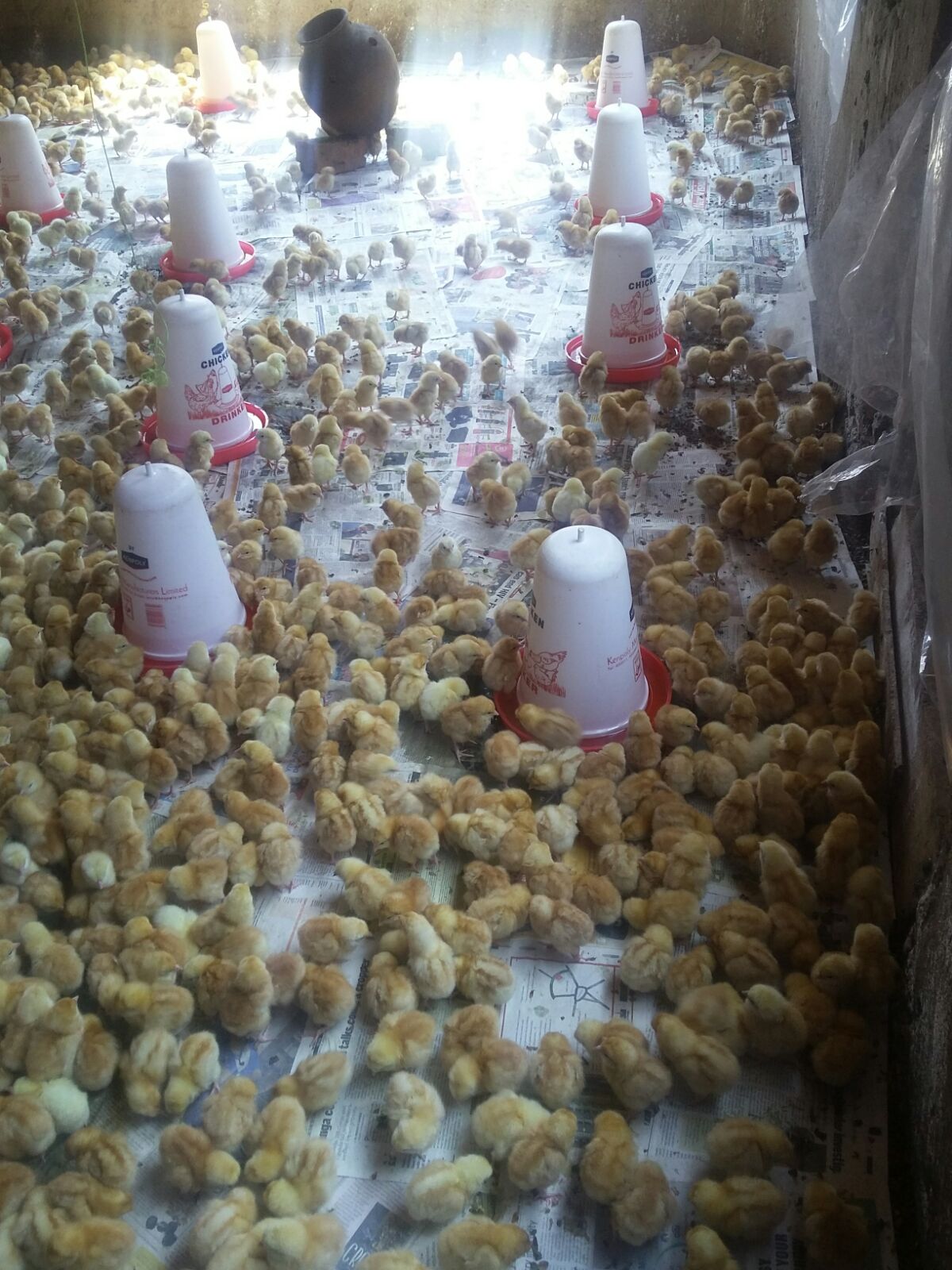
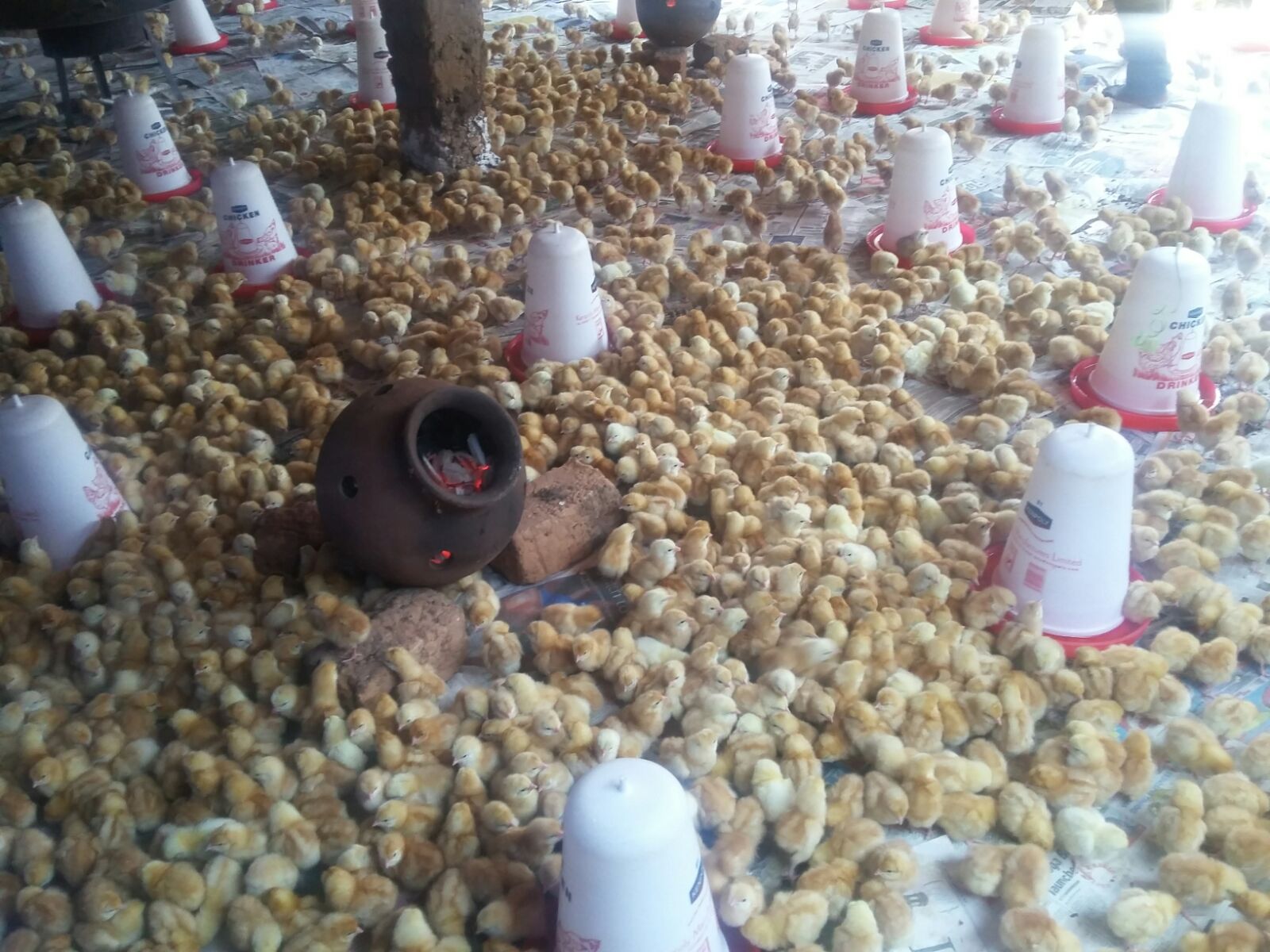
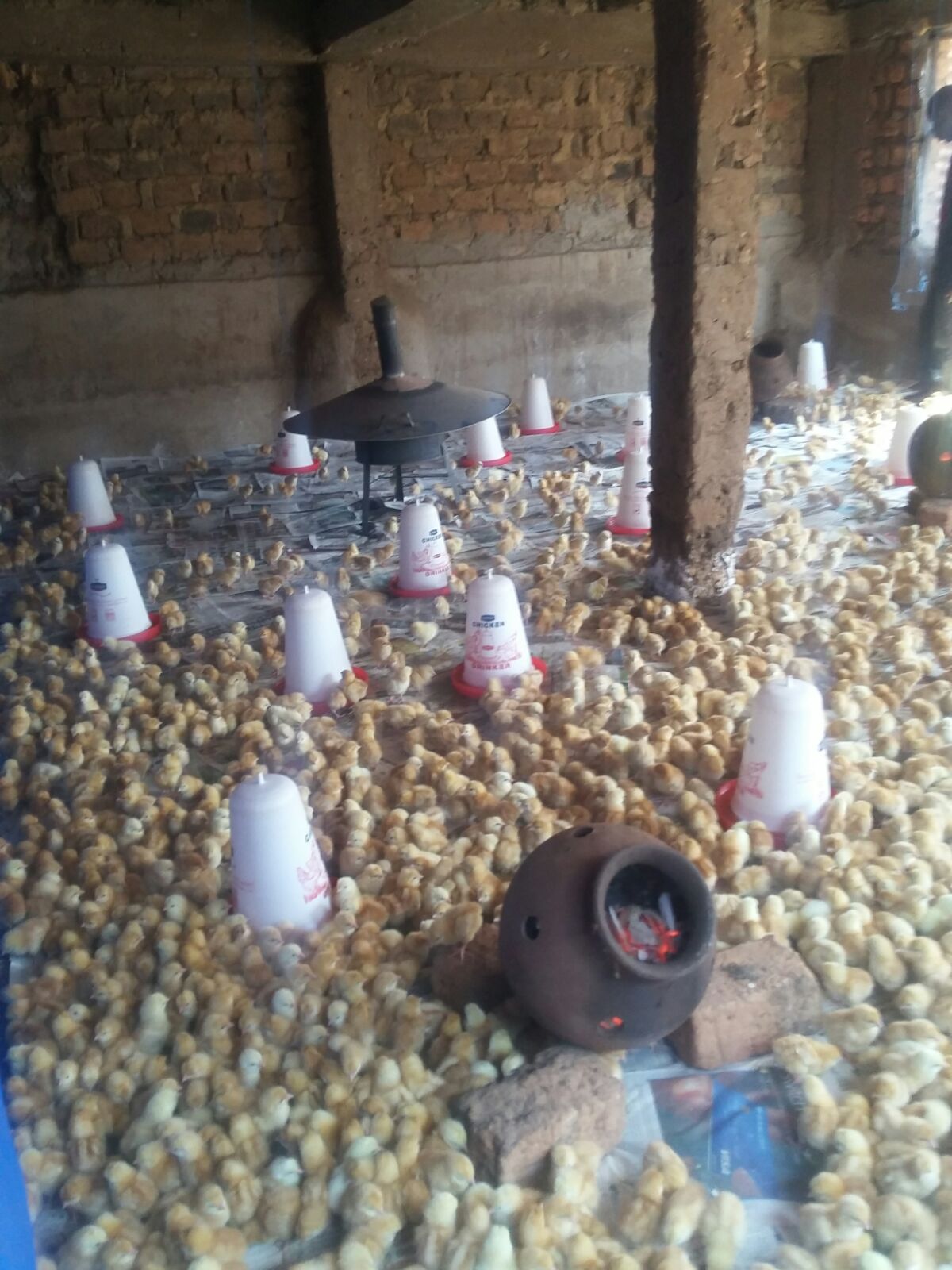
We are excited to be starting a new chapter at the farm, where we have a new batch of chicks that have come in today, Isa Brown, with the learnings from the last 2.5 years of business.

The changes that we have put in place:

  1. Increased bio-security with a dry lime bath on entry into the brooder
  2. Testing a new “sigiri” in addition to the pots
  3. Using newspapers as a bio-layer over the coffee husks, that will disintegrate and mix with the litter
  4. Contracting with an experienced poultry brooding services company to provide a dedicated person to raise the birds from day-old to about 6 weeks, depending on the progress and learnings that we have had.

Photos below

Brooder - Day old chicks

Brooder – Day old chicks – View 1

Brooder - Day old chicks

Brooder – Day old chicks – View 2

Brooder - Day old chicks

Brooder – Day old chicks – View 3

Smallholder & Commercial Farming Models Not the Future Africa Agriculture Revolution

There are a lot of interesting articles on the web on different farming models for Africa, many of which acknowledge that large scale farming is not possible. However the prescription is social enterprise driven engagement with small holder farmers, such as this New Model farming (http://africanbusinessmagazine.com/special-reports/new-model-farming/) and Realizing the potential for high returns from agriculture (https://agenda.weforum.org/2015/07/realizing-the-potential-for-high-returns-from-agriculture/)

However this new thinking is still flawed because there is no understanding of the thinking of small holder farmers which is grow enough to survive with a little left over to meet basic needs around the household. This does not lead to a focus on agronomical practices that increase yields, or in investments for growth past the current season, or even pursuit of higher revenues for better markets.

I have argued in a previous posts on the mindset shift required for agriculture to succeed in 2015 and beyond https://ugfarmer.wordpress.com/2015/02/26/mindset-shift-required-agriculture-success-for-2015-beyond/ and so has this author Agriculture in Uganda Where Next (http://ssmusoke.com/2014/10/08/agriculture-in-uganda-where-next/)

In summary the model is neither small holder farmers nor commercial farming, but rather a usually ignored hybrid of the two which is mid-tier family owned farming enterprises run by urban trained professionals.

Why would this be successful:

  1. Farms are run as agribusinesses, with cost and revenue models focusing on not only short term profits and longer term growth
  2. The mindset changes allowing the use of professionals such as veterinary doctors, agronomists, crop specialists to maximize the productivity of available land
  3. Increased use of agro-inputs such as improved seeds, agronomical practices such as irrigation, greenhouse farming, fertilizers, as well as pesticides/herbicides/fungicides to control pests and diseases.
  4. Access to capital and financing to smoothen out slumps
  5. Focus on revenues, leading to improved marketing, and distribution models.
  6. Ability to combine resources with others in cooperatives and farmers group to increase purchasing power, advocacy to drive government policy towards policy improvement.
  7. Mindset and appetite for growing economies of scale to improve revenues
  8. Mindset to embrace value addition to increase and stabilize revenues across peak and off-peak seasons

So in order to drive Africa forward the need is to grow the “middle class” agribusinesses which have the potential to feed the world.

What are your thoughts?