Get me outta here!

A Ugandan Farmer

Adventures of a farmer in Uganda who is learning on the job but is determined to succeed against all odds

Menu

Skip to content
  • Home
  • Terms and Conditions

Author Archives

ssmusokehttp://ssmusoke.comI am a technologist at heart working with software development teams deliver custom software for clients. In previous roles in other organizations, I have assisted customers identify user and business needs, defined technical specifications to meet those needs, evaluated vendor capability and supervised implementation of complex IT systems. I am passionate about growing the technology community in Uganda and on the continent. I believe in the mantra “Coded in Africa, for Africans by Africans”. My emphasis during this journey is to ensure that women are equal participants in the African technology revolution.
ssmusoke's avatar

Setting up Recirculating Aquaculture System for Concrete Tanks 

September 30, 2016 by ssmusoke

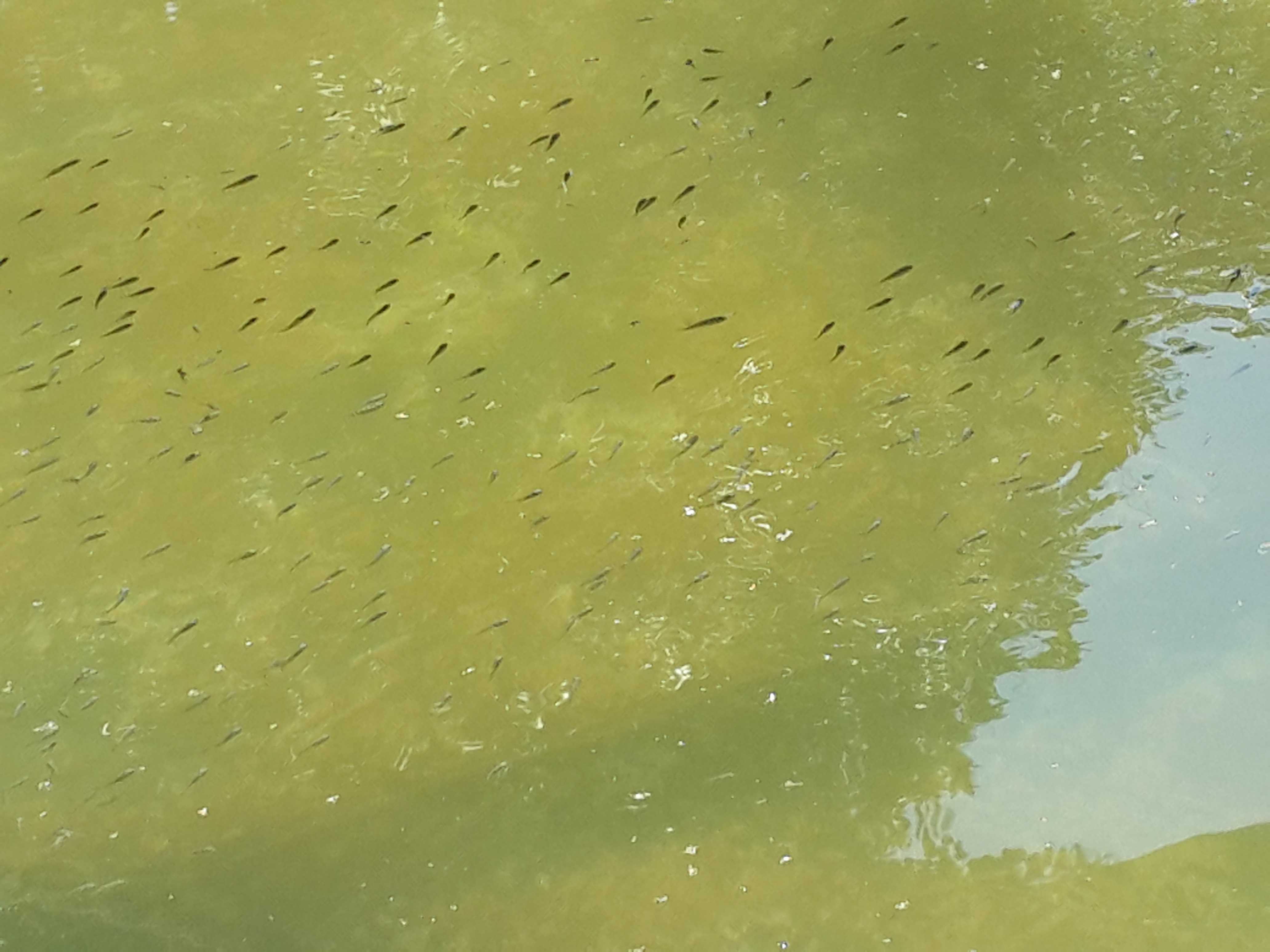
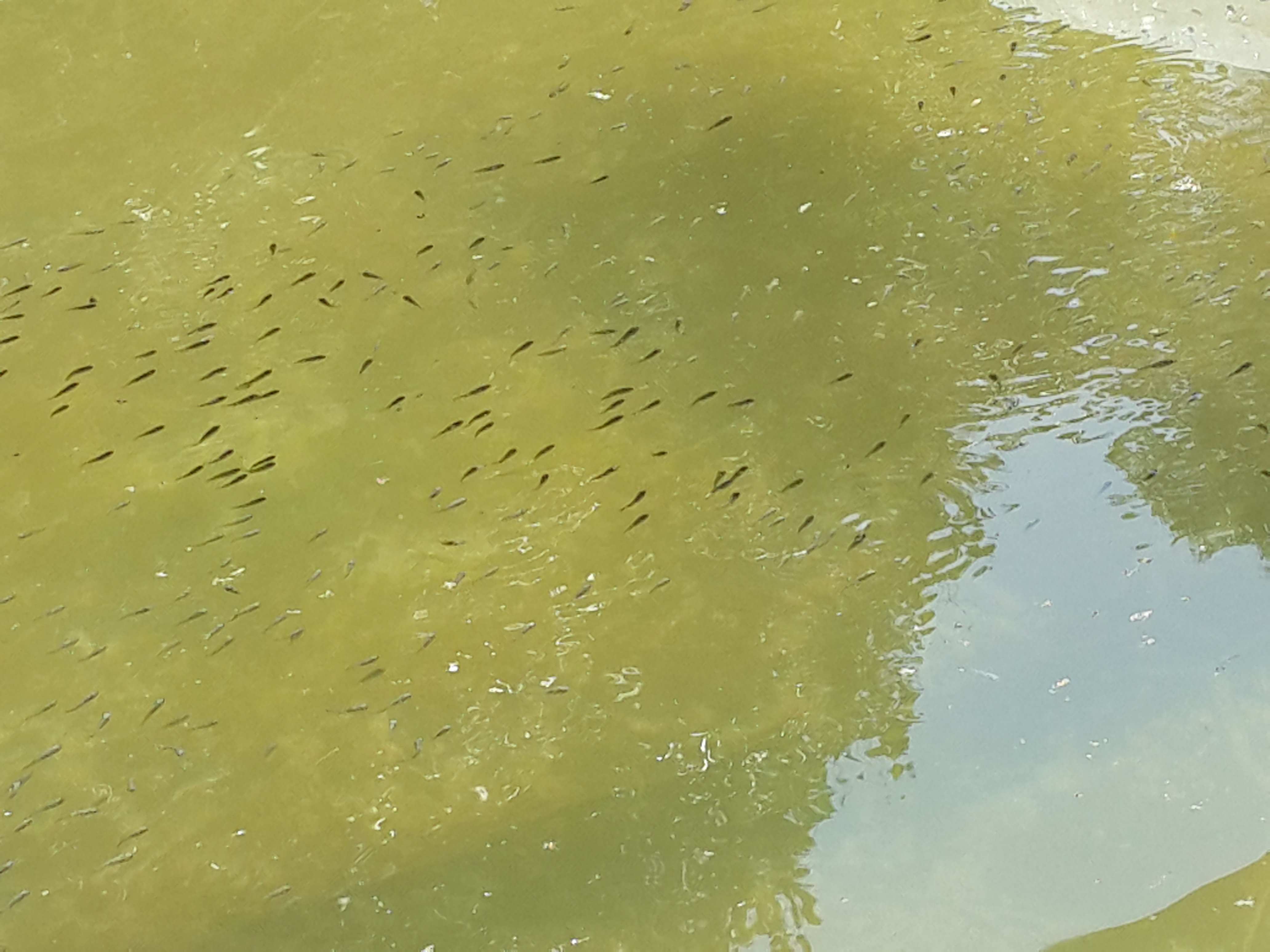
As part of the expansion of the fish operations, the next phase is to improve the amount of control over the conditions within the ponds. Currently the water is only changed once in 3-4 days depending on the weather conditions.

The plan is:

  1. Setup RAS circulation with solid settlement and bio-filters (Ultra-violet light based)
  2. Setup a solar system to power the pumps moving the water
  3. Add a covering over the tanks to produce a “green-house” like effect to maintain the water temperatures in ranges that are ideal for tilapia

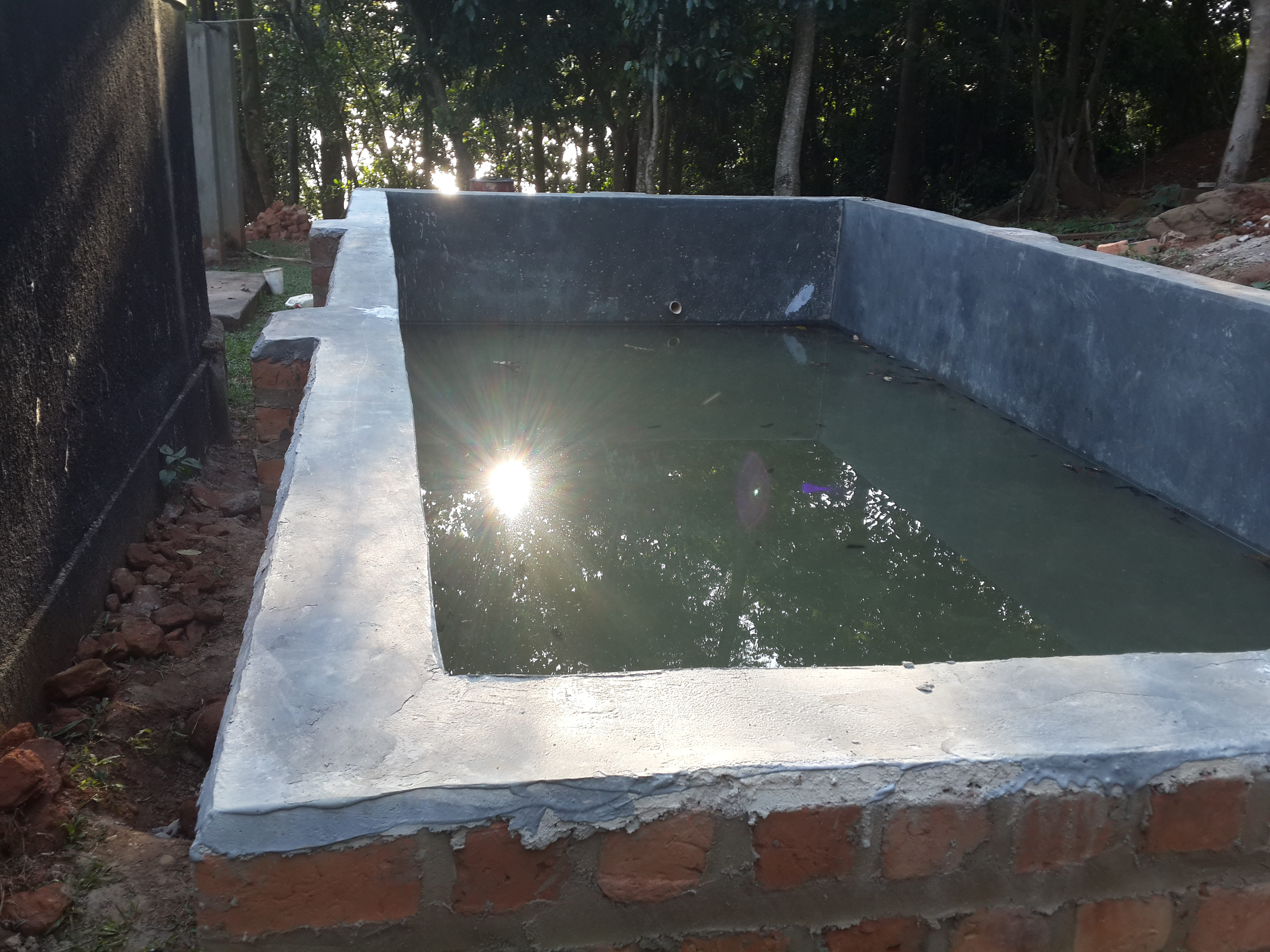
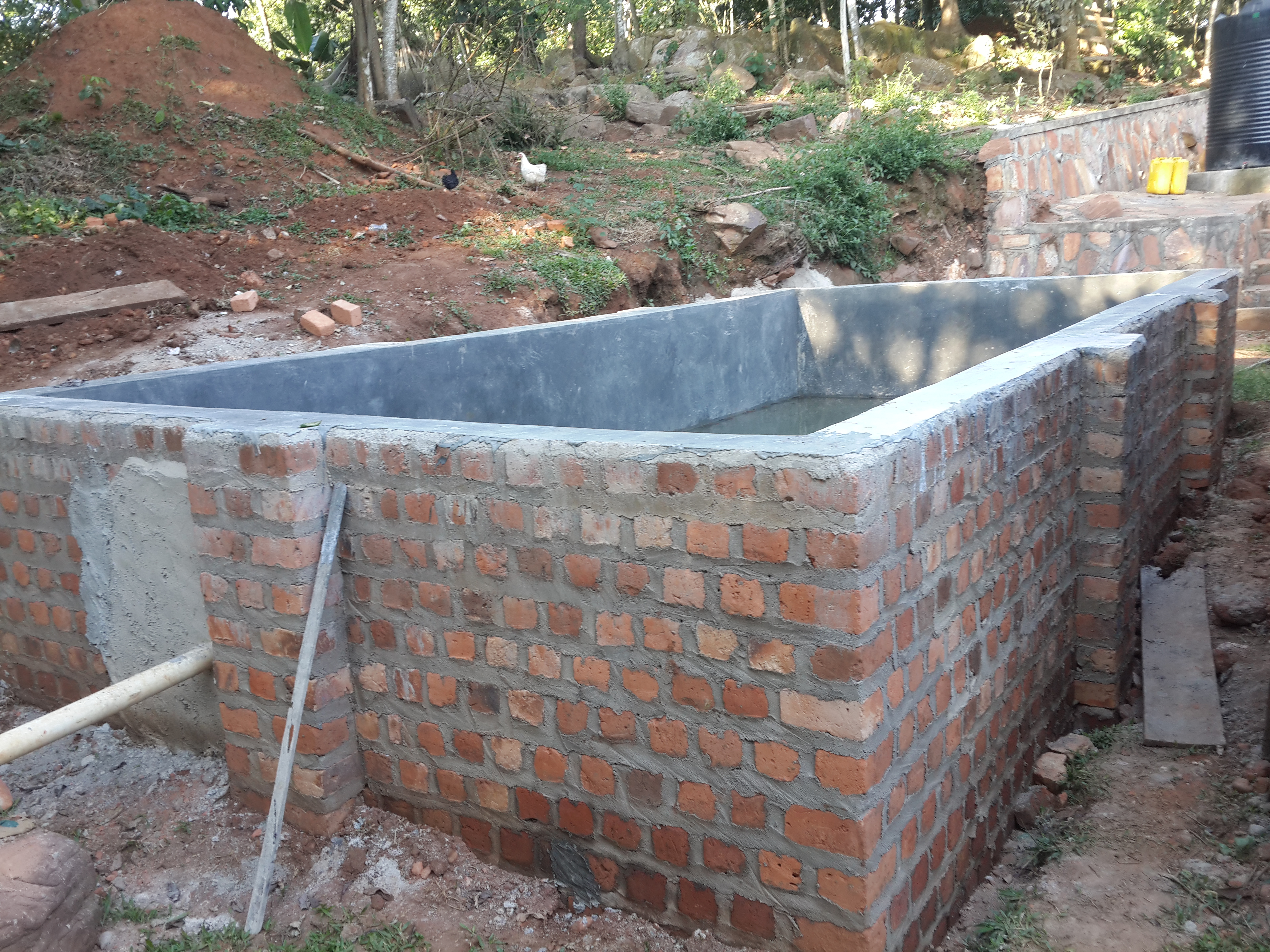
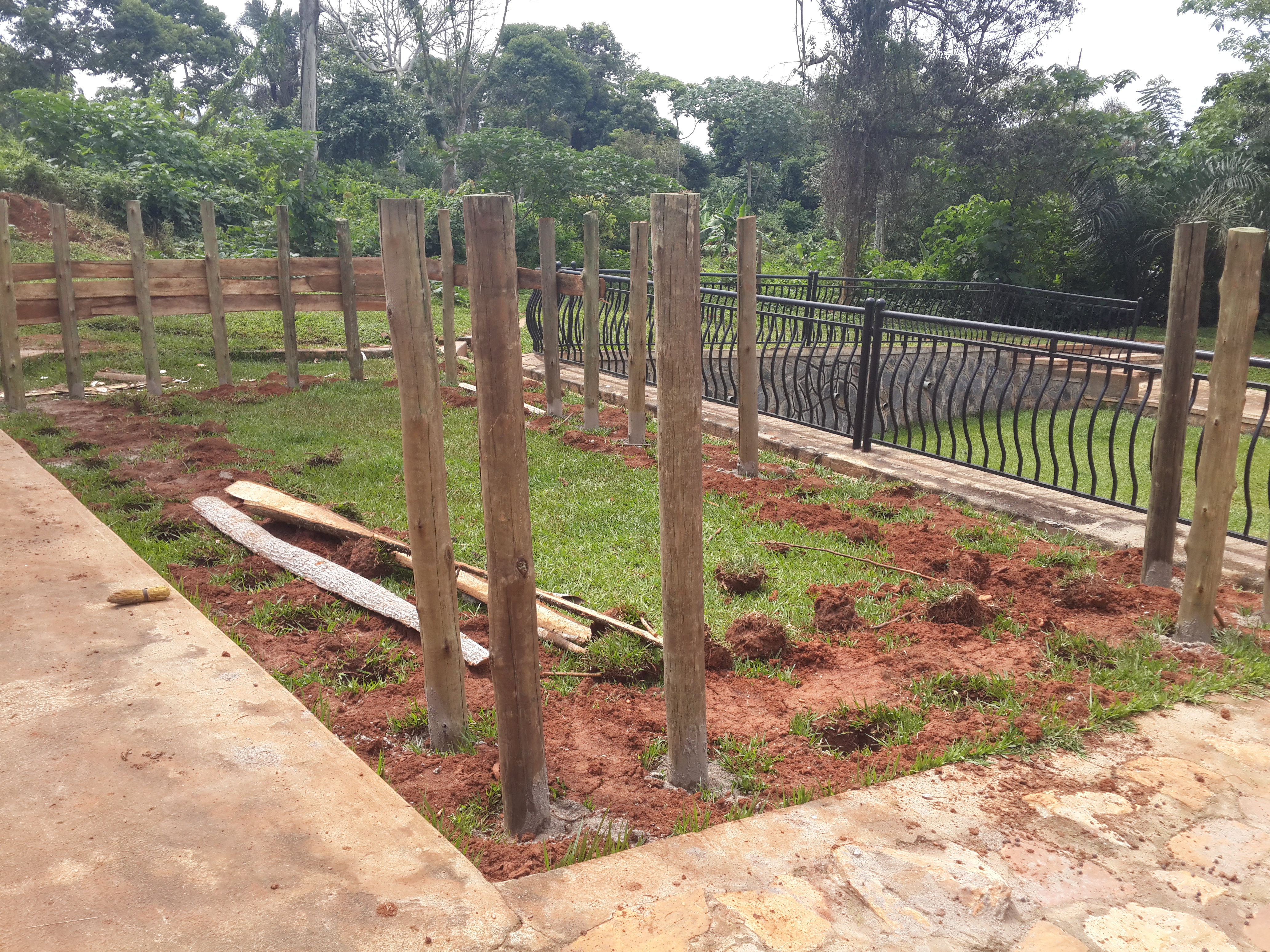
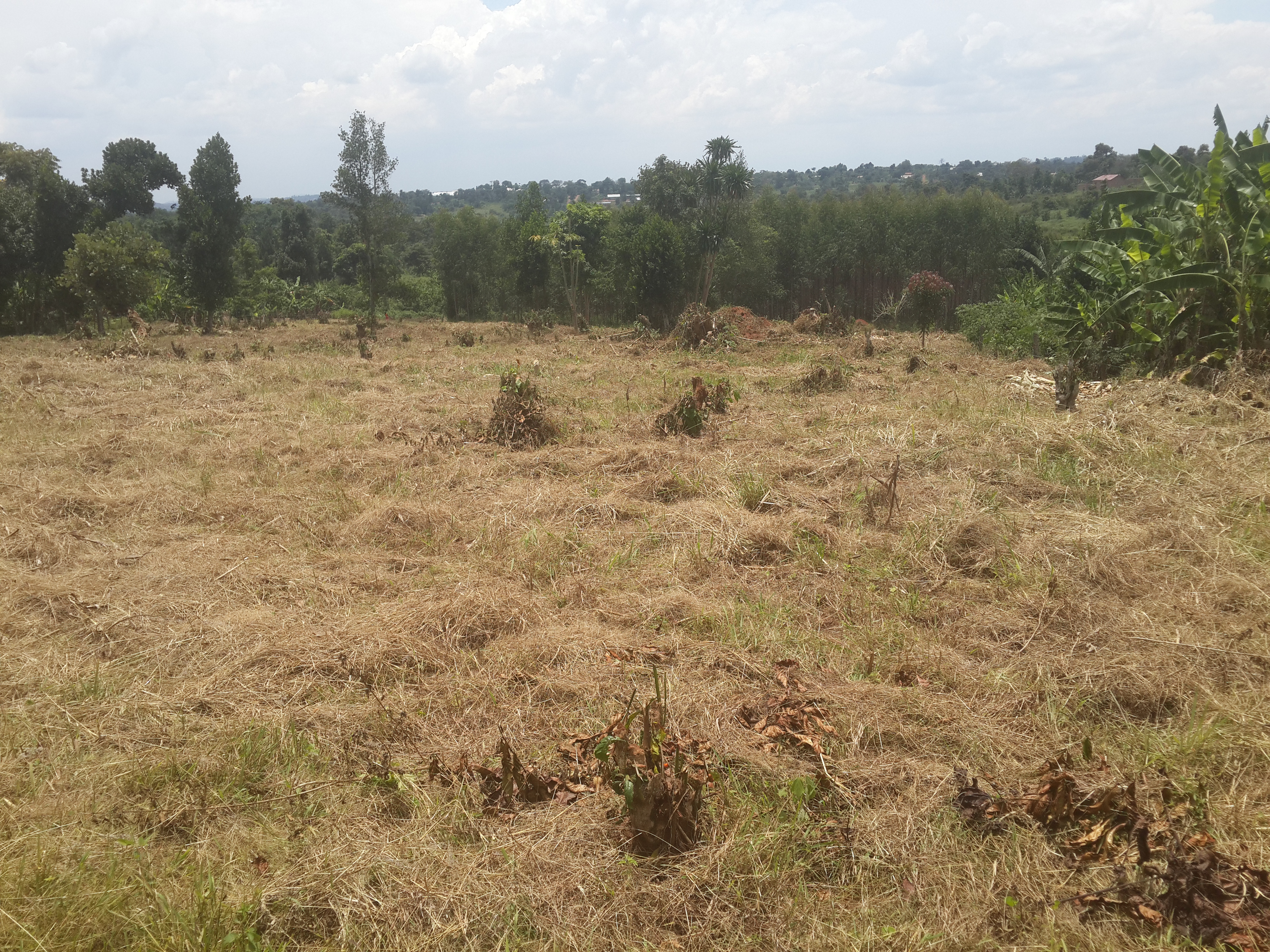
Settlement and bio-filter tanks

Top view of RAS
Share this:

  • Click to share on X (Opens in new window) X
  • Click to share on Facebook (Opens in new window) Facebook
Like Loading...
agribusiness fish ras Leave a comment

9 month Poultry Report Card

June 9, 2016 by ssmusoke

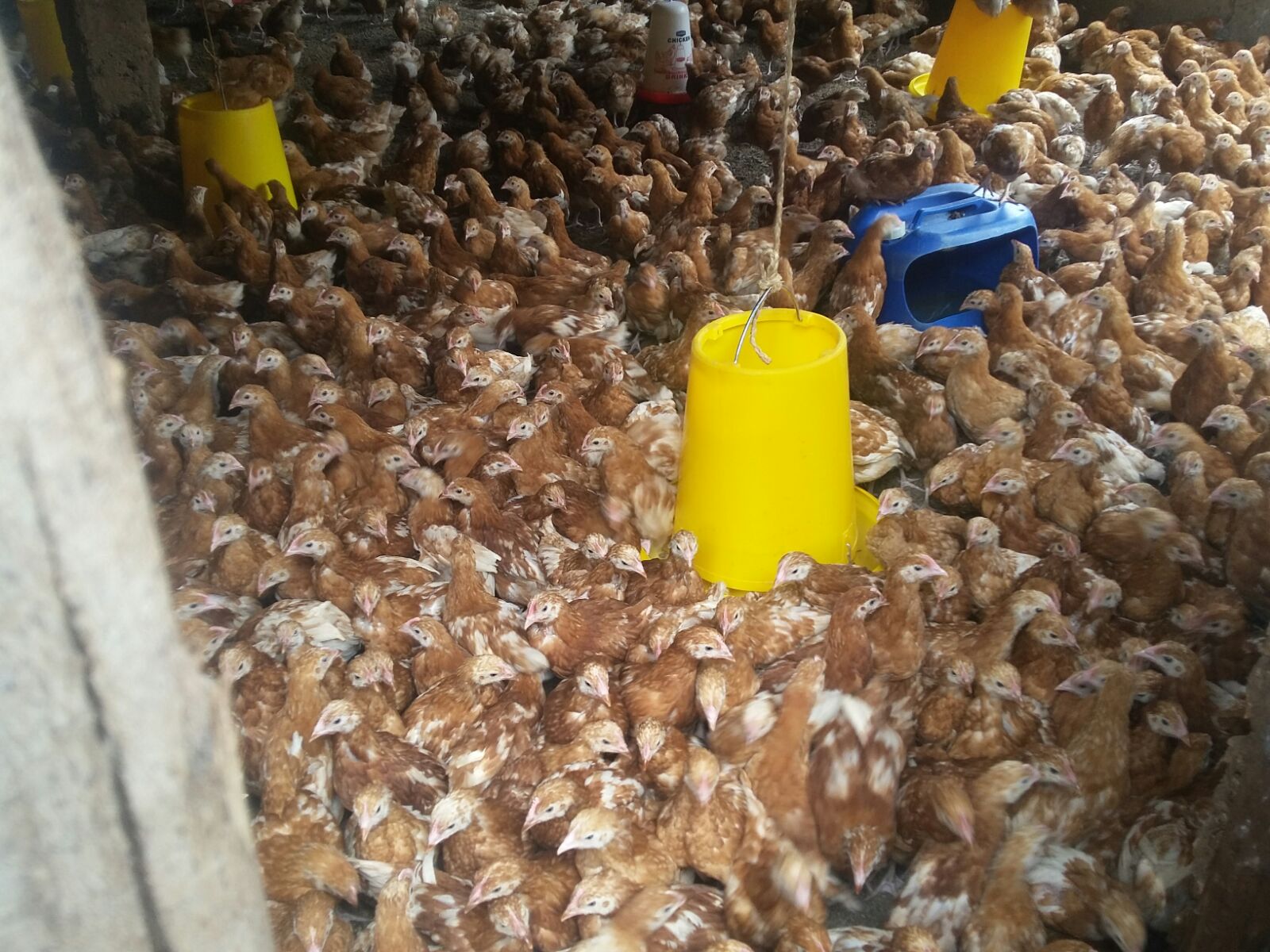
A exciting day, our new batch of Isa Brown layers from Asiima Agri-Consult Limited makes 36 weeks and 2 days, finally hits 90% productivity. The productivity journey has been as follows:

  • First egg – 19 weeks
  • 85% to 87% for 10 weeks straight from week 27 to 36

Our secret so far is building on prior experience:

  1. Feed quality – this is outsourced to a supplier whose quality and reliability have been consistent over r the last 3 years
  2. Formula – we r using a basic formula to leave room for improvement as the birds grow older
  3. Biosecurity – use lime at the entrance, also adding a little to the litter, routine spraying outside the houses on a weekly basis. Nobody is allowed into the site – not guests
  4. Vigilant management – the operations manager spends an equivalent of 3 days at the site every week with random visits to support farm management
  5. Fanatical record keeping – diligent record keeping to track trends, and spot patterns in behavior
  6. Fortnightly assessment by a vet as an preventive management pattern

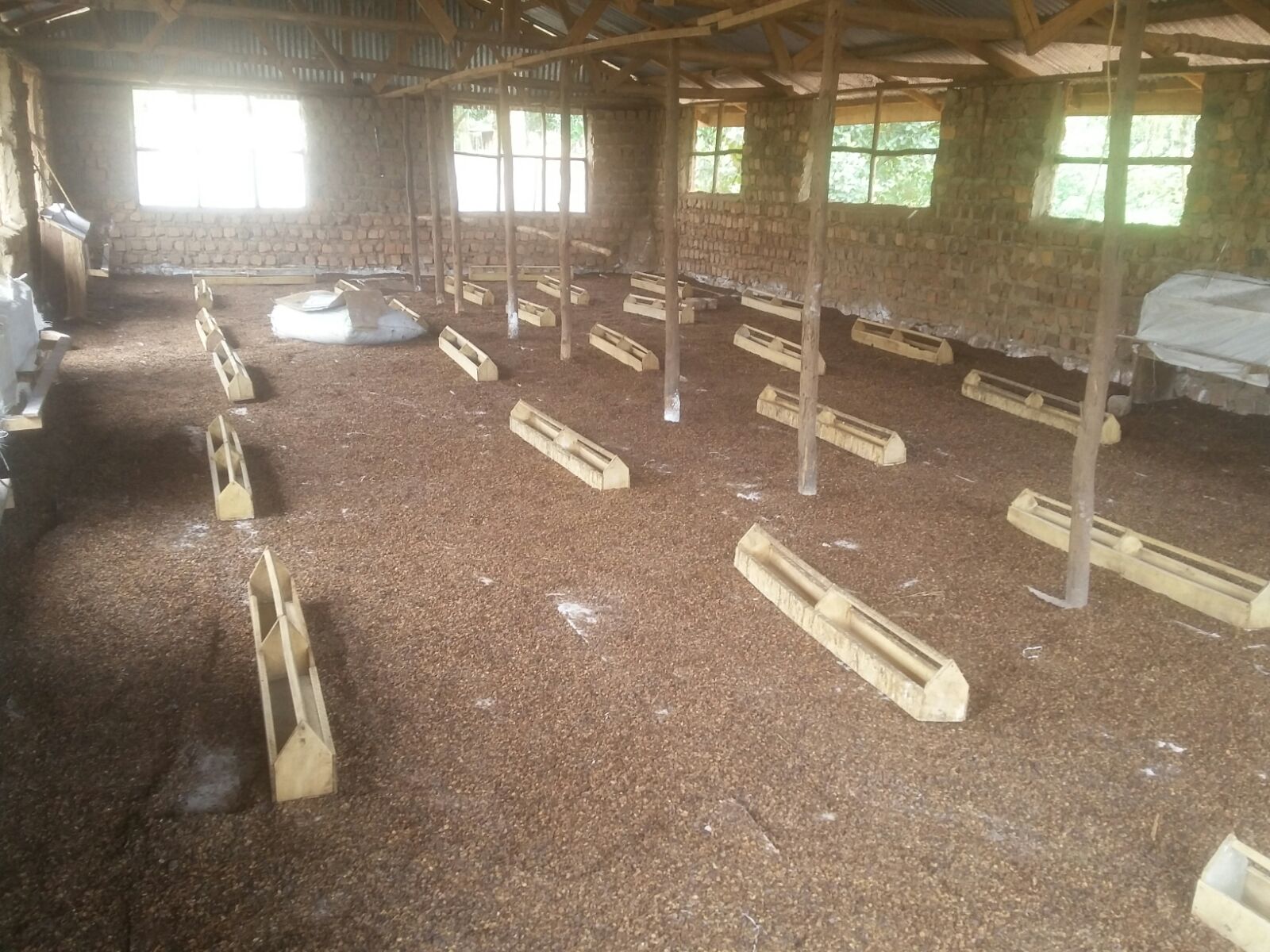
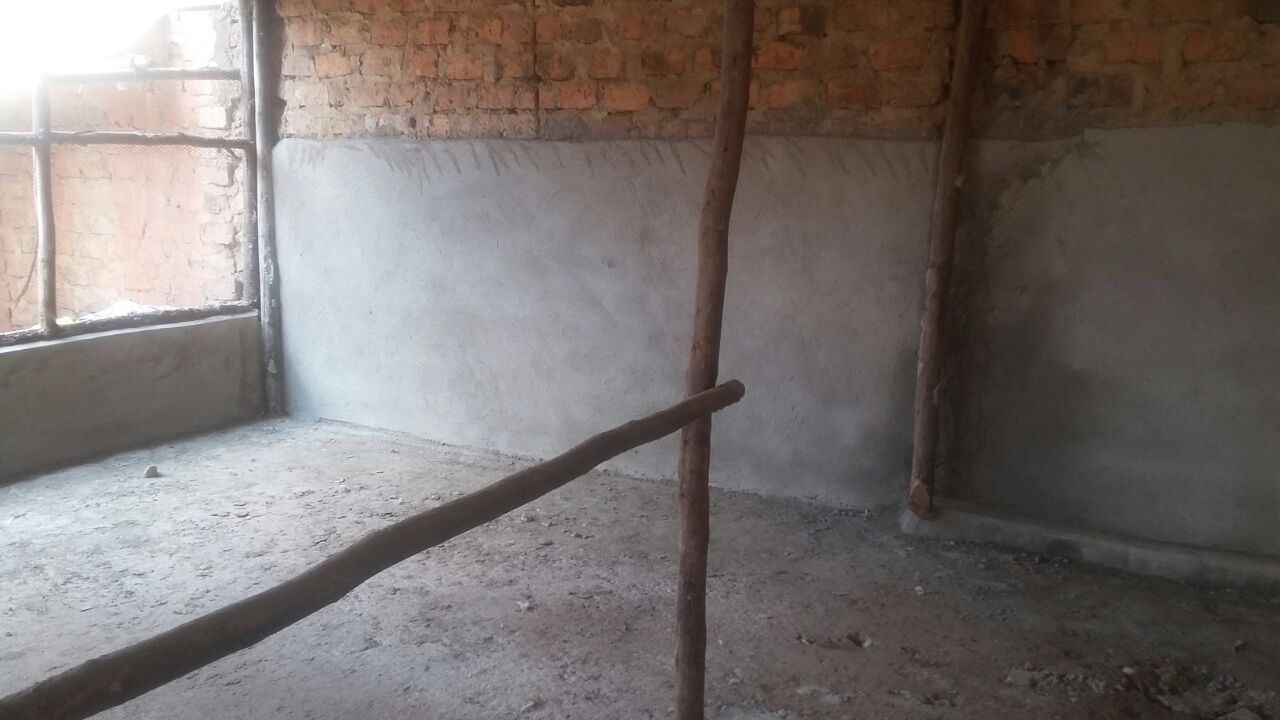
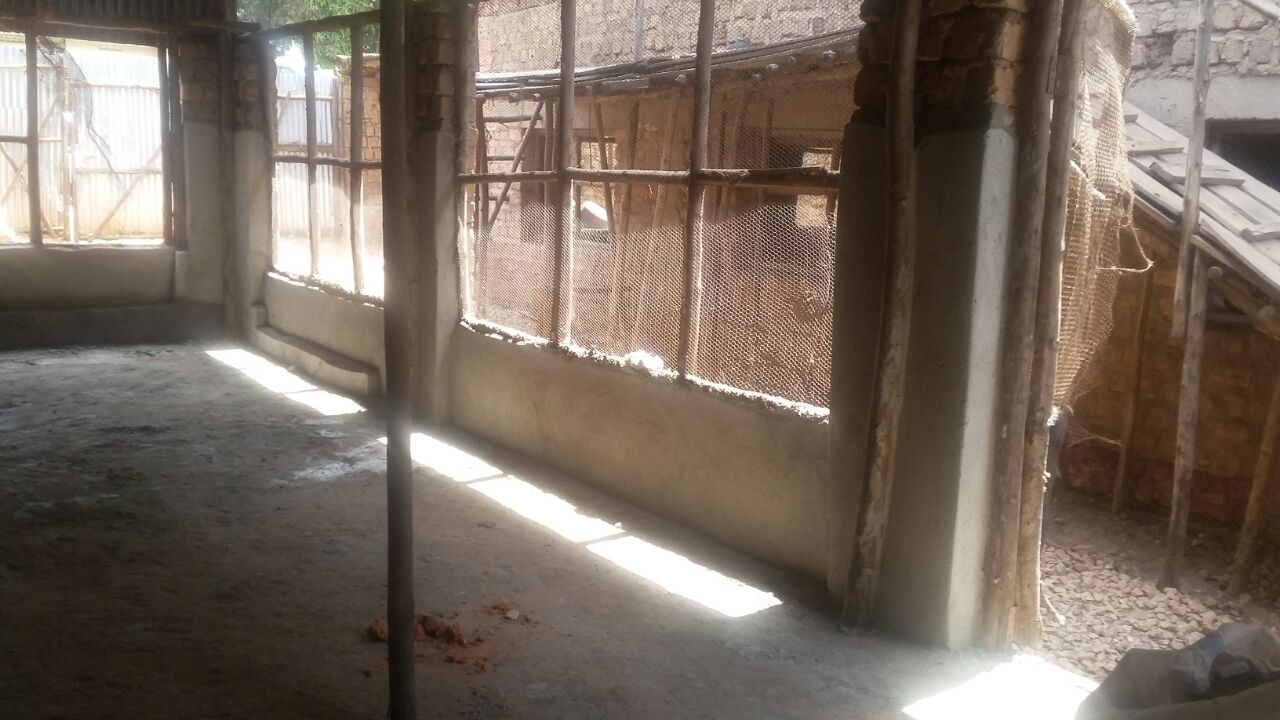
At the same time we are preparing for a new batch of chicks, so repairs to an existing house are underway by plastering the walls exposed to the birds, repairing the floor and replacement of chicken wire mesh.

Once the repairs are completed, a contractor has been hired to disinfect the house which will be the subject of another sharing session

image

image


Share this:

  • Click to share on X (Opens in new window) X
  • Click to share on Facebook (Opens in new window) Facebook
Like Loading...
livestock poultry Leave a comment

6 months Aquaculture Report Card

May 21, 2016 by ssmusoke

6 months down the road from when we started the aquaculture project, growing tilapia, this is our half year report card:

What Went Well

  1. There are now two tanks of 3000 (6 month old fish) and 6,500 (2 month old fry)
  2. Acquired fresh water testing kits to ascertain the quality of water at changing, however the team better understands how to use behavior cues like response to feeding, color of water to compliment the water testing
  3. Changed feed providers from Ugachick to Sabara feeds which provide better floating capability, at half the price and the fish seem to prefer them too.

What Did Not Go Well

  1. Bought too much initial feed – about 60kg due to recommendation from a sales agent at a feed supplier on later analysis found that they did not even understand the core numbers for the feed they were selling
  2. Initial tank design was using plastic sheeting with wooden poles – struggled alot with maintenance of the tank which was 27″ x 12″
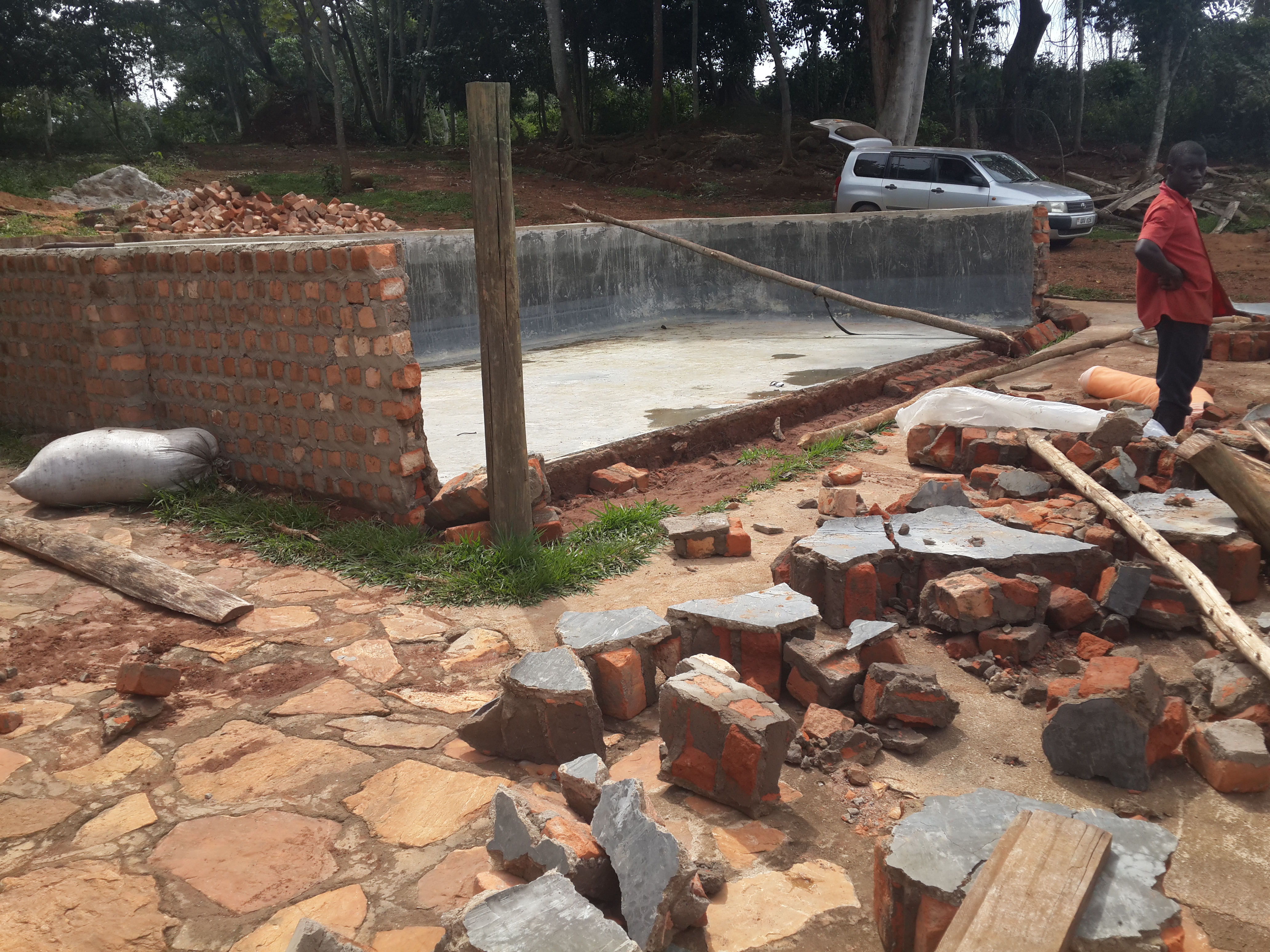
  3. When we moved to concrete tanks, there were structural weaknesses in the construction that led to one of the tanks breaking fortunately with no injuries. The breakage also damaged the plastic sheeting tank forcing an emergency evacuation of all the fish.
  4. The day of the incident with the tanks, was the same day we had 10,000 new fry from the hatchery, so we had no choice but mix 4 month fingerlings with the fry together in a single tank. And the older fish ate the fry!!! Who can believe that Tilapia are cannibalistic – stress, cramped conditions may do that

What does the future look like

  1. Planning to purchase and setup a solar driven submersible pump to support aeration to improve stocking density
  2. Setup a third tank to help reduce the sell off cycle times

As always a couple of photos …

Collapsed tank side

Collapsed tank side

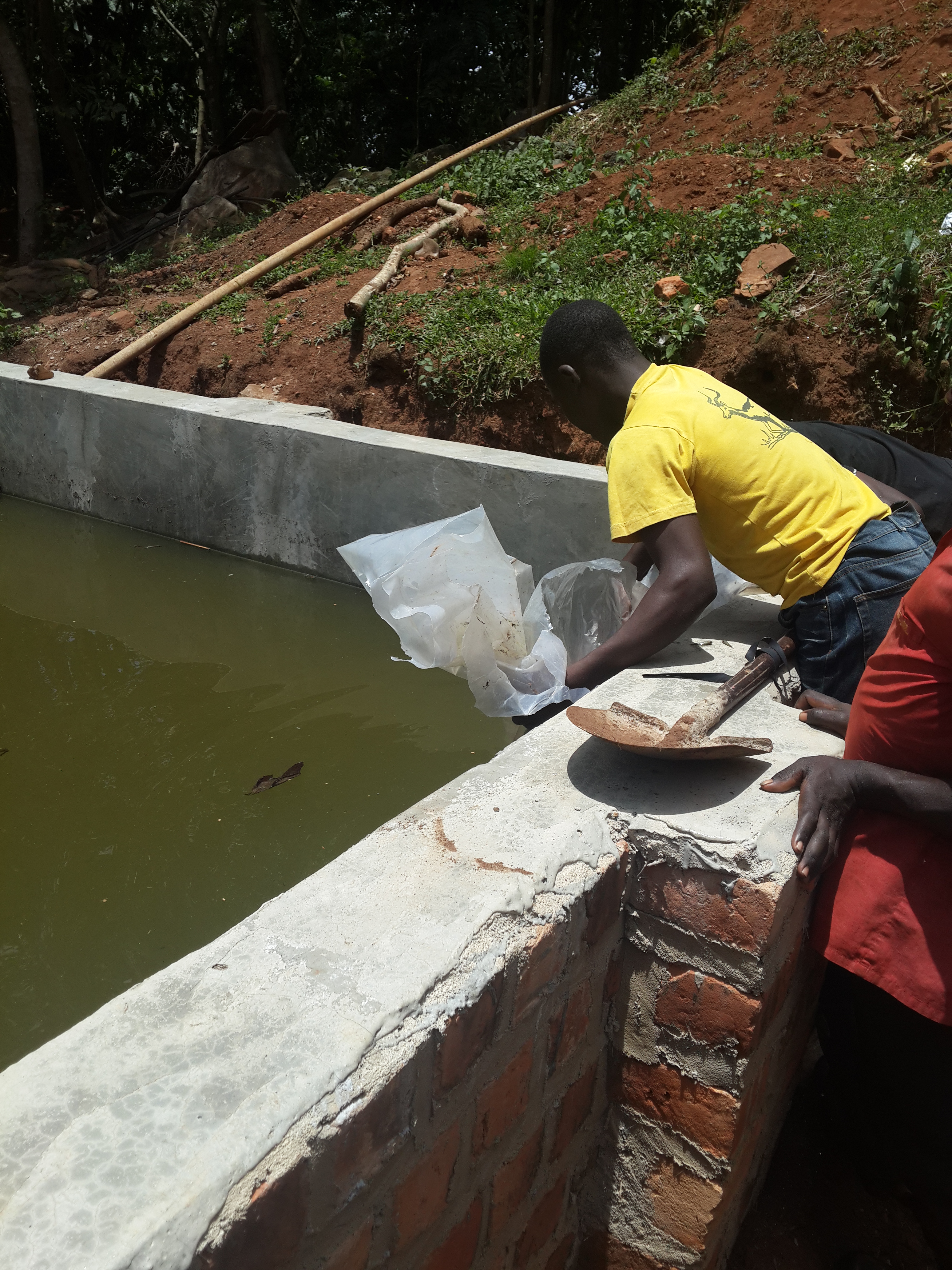
Carrying fish to new home

Carrying fish to new home

Putting the fish in their new home

Putting the fish in their new home

Reinforced tank

Reinforced tank

Reinforced concrete tank that had earlier failed

Reinforced concrete tank that had earlier failed

Feeding 4 month old fish in the new tank – May 2016

Share this:

  • Click to share on X (Opens in new window) X
  • Click to share on Facebook (Opens in new window) Facebook
Like Loading...
fish Leave a comment

Poultry Feed Economics 101 – Changing Feed Supplier Scenario 

February 4, 2016 by ssmusoke

Genesis East Africa

This is an interesting scenario brought about by Dr. Samuel Sewagudde of Genesis East Africa Ltd in one of a poultry Whatsapp group that highlights the challenges poultry farmers face in their business choices. I will use this scenario to provide step-by-step analysis of how to build the data for decision making.

Speaking of Economics, Catherine usually buys layer feed from Matama Feeds Ltd at UGX 800 sh a kg and her birds lay  averagely at  72%. At a recent Farmers Expo she met Augustine who works for Mulegi High Quality Feeds Ltd who convinced her that she would achieve 80% production if she uses Mulegi feeds. Mulegi layer feeds cost UGX 1000 sh per kg. Now if Catherine sells a tray of eggs at UGX 8000, Should Catherine switch and use Mulegi feeds?
In this computation the following assumptions have been made:
  1. Each bird eats 125g of feed per day
  2. The costs of the feeds include transportation so no additional costs are incurred with the feed
  3. There are no additional costs incurred in the sale of the eggs
Using the above information:
  1. Matama feeds cost UGX 100 per day while Mulegi Feeds cost UGX 125 per day
  2. At 72% production each bird generates UGX 192 per day (8000 * 0.72 divided by 30) while at 80% production the revenue per bird rises to 213/= (8000 * 0.8 divided by 30).
  3. The increase in cost of feed is UGX 25/= per bird per day while the increase in revenue is UGX 21/= per bird per day
Therefore changing feed providers means that Catherine will spend an additional UGX 4/= per bird per day, therefore the increase in production does not meet the increased costs of feed.
The moral of the story therefore is increased production does not always translate to increased profitability

Share this:

  • Click to share on X (Opens in new window) X
  • Click to share on Facebook (Opens in new window) Facebook
Like Loading...
agribusiness livestock poultry 1 Comment
Finished tank longitudinal view

Migration to Concrete Fish Tanks

February 2, 2016 by ssmusoke

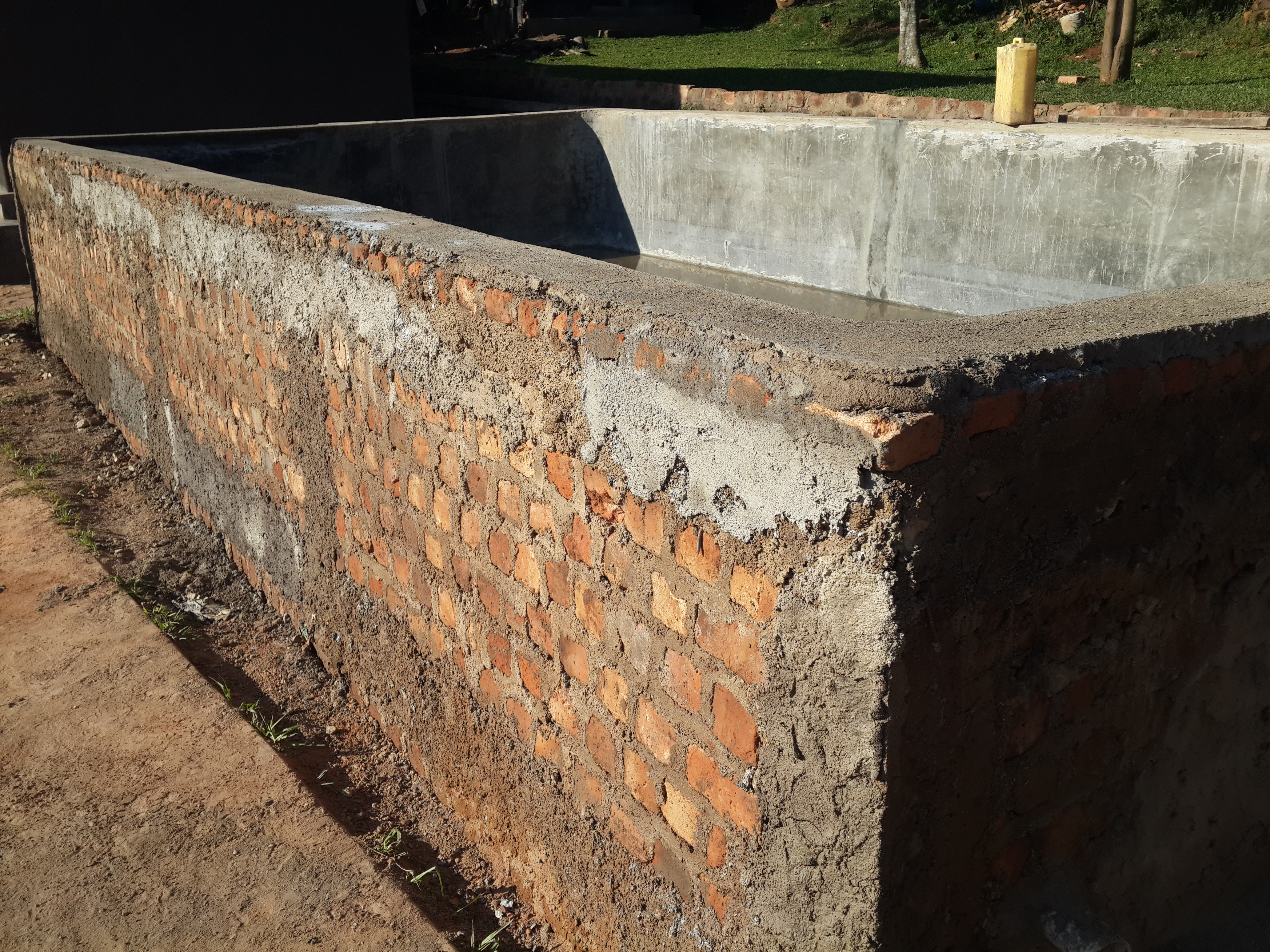
After a 1 month test of using polythene tanks with wooden supports which seemed lower cost at the beginning, we have decided to move to concrete tanks that surprisingly have a similar capital cost envelope with the benefit of longer life span.

The design of the tanks is:

  1. Bricks laid in header bonds (with the small face of the brick laid at the side)
  2. An reinforcing column every 6 feet on the short side and 10 feet on the longer side to provide additional strength
  3. A finer mix of the mortar used for laying the bricks (3 wheelbarrows of sand per 50kg bag of cement)
  4. Bottom was a concrete slab with a slight incline of the floor towards the outlet to help with cleaning
  5. The finishing includes an additional mix of water proof cement in a ratio of 1kg of waterproof cement per 50kg of regular cement.
  6. The outlet is placed 1 foot from the bottom so that not all the water drains out of the tank in case of accidental leakage

As always a picture is worth a thousand words:

Tank frame with header brick layout

Tank frame with header brick layout

Finished tank longitudinal view showing location of the outlet

Finished tank longitudinal view showing location of the outlet

Finished tank longitudinal view 2

Finished tank longitudinal view 2

Inside view of the tank

Inside view of the tank

Lengthwise view of the tank

Lengthwise view of the tank

Share this:

  • Click to share on X (Opens in new window) X
  • Click to share on Facebook (Opens in new window) Facebook
Like Loading...
fish livestock 1 Comment
All settled in - 4

New Fish Stock – Close of 2015

December 31, 2015 by ssmusoke

The day began very early at about 5.30am with a fast drive to Ttomi, Buloba about 9km from Busega Round about to the Aqua Consults Fish farm to pick up a batch of 4,000 1 month old Tilapia fry.

The fry were already conditioned in their “brooder” pond, so just had to be collected and counted. The counting was an interesting exercise in estimation, as a sample was picked up in a sieve – then manually counted to provide a basis for estimating how many “sieves” were required.

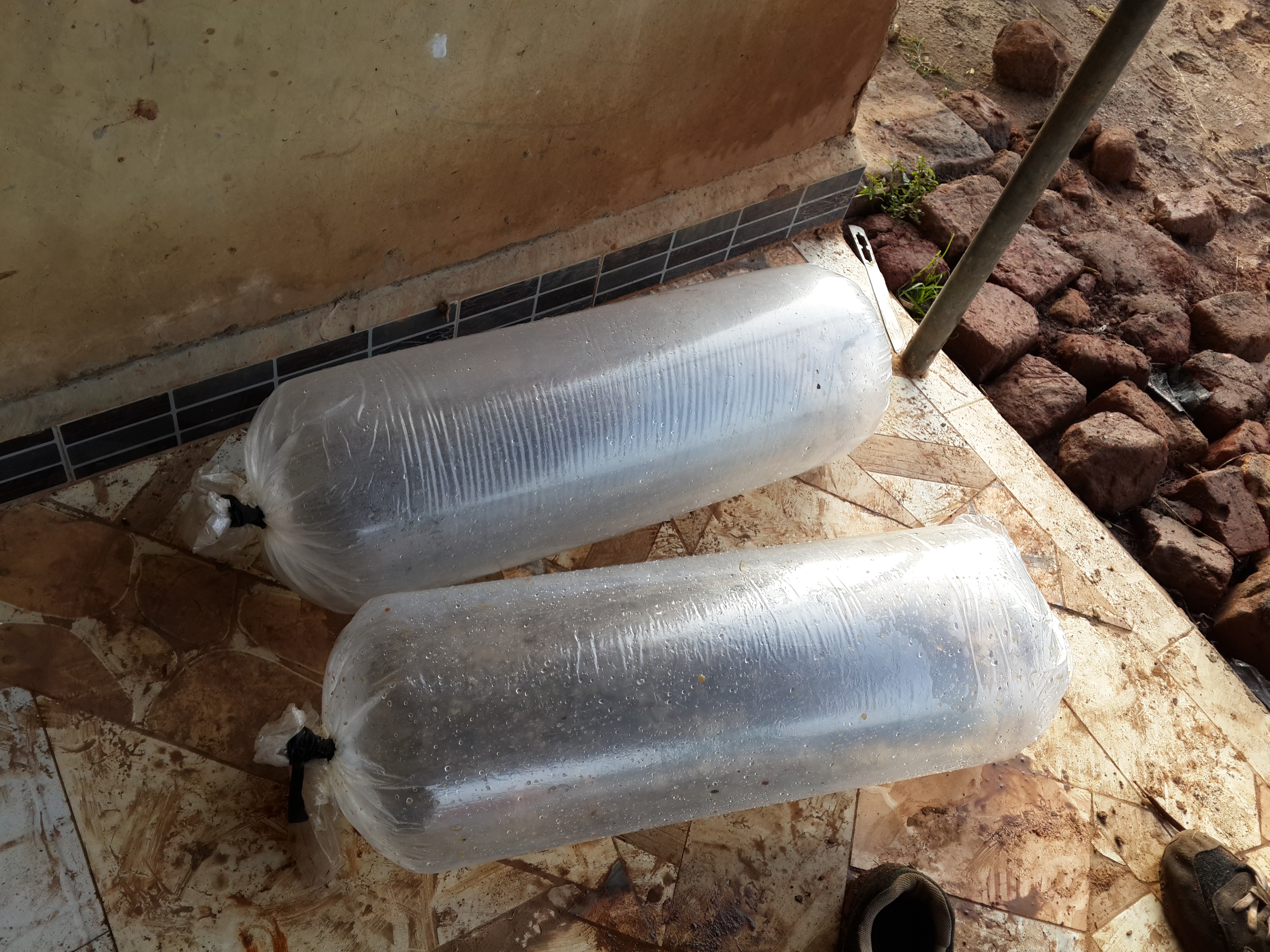
Once the fry were counted, they were packed into polythene bags with about 5 litres of water which included salt to help ease the stress, and filled up with oxygen from a tank and then tied with rubber strips into an airtight container.

The journey to the farm site was a compromise between driving as fast as we could on a murrum road with road works and over shaking the fry which would increase stress.

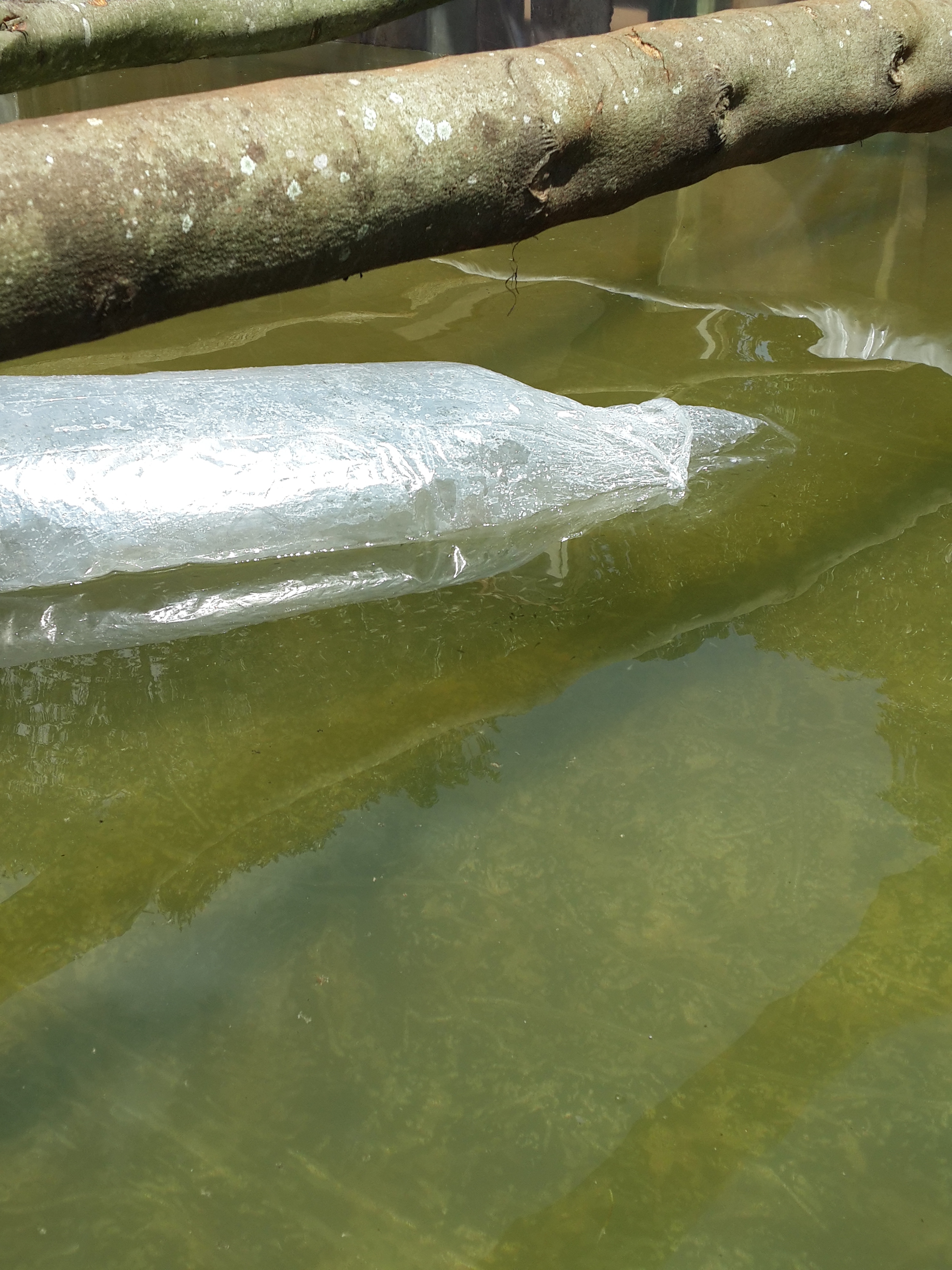
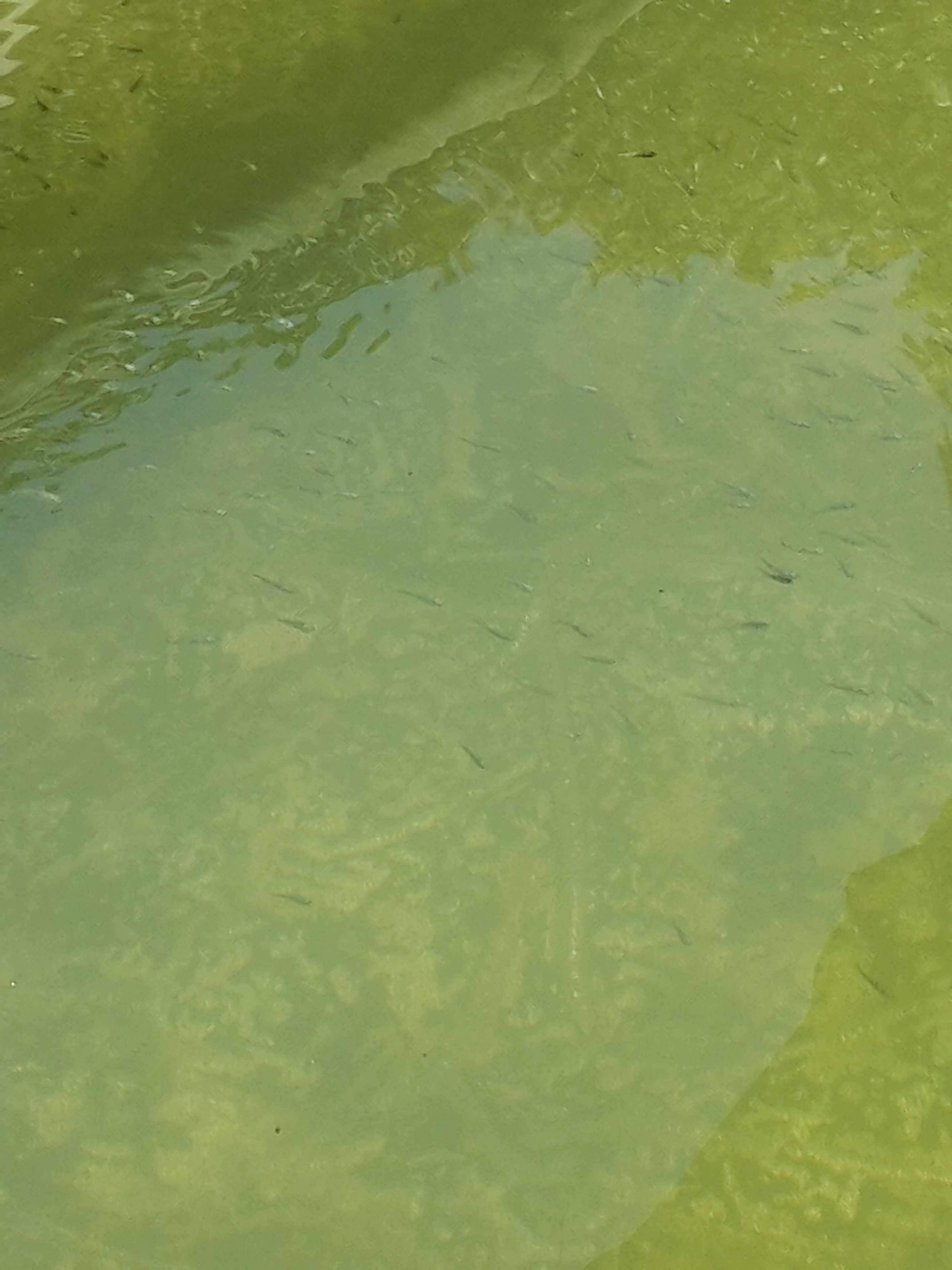
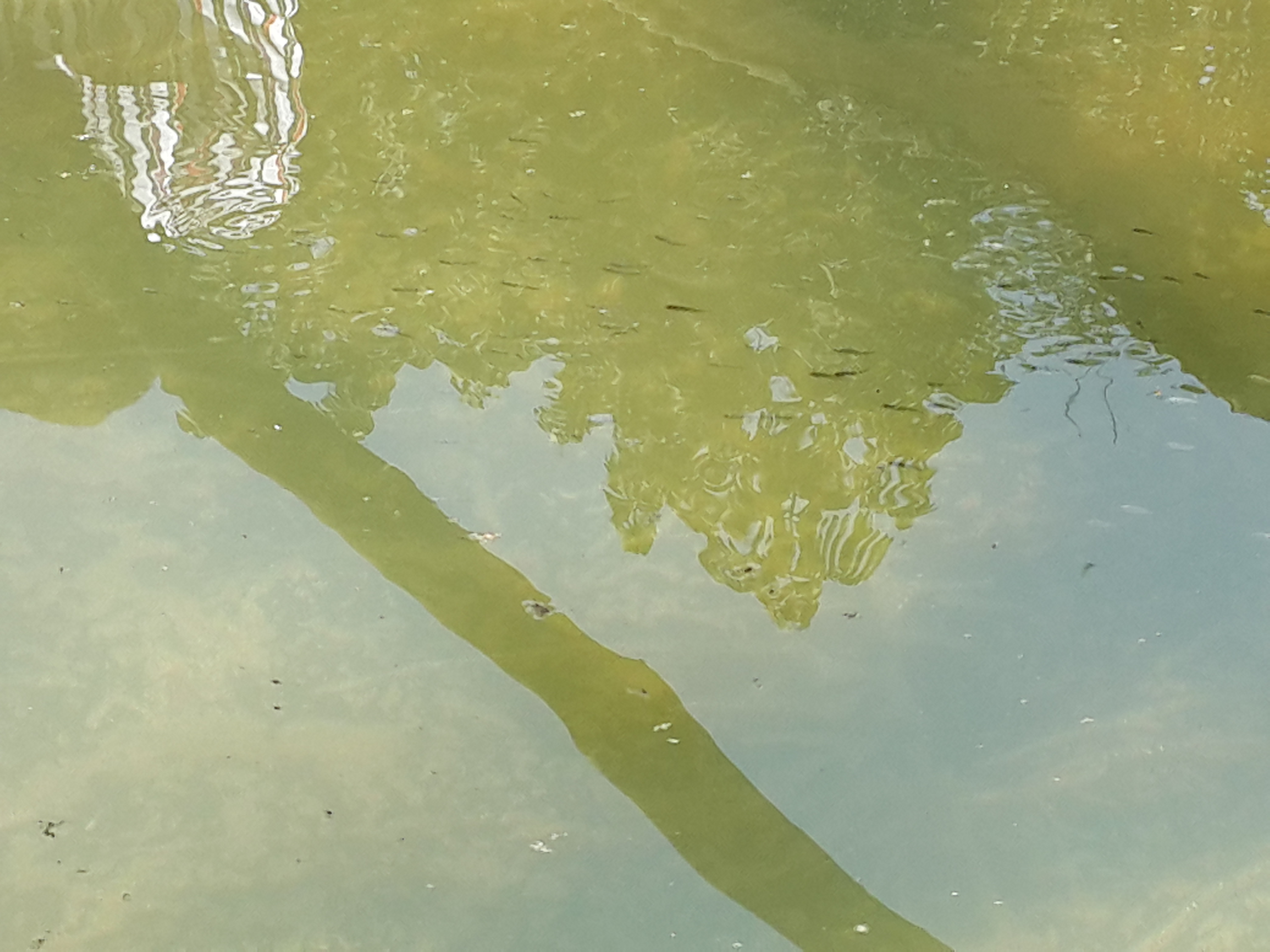
Once we got to the site, we first placed the polythene bags in the tank for 15 minutes so that the temperatures would be consistent to prevent temperature shocks, then opened the bags for water to flow from the tank. The fry moved out of the polythene through the space of 1 hour.

The fry were not to be fed on Day 1, to give them time to adjust to their new environment

All in pictures … Happy 2016!!!

2015-12-30 07.12.14

Counting the fry in a sample

Counting the fry in a sample

Counted fry ready for packaging - 1

Counted fry ready for packaging – 1

Counted fry ready for packaging - Closeup

Counted fry ready for packaging – Closeup

Airtight sealing of the container

Airtight sealing of the container

Filling the fry travel container with oxygen

Filling the fry travel container with oxygen

Fry packed and ready to go

Fry packed and ready to go

Releasing the fry into their new home - no hurry

Releasing the fry into their new home – no hurry

Releasing the fry into their new home

Releasing the fry into their new home

All settled in - 1

All settled in – 1

All settled in - 2

All settled in – 2

All settled in - 3

All settled in – 3

All settled in - 4

All settled in – 4

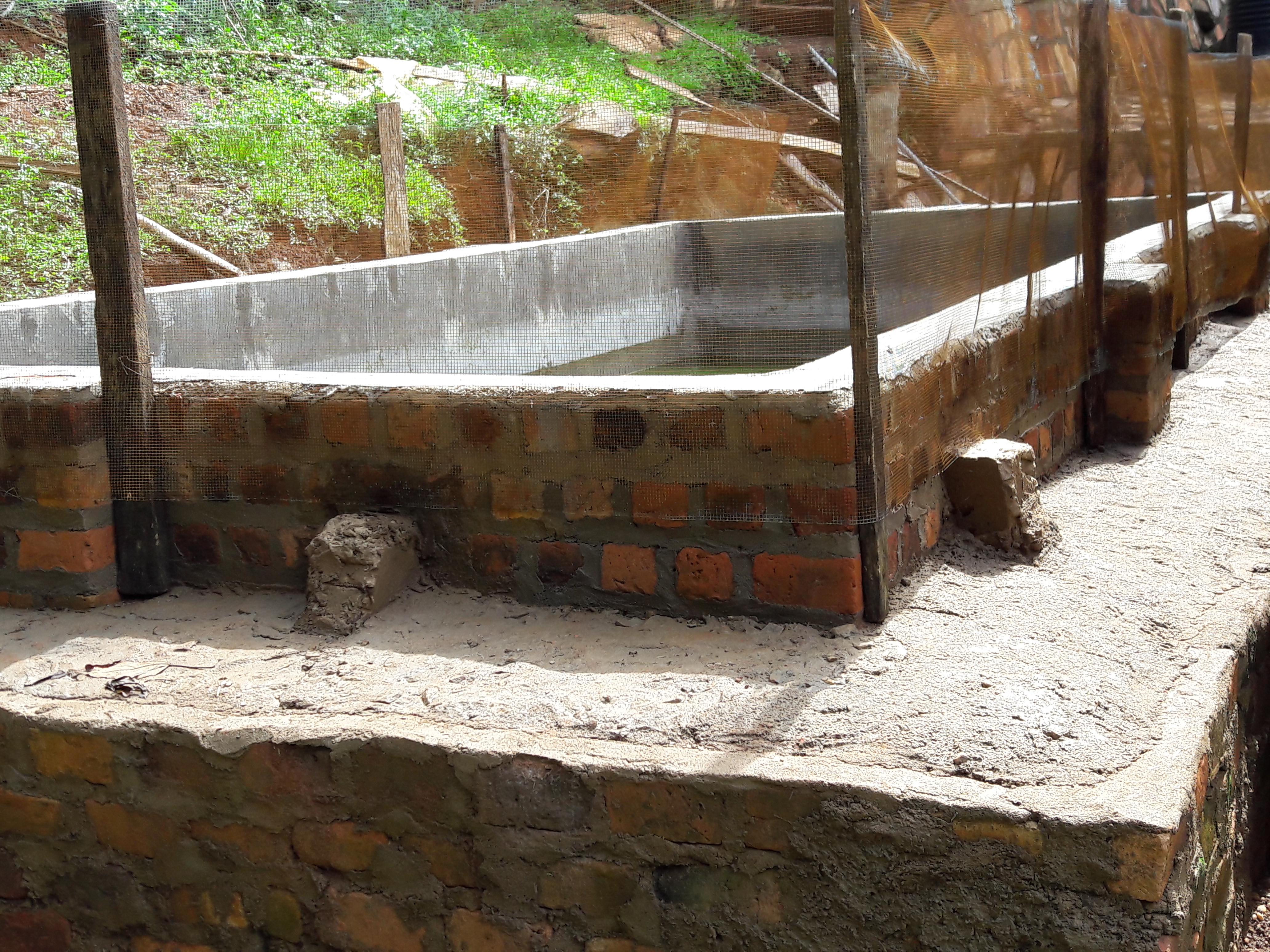
Net for protection from predators - monkeys, lizards, birds

Net for protection from predators – monkeys, lizards, birds

Share this:

  • Click to share on X (Opens in new window) X
  • Click to share on Facebook (Opens in new window) Facebook
Like Loading...
fish livestock Leave a comment

Fish Tanks Testing

December 29, 2015 by ssmusoke

The fish tanks are almost ready, but what it brought back were ideas from opensource technology – release fast release often & test test test.

The story continues, after the initial construction of the structure, a base of sand was added to provide a smooth foundation on top of which was overlaid a 1000 gauge black plastic sheet to provide a cushion against stone damage to the water holding clear plastic sheeting. The sheeting is sold in rolls of 5′ x 150m, so 5 sheets had to be joined side by side to provide a 25′ width sheet to go across the tank, having 4 joints. Once the sheet was placed in the tank, we started pumping water into the sheeting, patching leaks as they were identified. It was a very tedious and slow process involving alot of manual labor.

Once that was done, the tank was filled to a height of 5′, it will never hold that much water, but it provided a stress or load testing opportunity which showed that some of the corner poles needed to be reinforced.

One that was done, all is well and the tank is holding on until the fish are to arrive ….

Plastic Sheeting to add water added for the first time

Plastic Sheeting to add water added for the first time

Water test to find leaks

Water test to find leaks

Water test again for more leaks

Water test again for more leaks

Share this:

  • Click to share on X (Opens in new window) X
  • Click to share on Facebook (Opens in new window) Facebook
Like Loading...
fish livestock Leave a comment

Week 7 – Separation of Birds into 2 Rooms

November 18, 2015 by ssmusoke

Its now week 7, and time for us to separate the birds into two separate rooms to increase space available for each bird. This was part of the plan as running two brooders is a hassle with no specific benefits.

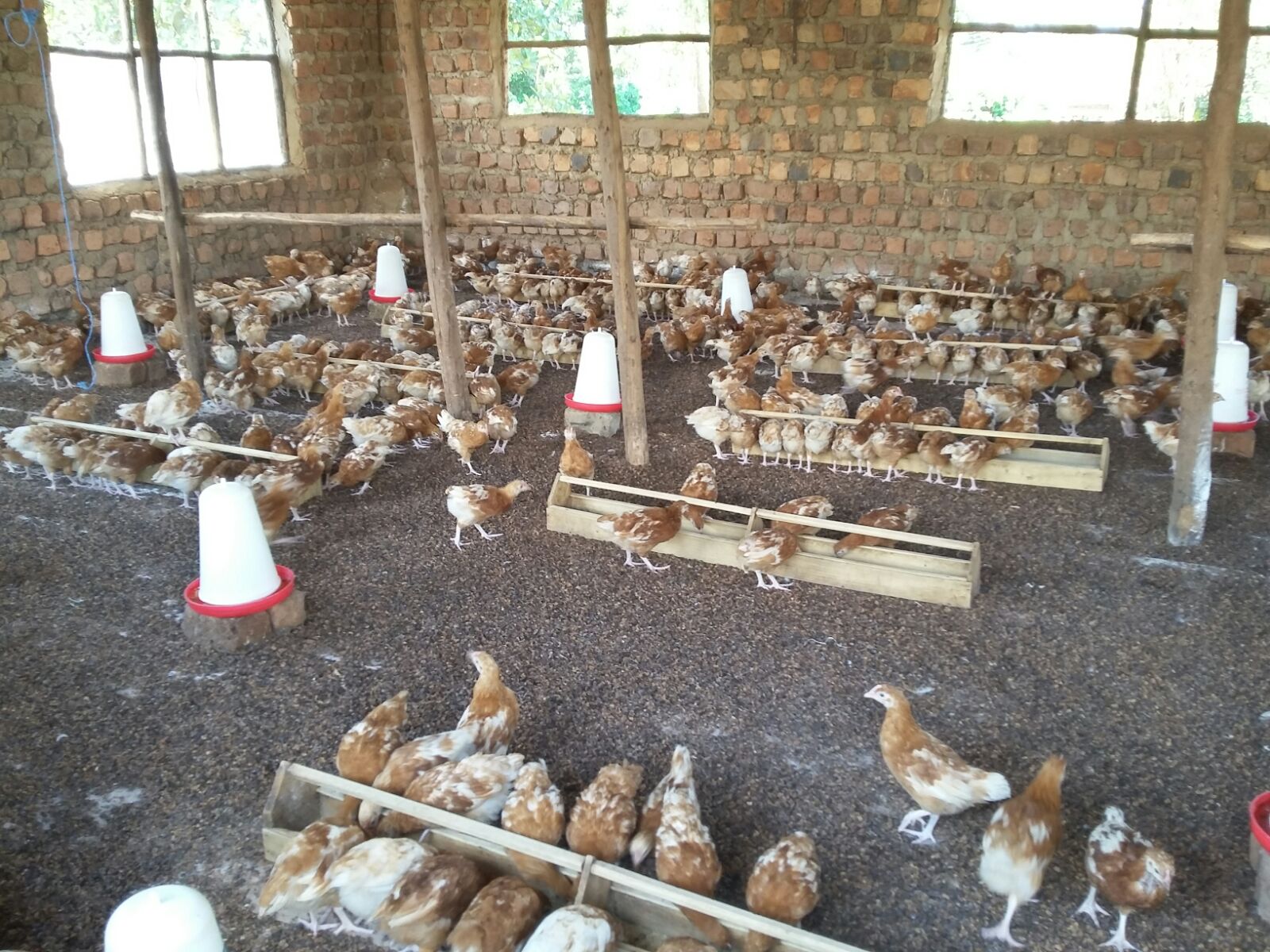
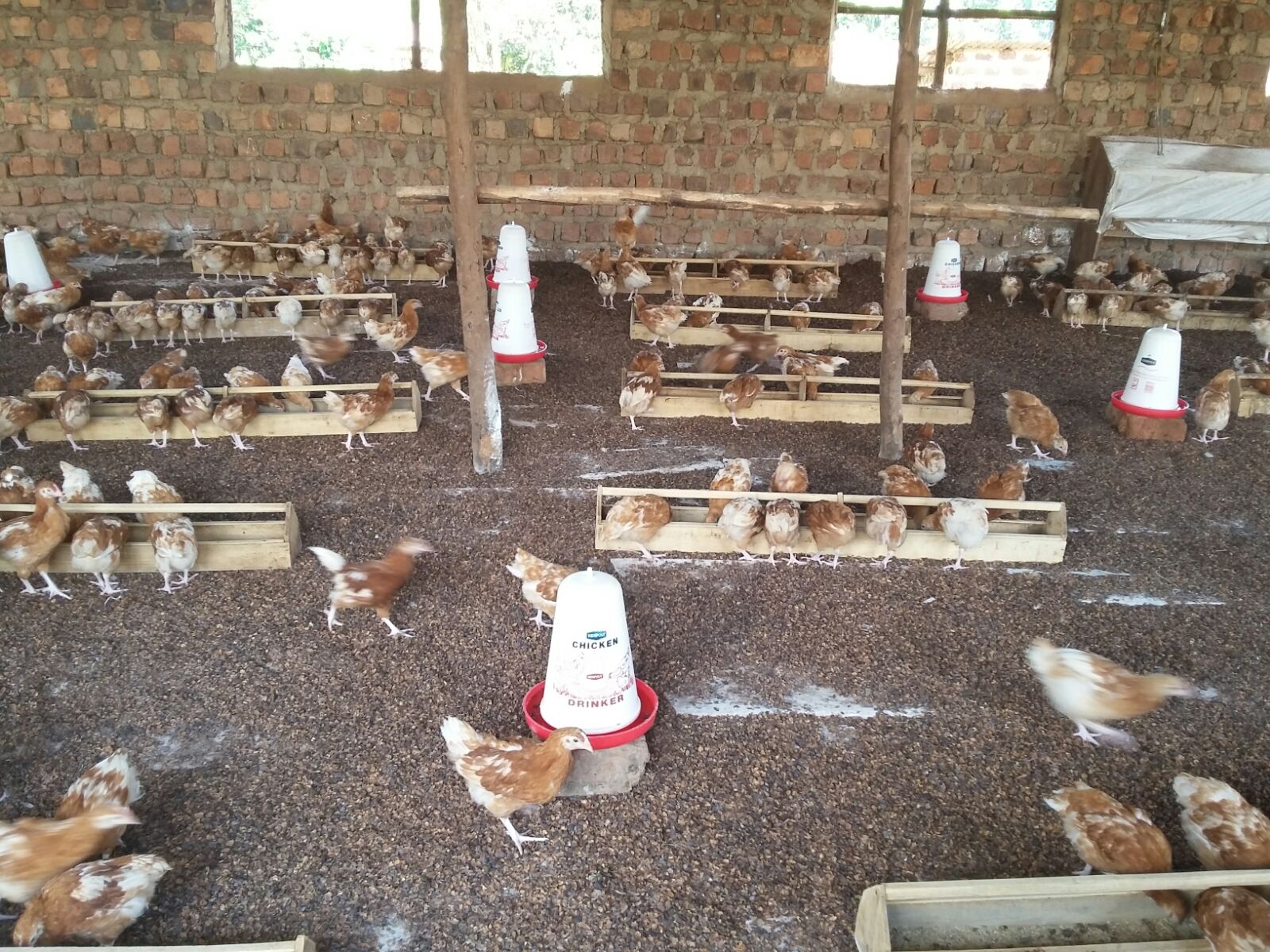
Now there are 1,215 birds in each house of giving about 1.13 sq feet per bird.  In the new house we mixed the husks with lime, as well as sprayed a disinfectant over the husks & the room during the course of 2 weeks before the move.

Before Separation – Brooding House and New Home

Birds before  separation

Birds before separation


Feeder Layout - Top End

Feeder Layout – Top End

Feeder Layout - Bottom End

Feeder Layout – Bottom End

After Moving into New Home

Happy Spacious Birds Lower End

Happy Spacious Birds Lower End

Happy Spacious Birds Upper End

Happy Spacious Birds Upper End


Feeding Time in our new home

Feeding Time in our new home

Share this:

  • Click to share on X (Opens in new window) X
  • Click to share on Facebook (Opens in new window) Facebook
Like Loading...
livestock poultry Leave a comment

Fish Farming Project – Construction Stage 1 Progress

November 16, 2015 by ssmusoke

The fish farming project has now kicked off with the commencement of construction.

Phase 1 to be completed in 2015 shall include:

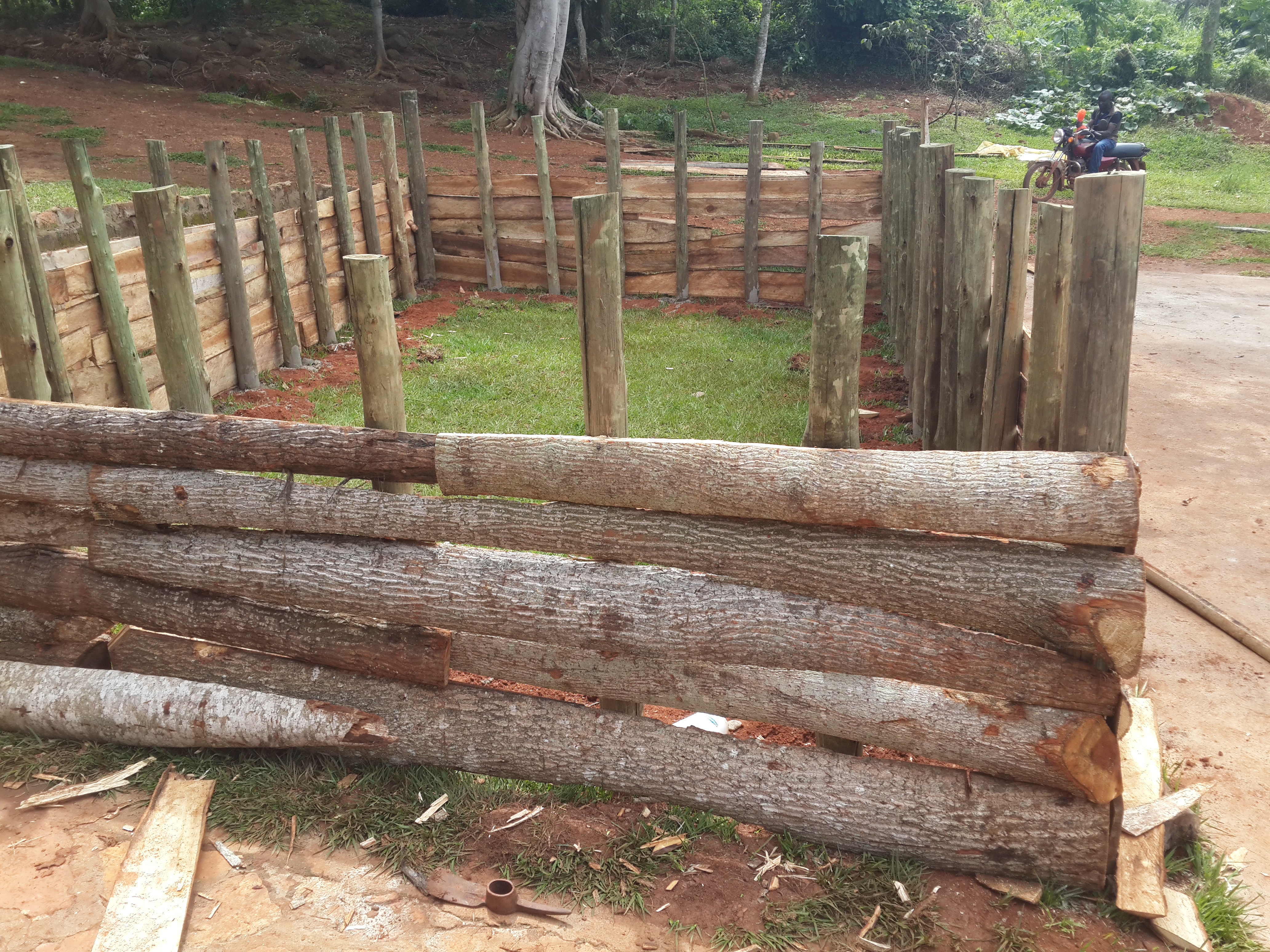
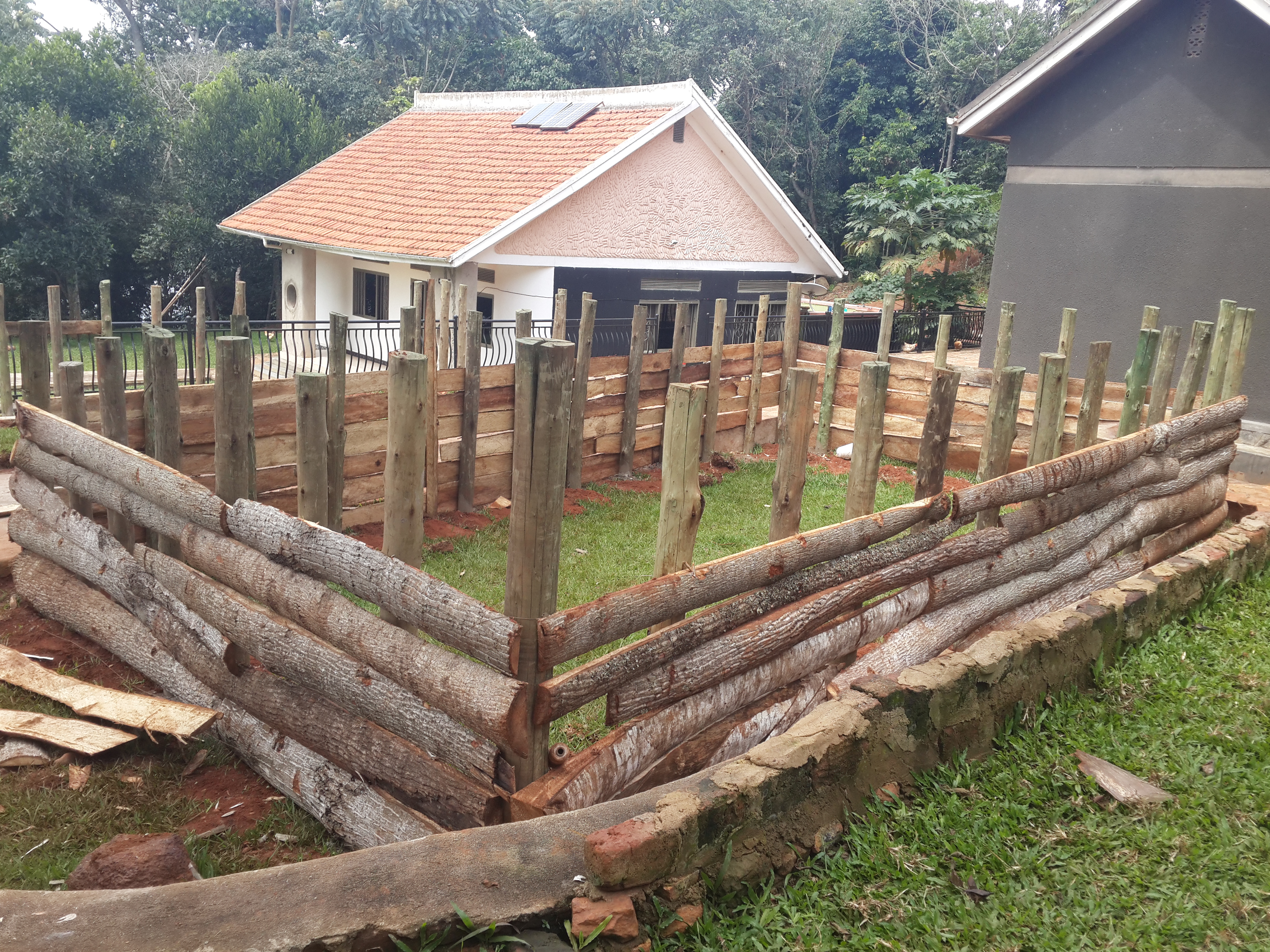
  1. Construction of two fish tanks using makooko (bark from trees) and treated poles (ebikonodo). The poles are placed 2′ apart in order to provide a strong structure against the weight of the water in the tank.
  2. Building of an overhead “green-house” like structure to help maintain the temperatures which fluctuate rapidly due to proximity to Lake Victoria
  3. Fencing of the area to keep out monkeys and monitor lizards which are abundant in the area.

The fish type to be reared in the tanks is Tilapia Esculenta commonly known as Ngege.

Progress is shown in the photos below:

Fish tanks side view

Fish tanks side view

Tank A - Progress

Tank A – Progress

Tank A - Side View

Tank A – Side View

Tank A - Additional View

Tank A – Additional View

Tank B - Under Construction

Tank B – Under Construction

Share this:

  • Click to share on X (Opens in new window) X
  • Click to share on Facebook (Opens in new window) Facebook
Like Loading...
fish Leave a comment

Banana Plantation (Lusuku) Plans

November 12, 2015 by ssmusoke

The November rains (musenene) are here, so it is time for us to put into action our plan to add a 1.3 acre plantation of bananas as part of our food security metric. After discussion with a J. B. Wasswa (@jbkwasswa ) we have narrowed on having local varieties which are:

– Mabidde for making banana juice and beer (landrace variety)
– Gonja
– Sukari Ndizi – sweet or apple bananas
– Bogoya (Gros Michel) which are larger and less sweet than the ndizi
– Nakitembe – the indigenous traditional Ganda cooking variety of the landrace class
– Kibuzi
– Mpologoma

The land is gently sloping, about 30% incline so will include terraces to stop the downward flow of water, and which shall also be used as manure stores. For manure, we are targeting to use cow dung that has been through a biogas digester, mixed at about 10kg per square hole of dimensions 1′ wide x 1’ deep with spacing of 10’ between holes.

For intercropping we shall add ginger (Zingiber officinale Roscoe) in the next rain season that starts February next year.

Lusuku Area View 1

Lusuku Area View 1

Lusuku Area View 2

Lusuku Area View 2

Share this:

  • Click to share on X (Opens in new window) X
  • Click to share on Facebook (Opens in new window) Facebook
Like Loading...
crops lusuku gingerplantain Leave a comment

Post navigation

← Older posts
Newer posts →

Get In Touch With Us

P. O. Box 8563 Kampala, Uganda
Email: kungufarm at gmail dot com

Recent Posts

  • PoulTech – Digital Poultry Farm Management Tools
  • Disinfection and preparation of a poultry house before receiving new flocks
  • Building a Chicken House – Experience
  • 2024 – The year Local Chicken comes mainstream
  • How do I safely add local chicken from un-trusted sources to my home farm flock

Enter your email address to follow this blog and receive notifications of new posts by email.

Join 54 other subscribers
Blog at WordPress.com.
A Ugandan Farmer
Blog at WordPress.com.
Privacy & Cookies: This site uses cookies. By continuing to use this website, you agree to their use.
To find out more, including how to control cookies, see here: Cookie Policy
  • Subscribe Subscribed
    • A Ugandan Farmer
    • Join 54 other subscribers
    • Already have a WordPress.com account? Log in now.
    • A Ugandan Farmer
    • Subscribe Subscribed
    • Sign up
    • Log in
    • Report this content
    • View site in Reader
    • Manage subscriptions
    • Collapse this bar
 

Loading Comments...
 

You must be logged in to post a comment.

    %d