Get me outta here!

A Ugandan Farmer

Adventures of a farmer in Uganda who is learning on the job but is determined to succeed against all odds

Menu

Skip to content
  • Home
  • Terms and Conditions

Author Archives

ssmusokehttp://ssmusoke.comI am a technologist at heart working with software development teams deliver custom software for clients. In previous roles in other organizations, I have assisted customers identify user and business needs, defined technical specifications to meet those needs, evaluated vendor capability and supervised implementation of complex IT systems. I am passionate about growing the technology community in Uganda and on the continent. I believe in the mantra “Coded in Africa, for Africans by Africans”. My emphasis during this journey is to ensure that women are equal participants in the African technology revolution.
ssmusoke's avatar

2020 Plans

January 2, 2020 by ssmusoke

As the rest of the world is making New Year resolutions we have solidified our 2020 plans

  1. Grow current flock from 2,200 to 3,200 which is our installed capacity. This will enable us to leverage our 6 year learning journey and start turning it into profit
  2. Start livestock farming – this is part of our long term strategy of vertical integration and multiple revenue stream. The plan is
    • The livestock will be zero grazed and growing the numbers organically
    • Start goats herding from the does that we own but do not have a home. Construction of a goat pen
    • Diary farming – start with a heifer mid year as we figure out the feeding needs and processes
    • Immediately we shall get access to dung and urine which will improve the yields of our banana plantations
  3. One of our plantations seems to have a persistent infestation of Digitaria scalarum Chiov. (gramineae) commonly known as lumbugu, and despite all the hard work the soil quality too does not seem to be improving. So we are going to cut this down around the March rains, and plant sweet potatoes, followed by a maize & beans combo to provide alternate soil usage. This will provide a needed 18 month fallow period to better yields post 2021. The plan is to use the biomaterials – stems & leaves  mulch for the one which will be retained to give the necessary soil protection.

Looking forward to a busy 2020

Share this:

  • Click to share on X (Opens in new window) X
  • Click to share on Facebook (Opens in new window) Facebook
Like Loading...
agribusiness livestock lusuku poultry poultryproductivity Leave a comment

An Alternate Business Model for Small Holder Farmers – Free Range Indeginous Chicken

April 28, 2019 by ssmusoke

The commercial poultry business is now the rage with the increased demand for eggs and broilers, however it is fraught with peril due to the flock management needs, unstable prices of feed ingredients, weather (oh yes ask any farmer what the effects of the heat wave have been), feed formulation knowledge and not forgetting disease management due to the high numbers maintained in closed spaces. This business model requires specialized breeds whose genes have been formulated to grow fast (meat), have high productivity (layers) if managed well. This raises the capital and operational costs, which many cannot afford.

Based on our experience with commerical poulty, we would like to share an alternate business model, and our current progress with it, as a way of stimulating home-based agribusinesses. These are local birds, indeginous yes, which many have shunned over the years for kuroiler breeds (unfortunately we are not a big fan) so went back to our roots.

What are the major challenges with indeginous breeds that have been put forward:

  1. Diseases wipe them out
  2. Low productivity (eggs) and low weights (meat)
  3. Long growth times to achieve milestones
  4. Predators – rats, dogs and “humans”

In our experience, the business model and thinking is that the business model is what is wrong, leading to mismatched expectations. The commercial approach fot indeginous birds is not selling bulk in low value, but low numberrs of high quality and value.

What is our approach:

  1. The value of the local flock cannot be realized quickly, and has to be built over time so that it it self sustaining
  2. Leverage the learnings from the commerical poultry to fix some of the issues such as:
    • Disease management – follow the vaccination schedules for the commercial breeds to build immunity and reduce infection
    • Low productivity – supplement the diet with 30-50% commercial feeds to fix any deficiencies
    • Local additivies – leverage local plants such as aloevera, pupmkins, yams,  tree leaves (will provide names later), millet, sorghum, popcorn to supplement the diets
  3. Infrastructure:
    • Housing – ensure adequate space for the birds to spend the night away from predators such as dogs, and rats (yes we lost 10 1-month chicks)
    • Keep the place clean – oh yes this requires investment, but reduces on disease outbreaks
    • Feeders and drinkers – for local birds, are you kidding me, they can scavenge! Oh yes, look after them well and they will multiply
    • Free range area – demarkate an area for the birds to move around looking for food and scratch around, otherwise they collect diseases as they roam and also are prey for predators. We have not gotten to this stage yet but are getting there as the numbers grow
  4. How do we intend make money through the sale of:
    • Breeding stock – pullets and cocks since their lineage can be traced
    • Cocks for traditional ceremonies like kwanjulas, gifts to parents
    • Yellow yolk organic eggs at a premium
    • Pullets and cocks for food – very tasty for special occasions
  5. What do the numbers look like? This is a summary of the numbers in a way that makes sense on growth. All the chicks were brooded by their mothers
Month Additions Losses Notes
October 2018 3 – Initial stock – 1 Cock and 2 pullets
November 2018 6 pullets,

18 chicks

1 pullet,

9 chicks

Purchase of pullets.

Theft of a mother and her 9 babies,

December 2018 10 chicks 8 chicks Predator birds and wild animals
January 2019 15 chicks, 6 pullets 3 chicks A purchase of pullets from upcountry travels
February 2019 10 chicks 3 chicks Predator birds and wild animals
March 2019 4 chicks 8 chicks Rats killed the chicks so moved the mother to the main house
April 2019 4 chicks 8 pullets Had lots of dogs around the house during mating season so ate the birds in the mornings

As of today, 28 April 2019, we have 2 hens brooding 18 eggs, and a laying hen with about 10 eggs – they tend to start brooding at about 10 – 12 eggs, that seems to be the natural cycle.

2019-04-06 18.24.04

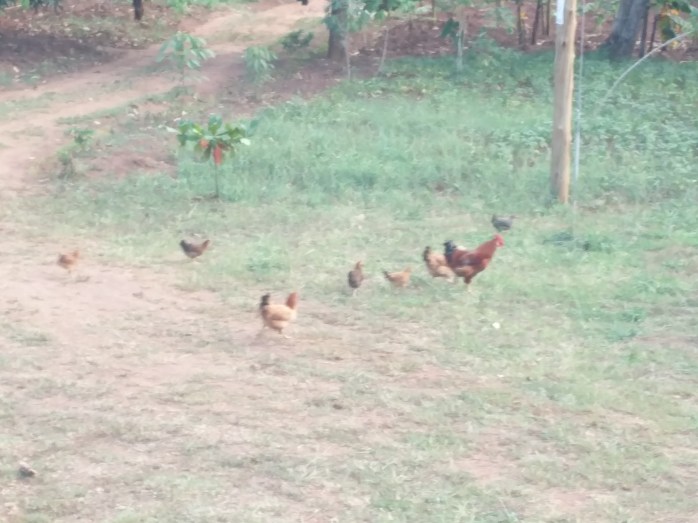
Happily walking around with the main cock

2019-04-06 17.59.51

Chicken house from locally made materials and frugal designs

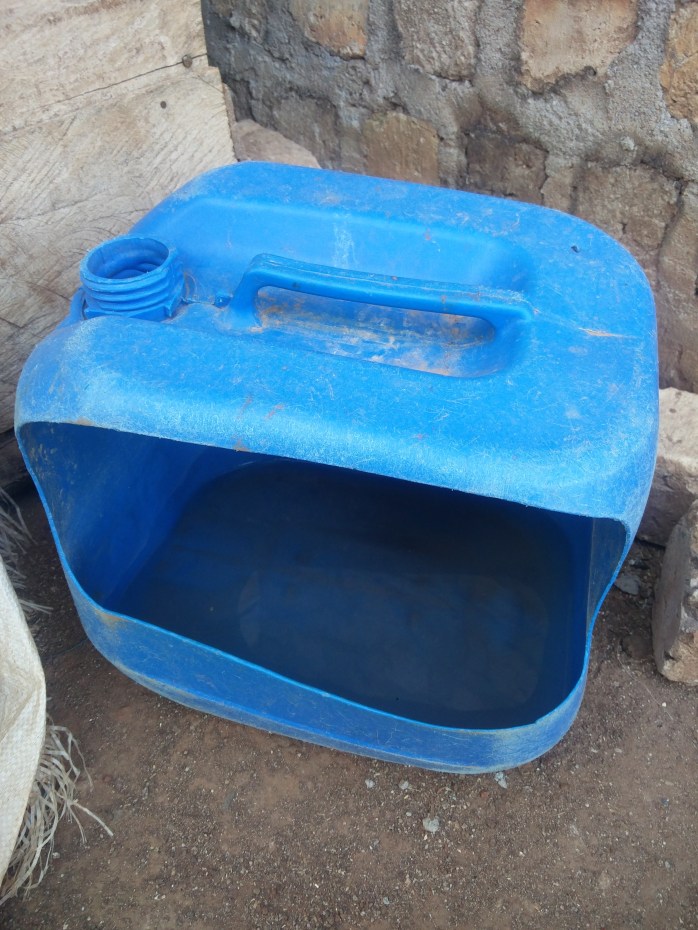
2019-04-06 17.59.11

Drinker from jerrycan leveraged from commercial deep litter operations

2019-04-06 17.59.17

Locally made feeder usually used in deep litter

This Twitter thread covers similar ground for the construction of the house and how the flock is proceeding https://twitter.com/kungufarm/status/1080144748252418048?s=20

Share this:

  • Click to share on X (Opens in new window) X
  • Click to share on Facebook (Opens in new window) Facebook
Like Loading...
agribusiness business models livestock poultry chickseggsfarm recordspoultry Leave a comment
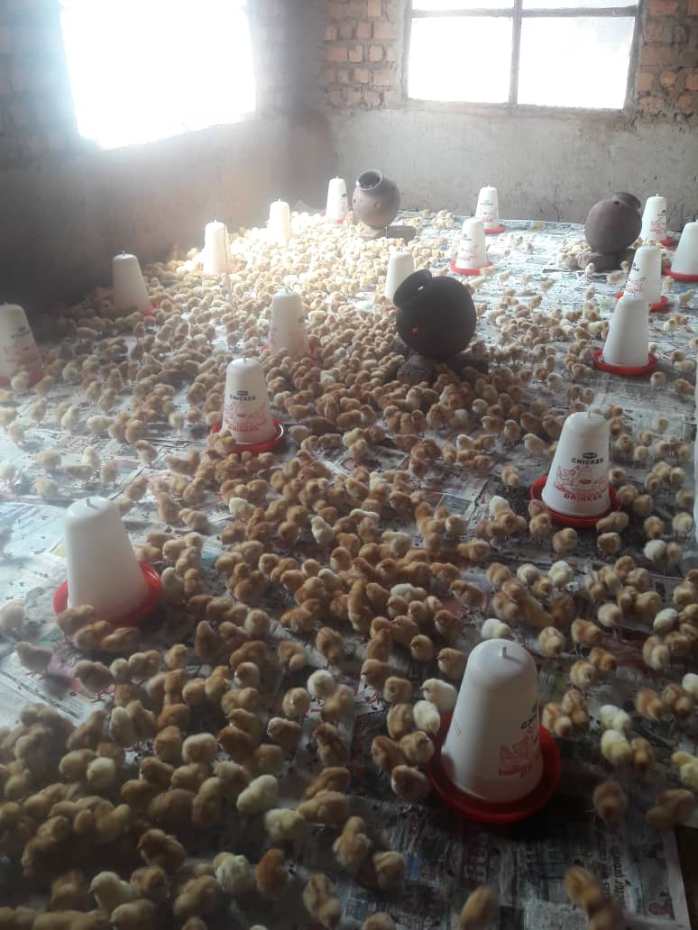
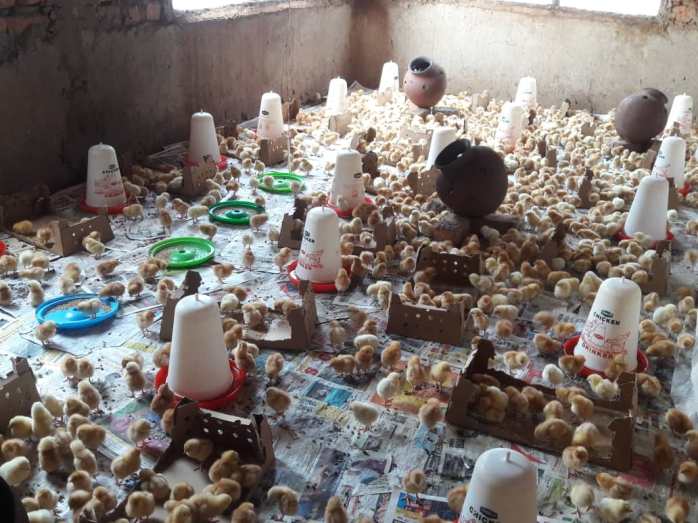
Brooder - view 2

New Flock Brooder – 7 day status update

August 15, 2018 by ssmusoke

The babies are 1 week old just double checking statistics:

  1. Day old
    • Target weight: 35g to 40g
    • Average weight (sample of 100 birds): 38g
  2. 7 days
    • Target weight: 64g to 67g
    • Average weight (sample of 100 birds): 66g
  3. Target date of first egg: December 11, 2018

We are within the breeder’s recommended weight range, so is a good start.

The temperatures are generally warm during the day so no pots for additional heat till 8pm when it starts getting cooler.

The first Newcastle booster dose was also given today via a drop in the eye, we stick to the vaccination schedules like clockwork.

Brooder - view 1

Brooder – view 1

Brooder - view 2

Brooder – view 2

Share this:

  • Click to share on X (Opens in new window) X
  • Click to share on Facebook (Opens in new window) Facebook
Like Loading...
agribusiness poultry brooder Leave a comment
Local technology for temparature control

August 2018 – New Flock

August 7, 2018 by ssmusoke

Exciting times, as we have just gotten a new flock of day-old-chicks from Asiima Agro Concern. One would assume that after 5.5 years in the poultry business, this is normal but we are excited as we have gotten the rythmn for raising these birds.

A picture is always worth a thousand words

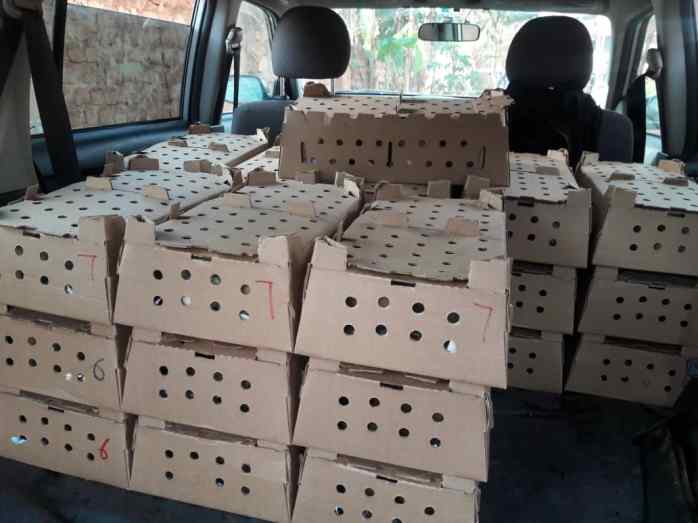
Transport to a new home

Transport to a new home

Now in brooder before unpacking

Now in brooder before unpacking

Running around in their new home

Running around in their new home

All active and ready

All active and ready

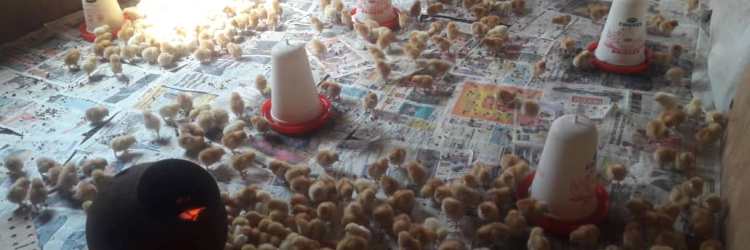
Local technology for temparature control

Local technology for temperature control

VID-20180807-WA0035.mp4

VID-20180807-WA0035.mp4

Share this:

  • Click to share on X (Opens in new window) X
  • Click to share on Facebook (Opens in new window) Facebook
Like Loading...
livestock Leave a comment

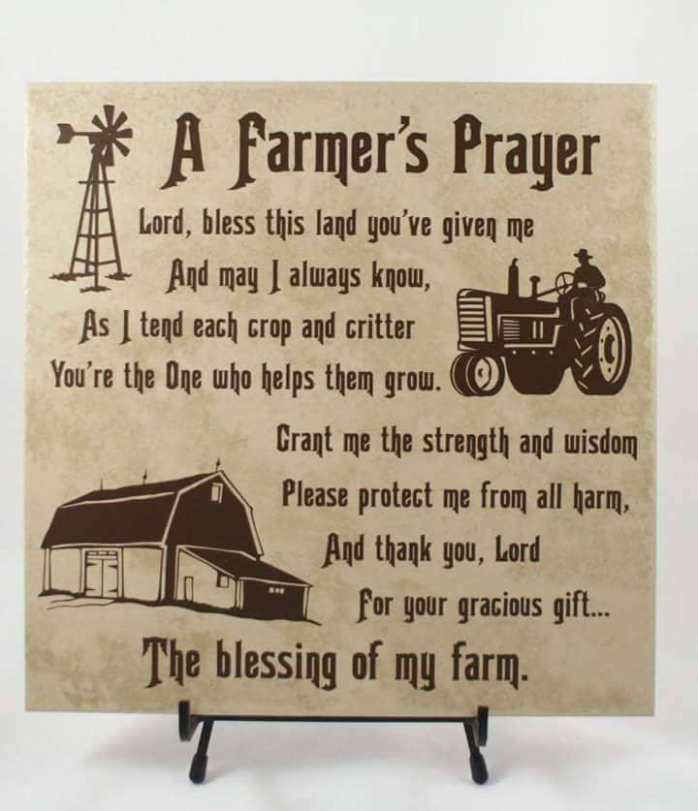
The Farmer’s Prayer

July 27, 2018 by ssmusoke

Lord, bless this land you’ve give me
May I always know,
As I tend each crop and critter
You’re the one who makes them grow.

Grant me the strength and wisdom
Please protect me from all harm,
And thank you, Lord
For your gracious gift…

The blessing of my farm

A Farmer's Prayer

Share this:

  • Click to share on X (Opens in new window) X
  • Click to share on Facebook (Opens in new window) Facebook
Like Loading...
agribusiness crops livestock Leave a comment

Agribusiness – 5 year Report Card

February 11, 2018 by ssmusoke

The year 2017, is basically gone. It has been a 5 year journey in agriculture starting with our first bath of day-old layer chicks on January 3, 2013. Having walked this journey half a decade, this is a chance to look back on the road passed see what lies head

Wins

  1. Paid off capital investment debt, so now all operations are self funded
  2. Layer production processes strengthened with current flock beating all metrics: time to lay –  17.5 weeks (1 week early), productivity (87%)
  3. Strengthened logistics support system which is the foundation of our business model – feed production is a completly outsourced service
  4. Supported the development of a Poultry Farm Calculator developed by Styx Technology Group

Learnings

  1. Management processes are key to production all the way from human resource management, records keeping,
  2. Revenue projections on paper never reflect on the ground reality
  3. Data is king – we collect, analyse and review operations data on a regular basis, to drive decision making. We have had instances where our thoughts are in one direction, but the data tells a different story. Numbers never lie
  4. Information is power – over time we have learnt to read detailed documentation, experiences from around the world, and scientific papers to get grounding in the business we are in
  5. Make business model decisions and stay firm until they are validated – unlike traditional knowledge and advice, we made a strategic to outsource feed mixing as we were ill equipped, did not have the knowledge, and time but invested time in building a strong relationship with our feed supplier. This paid off as we can focus on core skills – production process improvements and increasing sales revenue
  6. Capital investment has to be strategic – the dream of many poultry farmers is to have high levels of automation such cages, automated drinkers which reduce human intervention, but require 100% more capital.
  7. Human resource management – this is a make or break area within any enterprise. We use semi-skilled labor, leveraging modern HR management practices for performance management, loyalty building to retain staff.
  8. Process, process, process – this is the foundation of decision making, and we keep the decisions to a minimum and explain why. Once this is well understood we have only had to tweak and never change a process.

Failures/Shortcomings

  1. Expansion into fish farming which as expected was a huge learning curve with inadequate local knowledge, so have to grow own knowledge
  2. Building a double storied structure – this was a consequence of having limited space with no options for expansion, however the capital would have been best invested in expansion elsewhere.

Look Ahead

  1. Formalize the paper based processed into clear documentation to help other farmers grow and develop
  2. Leverage partnership with Styx Technology Group to develop an end-to-end Poultry Management System for layers with analytics and business-level metrics
  3. Expand the farm operations to 10k birds which will provide economies of scale that drive profitability
  4. Expand into local indeginous chicken breeds with a different business model that suits them
  5. Vertical integration of dairy, lusuku and indeginous poultry on a single operation location


Share this:

  • Click to share on X (Opens in new window) X
  • Click to share on Facebook (Opens in new window) Facebook
Like Loading...
agribusiness poultry Leave a comment

First harvest from Lusuku

February 10, 2017 by ssmusoke

An exciting day today February 10, 2017 when we harvested the first four (4) bunches of matooke (mpologoma) and cassava from our lusuku. Onto a market free feeding frenzy

Share this:

  • Click to share on X (Opens in new window) X
  • Click to share on Facebook (Opens in new window) Facebook
Like Loading...
crops lusuku Leave a comment

January 2017 – Recirculating Aquaculture Setup Progress Report 

February 8, 2017 by ssmusoke

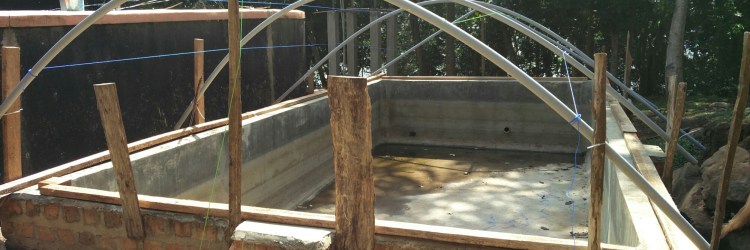
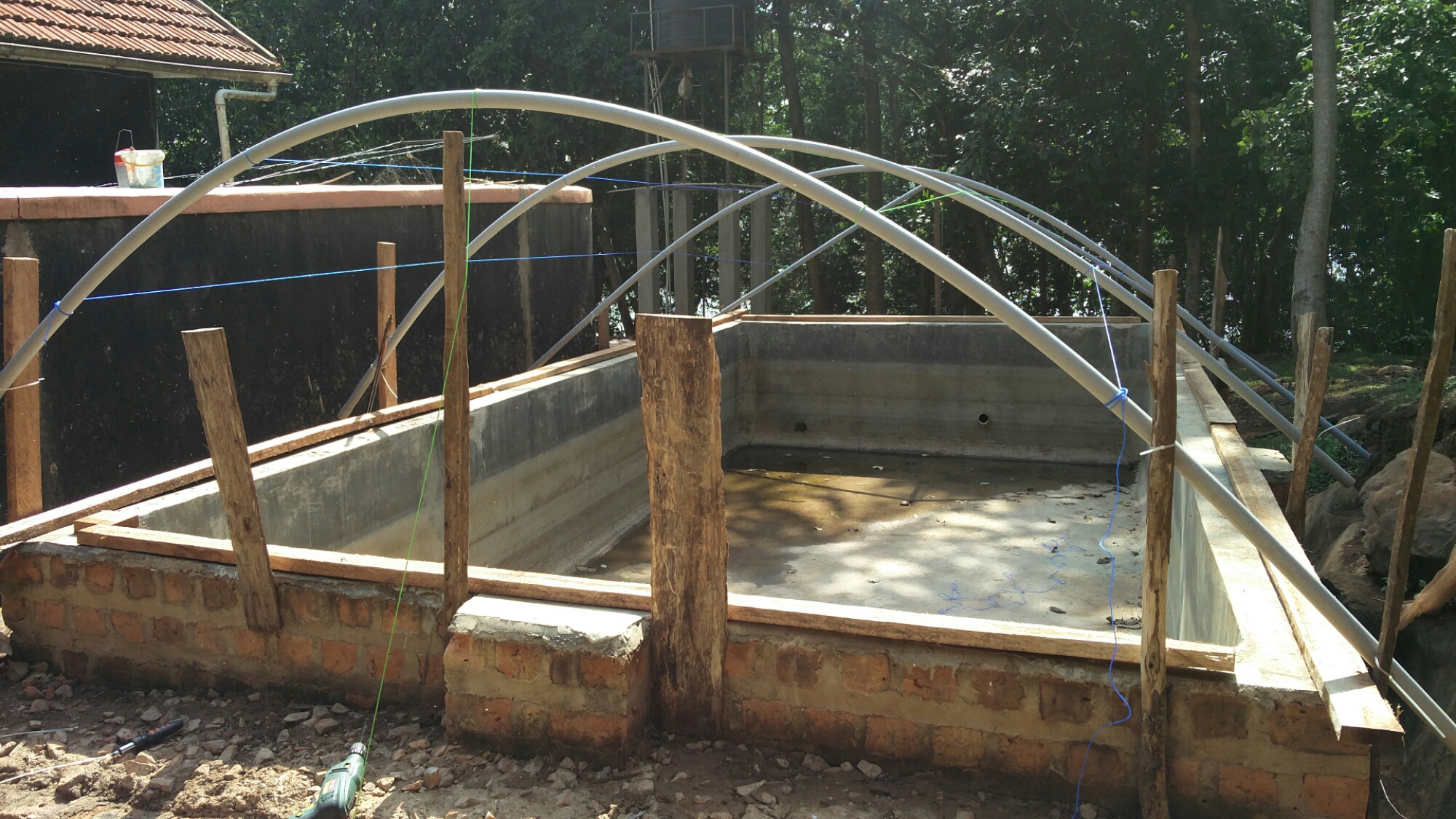
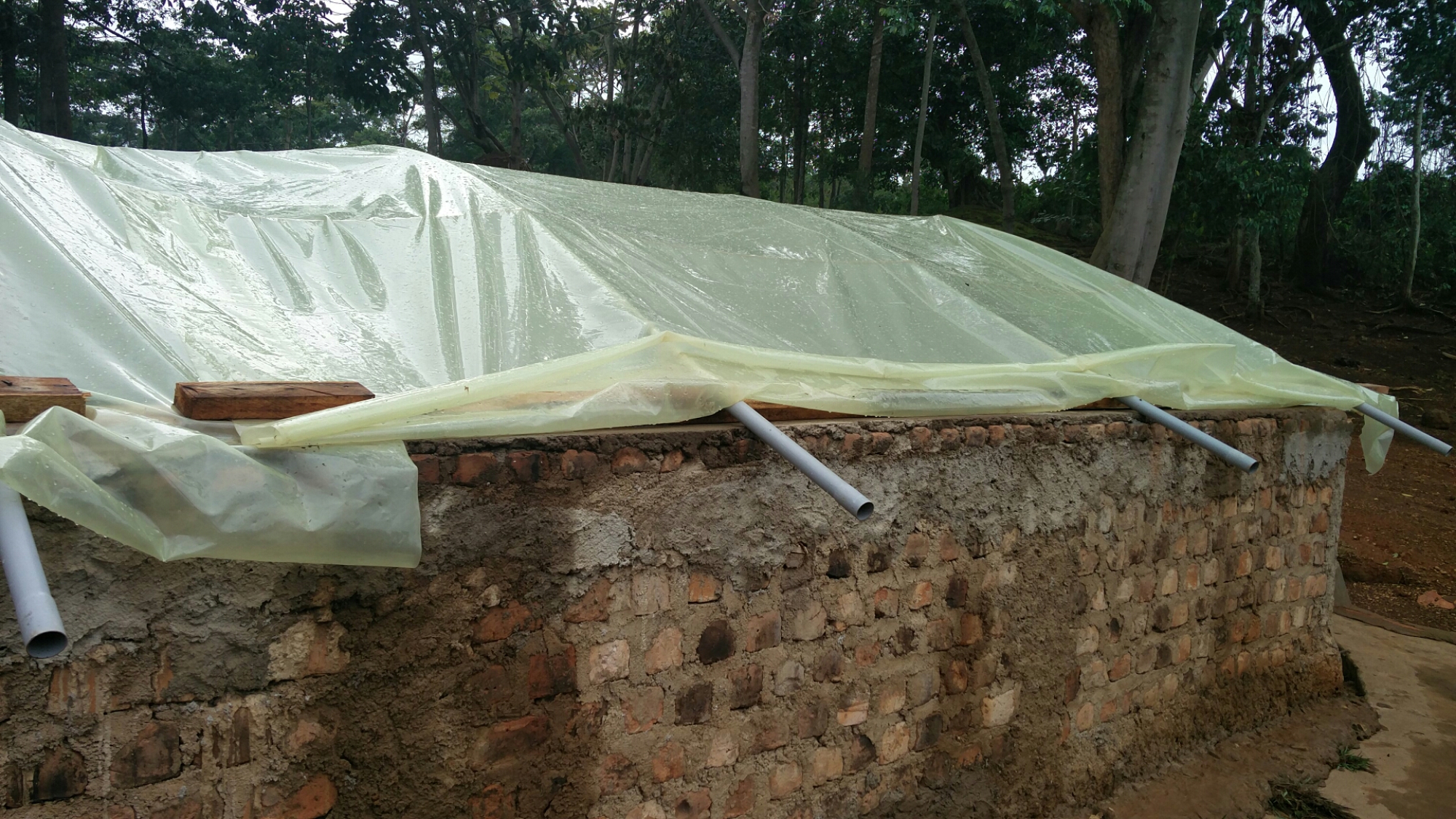
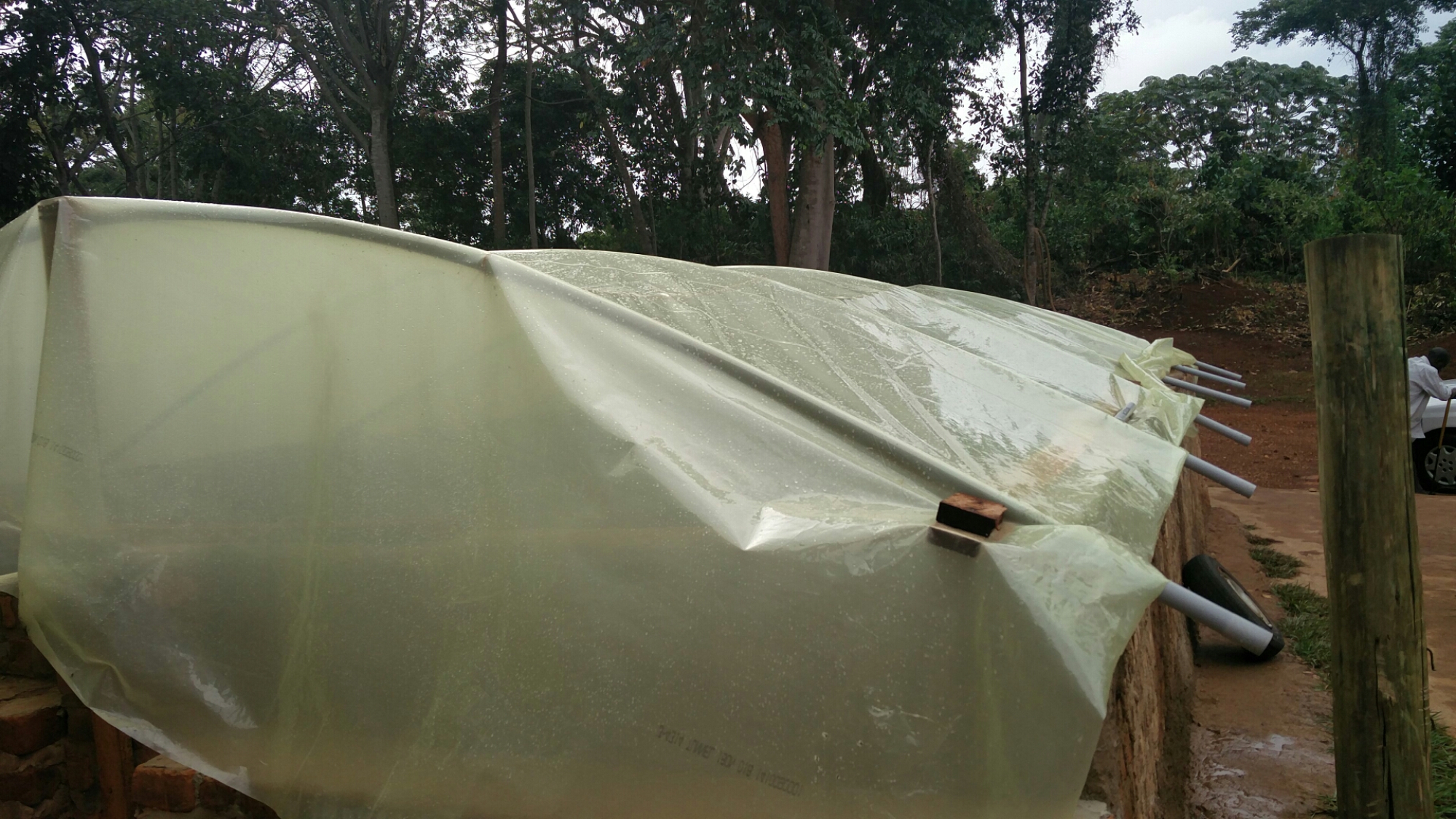
We have been working on setting up a recirculating aquaculture system to support tilapia farming, and currently we have been able to get a greenhouse like effect using a mix of wood panels with plastic pipes to get the warm environments. Next is to get pumps circulating the water and the filtration – both solid and bio-filters running before bringing the next batch of fry probably in March 2017.


Share this:

  • Click to share on X (Opens in new window) X
  • Click to share on Facebook (Opens in new window) Facebook
Like Loading...
fish livestock 1 Comment

The first bunches from lusuku

January 16, 2017 by ssmusoke

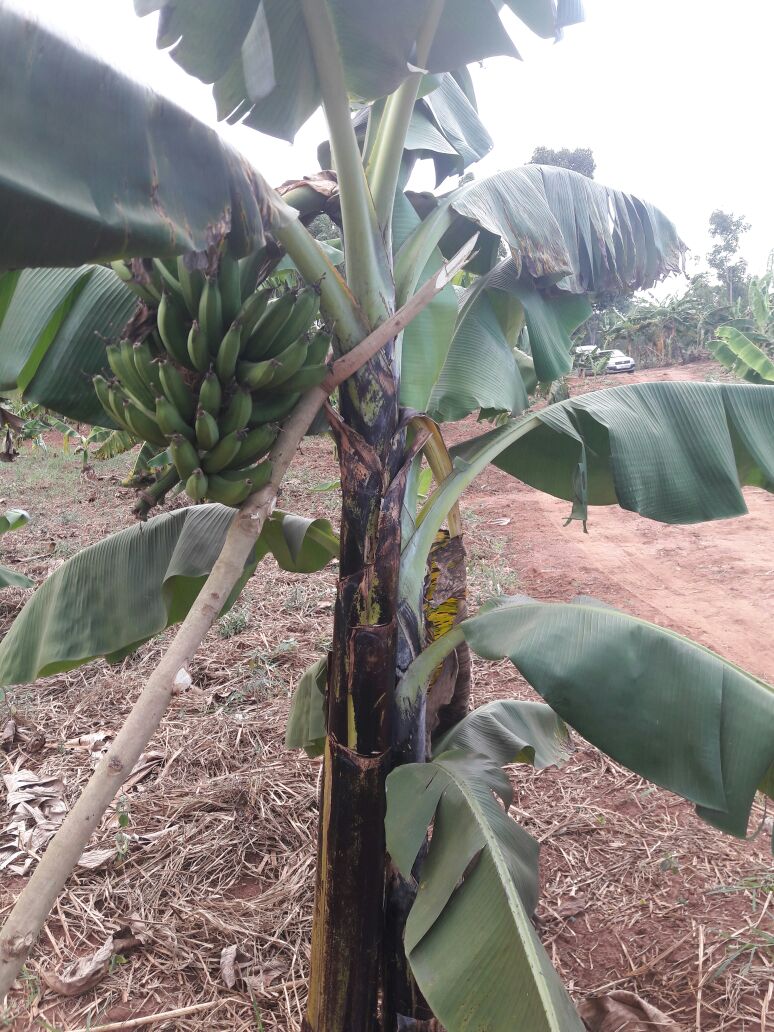
An exciting time as we start seeing bunches from the banana plantation in the heat of January a year since the first stool was planted

Share this:

  • Click to share on X (Opens in new window) X
  • Click to share on Facebook (Opens in new window) Facebook
Like Loading...
crops lusuku Leave a comment

Mulching lusuku 

November 11, 2016 by ssmusoke

Some of the key challenges for a lusuku are weed manageent, maintaining the fertility of the soils plus dealing with droughts especially with the unpredictable rains currently being experienced around the country.

Mulching provides a natural and organic measure of combatting all the challenges above but with its own constraint of finding suitable plant material in appreciable quantities to provide an adequate layer. Our drive to focus on staying away from chemical fertilizers and herbicides/pesticides is a further driver for our push to mulching.

What we have done:

  1. Provided 3 feet separation from the banana stools to the mulch
  2. Addition of ash (from regular charcoal based cooking) in the space without mulch to control nematodes and other pests
  3. Cutting off the dried out leaves to provide additional plant material for the mulch

Just before the next rains in March 2017, we shall look to add cattle and goat dung for manure.

Spacing for mulch around stool

Spacing for mulch around stool

Mulch view 1

Mulch view 1

Mulch view 2

Mulch view 2

Mulch view 3

Mulch view 3

Mulch view 4

Mulch view 4

Share this:

  • Click to share on X (Opens in new window) X
  • Click to share on Facebook (Opens in new window) Facebook
Like Loading...
agribusiness crops lusuku lusuku Leave a comment

Post navigation

← Older posts
Newer posts →

Get In Touch With Us

P. O. Box 8563 Kampala, Uganda
Email: kungufarm at gmail dot com

Recent Posts

  • PoulTech – Digital Poultry Farm Management Tools
  • Disinfection and preparation of a poultry house before receiving new flocks
  • Building a Chicken House – Experience
  • 2024 – The year Local Chicken comes mainstream
  • How do I safely add local chicken from un-trusted sources to my home farm flock

Enter your email address to follow this blog and receive notifications of new posts by email.

Join 54 other subscribers
Create a free website or blog at WordPress.com.
A Ugandan Farmer
Blog at WordPress.com.
Privacy & Cookies: This site uses cookies. By continuing to use this website, you agree to their use.
To find out more, including how to control cookies, see here: Cookie Policy
  • Subscribe Subscribed
    • A Ugandan Farmer
    • Join 54 other subscribers
    • Already have a WordPress.com account? Log in now.
    • A Ugandan Farmer
    • Subscribe Subscribed
    • Sign up
    • Log in
    • Report this content
    • View site in Reader
    • Manage subscriptions
    • Collapse this bar
 

Loading Comments...
 

You must be logged in to post a comment.

    %d